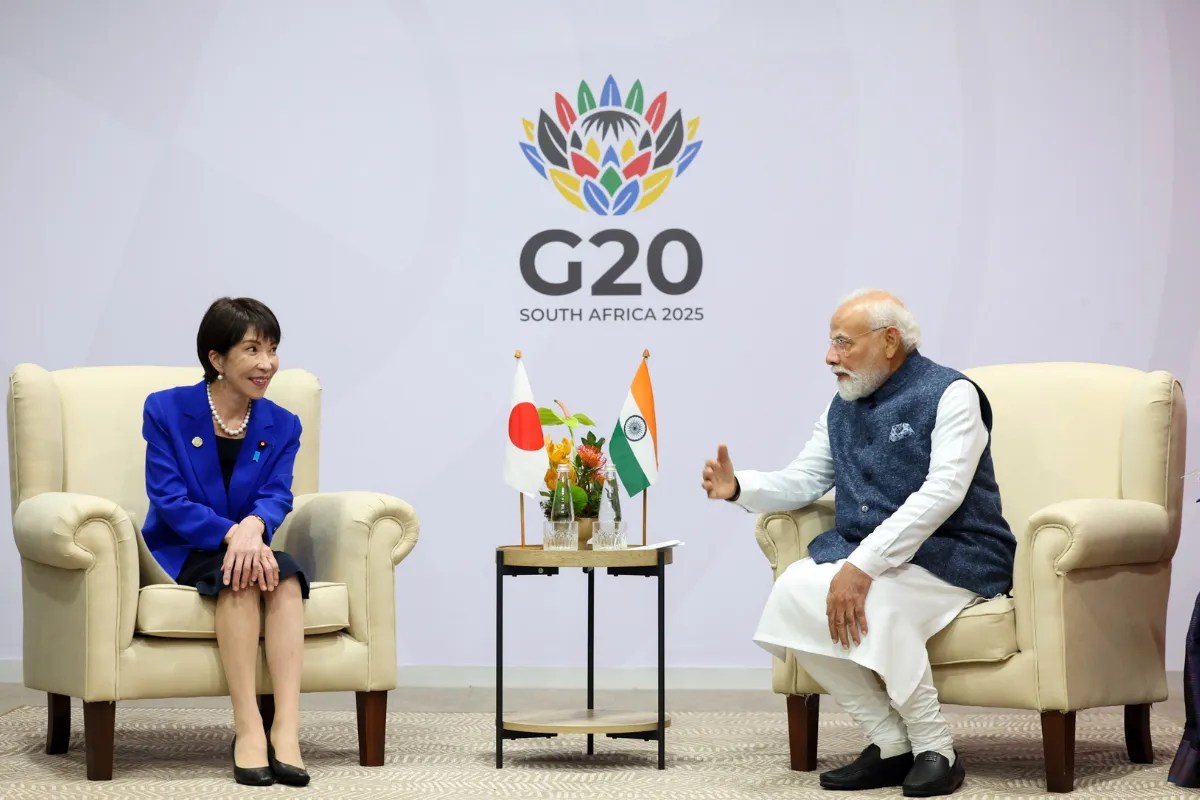
Japan's first female Prime Minister, Sanae Takaichi, is landing in India on July 1. This isn't just another routine diplomatic meet-and-greet. It's her first official trip to New Delhi since taking office last October. With a massive delegation of 50 top Japanese business leaders trailing her, the stakes are incredibly high.
Initially, the plan was to host this annual summit in Guwahati. Moving the venue to Assam would have carried massive symbolic weight for Japan’s involvement in India’s Northeast. But politics in Tokyo moves fast. Due to a tight parliamentary schedule and major logistical hurdles, the summit shifted to New Delhi at the last minute. Don't let the venue change fool you into thinking the momentum is slowing down. The real meat of this trip lies in hard-nosed economic security and defense strategy.
The Abe Legacy Driving the Summit
Takaichi isn't a typical bureaucrat. She's a staunch conservative and was a direct protégé of the late Shinzo Abe. Abe was the architect of the modern India-Japan relationship, famously dreaming up the concept of a free and open Indo-Pacific. Takaichi is here to finish what her mentor started.
Her arrival signals absolute continuity in Tokyo's foreign policy. New Delhi wants to see if she'll honor the massive 10 trillion yen investment target set during previous summits. Honestly, all signs point to yes. Her political survival back home rests on proving she can secure Japan's economic interests abroad while standing up to regional bullies.
Beyond the Handshakes and Photo Ops
The real action won't happen in front of the cameras. It'll happen behind closed doors where bureaucrats hammer out supply chain deals. This visit focuses heavily on reducing dependency on China.
Here are the core areas where Modi and Takaichi are expected to lock down concrete deals.
- Critical Minerals and Semiconductors
Japan wants to diversify its tech manufacturing away from Beijing's grip. India has the workforce. Expect deep discussions on setting up secure chip supply chains. - The Bullet Train Project
The Mumbai-Ahmedabad high-speed railway has faced endless delays. Takaichi wants this Japanese-backed megaproject back on a strict timeline. - Defense Cooperation
Both nations face distinct maritime threats. Takaichi recently caused a stir in Beijing by suggesting Japan might deploy forces if Taiwan is attacked. Her hawkish stance aligns perfectly with India's need for strong naval partners in the Indian Ocean.
Why the Guwahati Cancellation Actually Matters
Losing Guwahati as a host city is a bit of a bummer. Japan remains the only foreign country allowed to invest freely in India's strategic, border-adjacent northeastern states. Tokyo has already pumped over 1,600 crore rupees into overseas development assistance there.
Abe's planned 2019 visit to Assam was cancelled due to local protests. Takaichi's team desperately wanted to make the Northeast trip happen this time around to signal long-term commitment. While a tight Diet session in Tokyo kept her grounded in the capital, the focus on the region hasn't evaporated. The business leaders traveling with her, including executives from Toyota Tsusho and Suzuki Motor, still have their eyes fixed on expanding Indian manufacturing footprints.
Reading Between the Geopolitical Lines
The global order looks shaky. With volatile tariff policies shaking up global trade, both nations realize they need each other more than ever. India has recently shown signs of trying to cool down border tensions with China. Japan, on the other hand, is doubling down on its security alliances.
Takaichi proved her diplomatic mettle at the recent G7 summit in France. She didn't shout over people. Instead, she quietly worked the room to ensure Indo-Pacific maritime stability stayed on the global agenda. Now she's bringing that exact same practical, quiet diplomacy to New Delhi.
To make the most of this upcoming bilateral shift, businesses and policy analysts should watch the joint statements issued on July 3. Pay close attention to the specific wording around defense technology transfers and rare earth minerals. If those agreements look concrete, we are looking at a brand new era for Asian manufacturing power dynamics.


