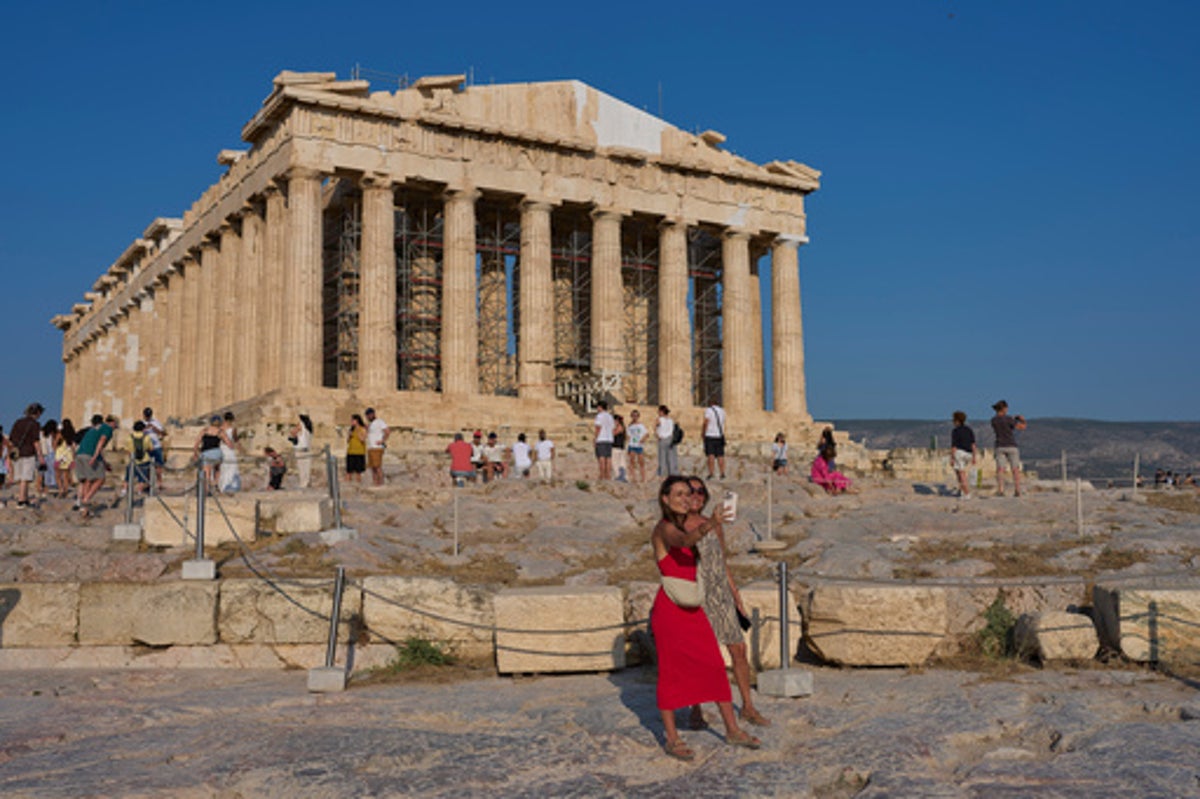
A Tuesday morning stroll near the base of the Parthenon turned terrifying when a 60-year-old man attacked two Greek American tourists with a knife on Dionysiou Areopagitou. The incident took place right near the entrance to the Acropolis Museum shortly after 8 a.m.—a peak hour for visitors trying to beat the summer heatwave. The male tourist suffered a severe arm injury that required a tourniquet, while the female victim sustained minor injuries to her leg.
Greek police detained the suspect at the scene, stating he appears to suffer from severe psychiatric issues and had been brandishing a blade at pedestrians shortly before the assault. While headline-grabbing stories like this make travelers second-guess their itineraries, context matters when you're planning a trip to Southern Europe. Violent crime in Athens remains remarkably low compared to most Western capitals, but navigating crowded tourist hubs requires a clear head rather than panic.
Understanding Violent Crime Rates in Central Athens
Random street attacks are rare across Greece. Greece consistently ranks among the safest nations in Europe regarding violent crime, placing far below cities like London, Paris, or Chicago in homicide and armed assault statistics.
When violence happens around major Greek landmarks, it almost always involves isolated mental health crises or local disputes rather than targeted, organized violence against foreign visitors. Site operations at the Acropolis and the Acropolis Museum didn't even pause following the morning incident. Thousands of visitors continued passing through the turnstiles safely throughout the afternoon.
I've walked that exact pedestrian boulevard dozens of times. Dionysiou Areopagitou is wide, lined with trees, highly visible, and generally packed with private security, tourist police, and local shopkeepers. That doesn't make an isolated violent act impossible—as Tuesday proved—but it means the systemic danger to a standard visitor is extremely low.
Practical Safety Steps for Visiting the Acropolis Complex
Instead of canceling your flight or hiding in your hotel room, adjust your situational awareness. Staying safe around major historic sites comes down to simple, habits rather than paranoia.
- Pay attention to public behavior: The suspect in the recent attack was seen yelling and acting erratically before the incident occurred. If you see someone creating a disturbance or pacing aggressively, step into a nearby cafe or museum lobby right away.
- Know the local emergency numbers: Call 112 for general European emergency services or 100 for the Greek Police. Save these in your phone before you leave your hotel.
- Keep your hands free: Holding iced coffee in one hand and taking selfies with the other leaves you completely flat-footed if you need to react. Keep your belongings secure in a crossbody bag and keep your head up.
- Stick to well-lit main thoroughfares at night: While Dionysiou Areopagitou remains safe after dark, quiet side streets winding up through the Anafiotika or Filopappou Hill areas can get deserted quickly late at night.
Dealing with Real Threats: Summer Heat and Scams
Honestly, violent crime isn't what ruins trips to the Parthenon. Heat exhaustion and petty theft are the actual risks you'll encounter on a daily basis.
Athens frequently hits temperatures above 38°C (100°F) during peak season. The exposed marble on the Acropolis hill reflects that heat right back at you, turning the site into an oven by 11 a.m. Carry at least two liters of water, wear grips-heavy footwear to handle slick 2,500-year-old marble, and book the earliest possible ticket slot at 8:00 a.m.
Pickpocketing remains common in transit bottlenecks, especially around the Monastiraki and Omonia metro stops. Keep your wallet in a front pocket, don't leave phones resting on outdoor cafe tables, and ignore strangers offering you free bracelets or asking for signatures on petitions.
Keep your travel insurance up to date, save emergency contacts, and hit the historic sites early in the morning to beat both the crowds and the blistering afternoon sun.