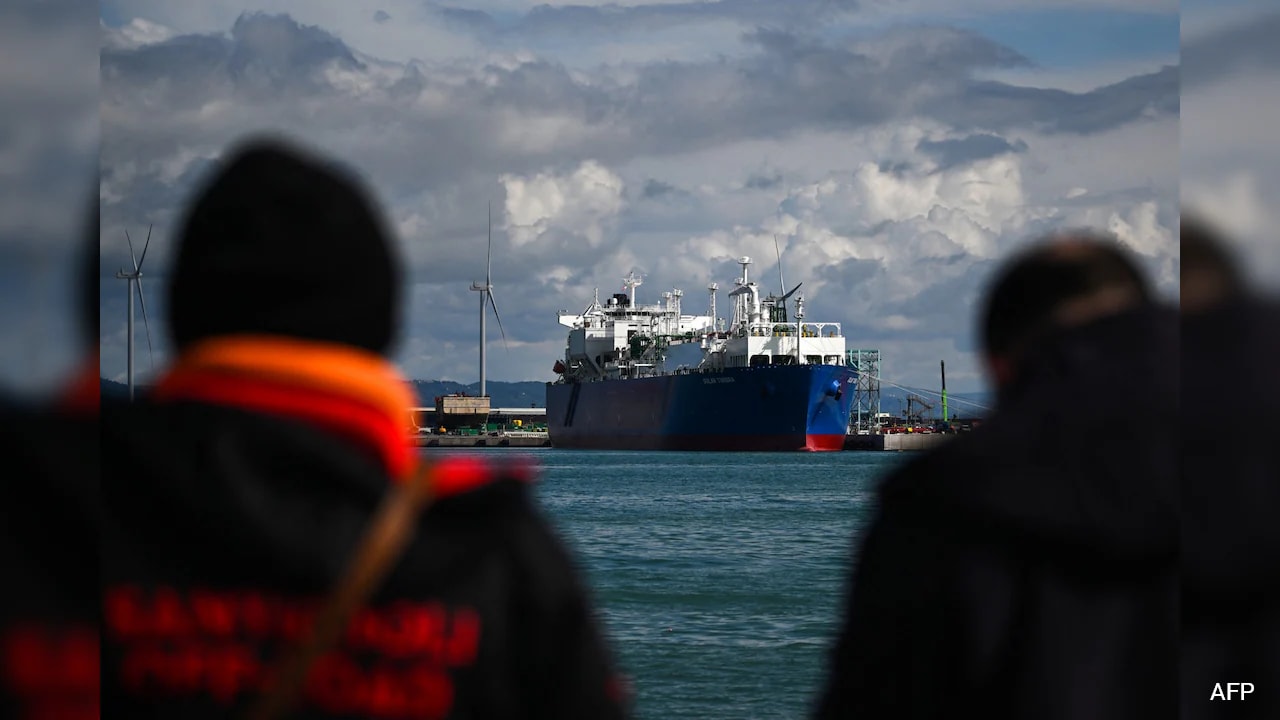
Everybody loves a good pirate story. The media feeds us high-octane imagery of rusted tankers slipping through international waters under the cover of night, turning off transponders, swapping flags like spy novels, and single-handedly outsmarting Western trade restrictions.
It makes for great television. It also makes for terrible economics.
The lazy consensus dominating international headlines argues that Moscow built a massive phantom armada to effectively bypass European Union trade limitations, securing a permanent backdoor for energy cash flow. Analysts panic over environmental disasters waiting to happen. Regulators draft tighter maritime compliance checks. Everyone treats this fleet as an unyielding engine of Russian economic defiance.
They are missing the entire point.
This is not a display of imperial strength. It is a massive, bleeding liability. I have watched supply chains break under regulatory pressure for years, and when an economy has to resort to aging hulls, inflated insurance scams, and ship-to-ship transfers in choppy seas, that is not a masterstroke. That is a panic room.
The True Cost of Phantom Logistics
Let us strip away the thriller-novel aesthetic and look at the ledger.
When you cannot access mainstream maritime insurance from London or Oslo, you do not magically operate outside the rules of risk. You simply internalize catastrophic exposure. Russia is forced to rely on cobbled-together domestic insurers with zero global backing. If a single one of these aging vessels suffers a major spill in the Baltic or the Black Sea, the financial shockwave will obliterate the very profit margins keeping these voyages afloat.
Furthermore, the operational friction is staggering. Moving oil through a shadow network requires layers of middlemen, shell companies in obscure jurisdictions, and exorbitant markups just to keep the rust buckets moving. Every single hand that touches the cargo takes a cut.
"An underground supply chain is never efficient. It is a tax on weakness."
Compare this to the friction-free efficiency of a modern, standardized global energy market. Before these restrictions, crude moved smoothly from port to refinery with predictable financing and minimal demurrage costs. Now, tankers sit idle for weeks off-shore, waiting for clandestine transfers. Refiners in Asia dictate massive discounts because they know Moscow has zero leverage. They are buying distress assets at a garage-sale price.
Dismantling the Myth of Inviolate Secrecy
People ask how the West can possibly stop a fleet that refuses to turn on its Automatic Identification System. The question itself falls for the illusion.
You do not need to board every ship on the high seas to choke out a shadow network. You target the bottlenecks. Tankers need ports. They need dry docks for maintenance. They need fuel, provisions, and clearance certificates. When maritime authorities start squeezing the specific choke points where these aging vessels must dock for repairs, the fleet ages out of existence in real time.
A ship built thirty years ago cannot run forever without structural overhauls. Once classification societies refuse to certify them and legitimate ports ban them from entry, they become expensive scrap metal floating on borrowed time.
The Western enforcement mechanism is shifting from chasing phantoms on the open ocean to auditing the financial plumbing that funds them. Follow the wire transfers, crack down on fraudulent flag registries, and watch the logistics collapse under their own weight.
The Counter-Intuitive Reality
If you are betting on the shadow armada to secure long-term geopolitical dominance, you are betting against the fundamental laws of commerce.
Complexity breeds failure. By forcing trade into the shadows, the architecture of energy export becomes fragile. A normal market optimizes for cost and speed. A shadow market optimizes for survival, which means sacrificing both.
Moscow is not projecting power across the waves. It is plugging holes in a sinking dyke with chewing gum. The moment a cleaner, cheaper alternative emerges elsewhere, or the friction of maintaining this ghost fleet eats the last drop of profit, the entire structure caves in.
Stop looking at the phantom ships as a threat. Look at them for what they really are: expensive, desperate proof of a shrinking footprint.