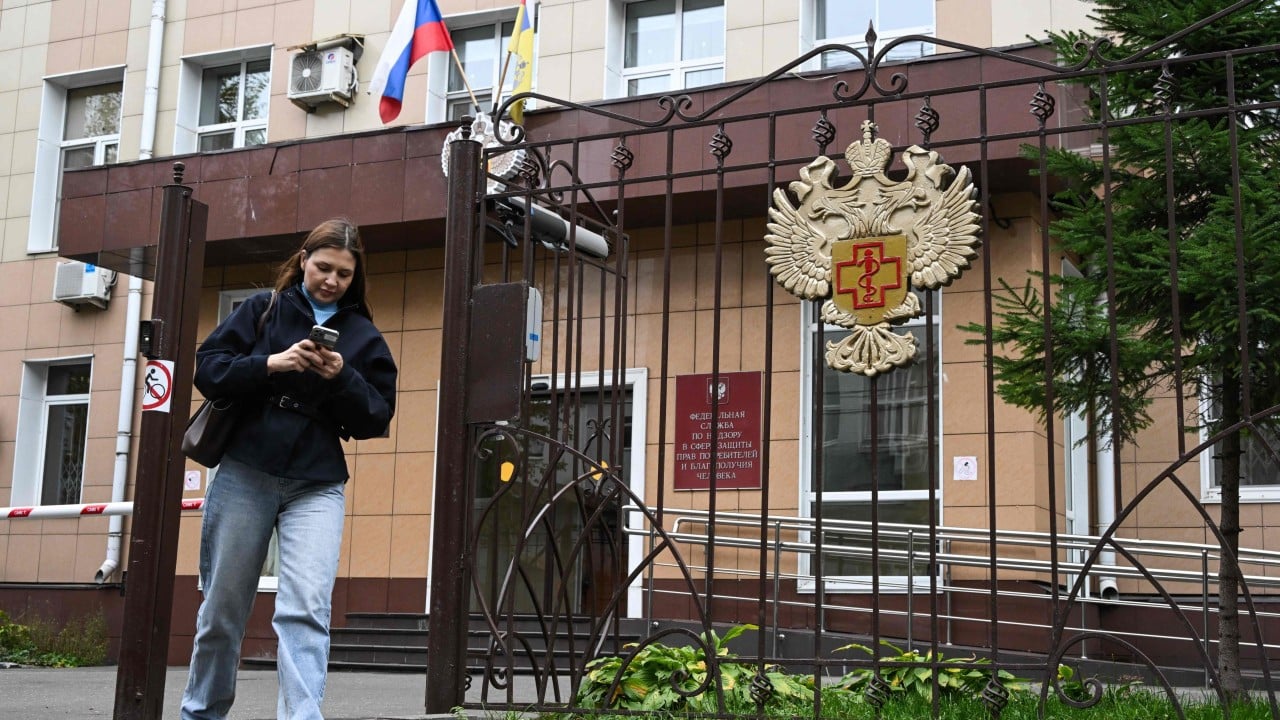
When a government quietly rolls back biosecurity oversight on high-consequence pathogens, the rest of the world has every right to look up and pay attention. News that Russia decided to ease certain restrictions surrounding plague laboratory measures sent ripples through global health monitoring networks. Headlines popped up overnight, sparking an immediate debate in biosecurity circles. Should China panic? Should Western public health agencies brace for impact? Or is this just bureaucratic shuffling dressed up as a crisis?
Let us cut through the noise. The Yersinia pestis bacterium isn't just another flu strain. It wiped out vast populations in medieval Europe, and it remains a Tier 1 select agent in laboratories across the globe for a reason. When regulations tighten, transparency and containment are usually the goal. When those rules loosen, cynicism and suspicion take over. Let's break down what actually happened, why international observers are sweating, and what this means for global public health security.
The Real Risk Behind Yersinia Pestis Regulations
We need to talk about what plague research actually entails. It is not some dusty relic of the fourteenth century. Modern laboratories study Yersinia pestis to understand antibiotic resistance vectors, aerosol transmission potential, and vaccine development. It is dangerous work. Every single protocol change matters.
When oversight measures get lifted or downgraded, the margin for human error shrinks dramatically. You aren't just dealing with a pathogen that causes swollen lymph nodes. Pneumonic plague spreads through respiratory droplets and boasts a near-fatal trajectory if treatment doesn't start within twenty-four hours.
Here is what most casual news reports miss. Bureaucratic rollbacks rarely happen in a vacuum. Governments usually alter laboratory safety frameworks for one of two reasons: either compliance costs have choked domestic research pipelines, or resources are being reallocated toward alternative state priorities. Neither explanation offers much comfort to neighboring states or international watchdogs. If safety layers vanish, accidental releases or careless handling become real statistical threats rather than Hollywood fiction.
Why China and Border Neighbors Are Watching Closely
Geography dictates anxiety. Russia shares a massive, porous land border with China and Central Asian nations. Natural reservoirs of wild rodents carry plague bacteria across the Eurasian steppe—a phenomenon known as enzootic plague foci. Marmots, ground squirrels, and fleas act as natural vectors in regions like Inner Mongolia and parts of Siberia.
When you combine natural reservoirs with relaxed laboratory containment controls nearby, the epidemiological risk profile changes overnight. Beijing has historically maintained strict internal lockdowns and aggressive monitoring protocols whenever local plague cases pop up in pastoral communities. An institutional shift on the other side of the border complicates those containment strategies.
Communication breakdowns make things worse. Trust between Russian regulatory bodies and international health agencies sits at historic lows. Without open data sharing, genomic sequencing updates, and transparent joint inspections, neighboring countries have to plan for worst-case scenarios based on guesswork and satellite imagery. That is no way to run global health security.
The Global Biosecurity Blind Spot
We live in an interconnected ecosystem where a localized lab leak or containment failure doesn't stay local. Remember how quickly novel respiratory pathogens cross international flight corridors. While plague does not spread as effortlessly as airborne viruses, modern transit networks mean a localized outbreak can turn into an international incident before standard epidemiological surveillance catches up.
Global health organizations face a massive dilemma here. The World Health Organization relies heavily on voluntary compliance and transparent state reporting. If a major nuclear-armed state decides to alter its domestic biorisk management framework, international bodies possess very few diplomatic levers to force a rollback. Sanctions target economics, not biosafety tiers.
This brings us to a harsh reality. The global biosecurity architecture is fragile. It depends entirely on mutual trust and a shared understanding that nobody benefits from an accidental pathogen release. Once that trust cracks, every regulatory adjustment looks like a deliberate provocation or dangerous negligence.
What Needs to Happen Next
Sitting back and hoping for the best has never worked in epidemiology. Public health ministries across Asia and Europe are currently reviewing their own border screening protocols and genomic surveillance libraries for vector-borne bacteria.
If you work in public health, biotech compliance, or international policy, you need to track these regulatory shifts closely. Demand better cross-border transparency from regional bodies. Support independent pathogen surveillance initiatives that monitor wild reservoirs independently of state-run laboratories.
The lifting of these plague lab measures might turn out to be a minor domestic administrative adjustment. Or it could be an early warning sign of eroding global biosecurity standards. Either way, complacency is the one luxury we cannot afford.