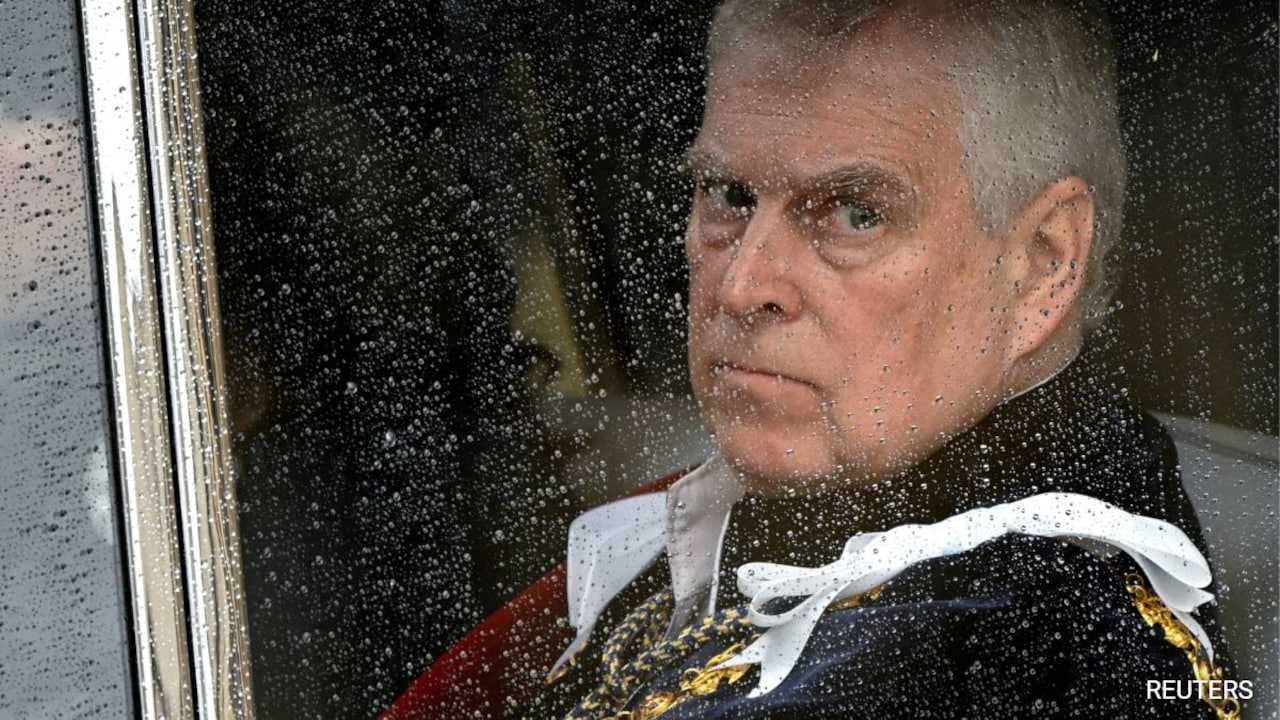
You probably think the latest royal financial mess is just about Andrew Mountbatten-Windsor pocketing extra cash from a few old cottages. It isn't. While the headline news focuses heavily on the disgraced former prince turning a slick profit on public land, the actual data shows a much wider system of cut-rate palace deals, discounted rents, and taxpayer-funded renovations benefiting family members who don't even work for the Crown.
The National Audit Office (NAO) just dropped a massive review on royal property arrangements. It's a rare, unvarnished look at the family finances, and frankly, it shows that the British public housing scheme for billionaires is alive and well.
The real problem here isn't just one rogue prince. It's how the entire system protects the wealth of non-working royals while the public is left guessing at the exact numbers.
The Royal Lodge Cash Machine
Let's look at what Andrew actually did. Back in 2003, he signed a 75-year lease on Royal Lodge, a sprawling 30-room mansion in Windsor Great Park. He paid a £1 million upfront premium and committed to spending £7.5 million on renovations. In exchange, his annual rent dropped to a symbolic token payment.
A "peppercorn rent" means he essentially lived there rent-free.
But the NAO report reveals his lease contained a highly lucrative clause. Andrew had the explicit right to sublet three cottages on the estate grounds. He used that right for over two decades, pocketing private rental income from those properties until he was forced out earlier this year.
Here's the kicker. The UK's top spending watchdog has absolutely no idea how much money he made.
"Three cottages on the Royal Lodge estate were . . . sublet with income generated from subletting payable to Andrew Mountbatten-Windsor," the NAO stated. "We do not know what rent was charged."
Think about that. Public property is being rented out for private profit, and the government auditors can't even get a look at the ledger. Critics like Norman Baker, a former government minister, suggest Andrew could have easily pulled in £30,000 a year for each cottage. Over twenty years, that adds up to millions of pounds going straight into his private pockets instead of returning to the Crown Estate to benefit the British taxpayer.
Insiders claim the rental income only covered staff costs and maintenance. But since the royal household refused to provide the actual financial agreements or repair bills to the auditors, we just have to take their word for it.
The Discounted Princesses and Palace Perks
If you think this behavior stops with Andrew, you're mistaken. The report shows a pattern of heavily adjusted housing costs for his daughters, Princess Beatrice and Princess Eugenie. Neither performs official royal duties. Both hold private corporate jobs. Yet, both live in historic royal palaces under highly favorable financial terms.
King Charles covers their rent using his private Duchy of Lancaster income, meaning public funds from the Sovereign Grant aren't directly hit. But the actual rent prices are heavily discounted below open market value.
- Princess Beatrice: Lives in a St. James's Palace apartment. Her rent is capped at just 68% of market value.
- Princess Eugenie: Lives in Ivy Cottage at Kensington Palace. Her rent is set at 64% of market value.
The justification for these discounts? Security. The Palace argues that because these residences sit behind strict security perimeters requiring vetting for all visitors, the pool of potential tenants is limited, which suppresses the rental value.
It's a convenient argument. In past years, their rent was slashed even lower, hitting a rock-bottom 50% of market value based on completely outdated property valuations. Meanwhile, both princesses own private luxury properties outside London, including a converted farmhouse near Blenheim Palace and a seaside estate in Portugal.
Shifting Leases and Luxury Upkeeps
The property web spins even wider when you look at the rest of the family. Prince Edward and Sophie, the Duke and Duchess of Edinburgh, enjoy an incredibly sweet deal at Bagshot Park in Surrey. They paid a £5 million premium for a massive 150-year lease back in 2007. They pay a peppercorn rent, and just like Andrew, they used their estate to pull in private income by commercially renting out their old stable complex up until 2020.
Then we have the Prince and Princess of Wales. William and Catherine pay a steep £307,200 annual rent for Forest Lodge in Windsor under a 20-year lease. That sounds fair until you read the fine print in the NAO report. Right before they moved in, the Crown Estate spent £396,993 on structural repairs, fixing up the main mansion, the grounds, and two on-site cottages. While the Palace states this is standard landlord duty, it shows the sheer volume of public cash constantly flowing to ensure royal properties stay immaculate.
What Happens Now
The public accounts committee is launching an official inquiry into these opaque living arrangements. The Crown Estate insists everything followed professional independent advice, and Buckingham Palace claims the report proves their commitment to transparency. But when the state’s own spending watchdog is blocked from seeing rental receipts, transparency is just a buzzword.
If you want to track where this story goes next, stop reading the vague lifestyle commentary and watch the upcoming parliamentary committee hearings. Pay attention to whether lawmakers force the disclosure of Andrew's private rental contracts. You should also watch the current condition assessment of Royal Lodge. Andrew is technically claiming a £301,967 payout for surrendering his lease early, but the Crown Estate is fighting to pay him nothing due to massive deferred maintenance left behind. Follow the committee updates directly through the UK Parliament public accounts portal to see if the public finally gets its money back.