The headlines treat every Saudi military escalation in Yemen as a sign of imminent breakthrough or total strategic panic. Analysts in Washington and Paris dust off tired playbooks about coalition offensives, aerial sorties, and high-stakes diplomacy, framing each operation as a desperate bid to crush the Houthi movement once and for all. That framework is dead wrong. It assumes Riyadh actually wants a decisive military victory.
Look closer at the mechanics of the conflict. A total military defeat of the Houthis sounds great in a press release, but it would hand Saudi Arabia a geopolitical nightmare: a fractured, ungovernable neighbor requiring hundreds of billions of dollars in reconstruction, infected by deep-seated tribal insurgencies, and sharing a porous southern border. Riyadh does not want to conquer northern Yemen. Riyadh wants containment, managed friction, and a permanent buffer zone that keeps Iranian influence at a simmer rather than a boil. Read more on a connected topic: this related article.
The Myth of the Decisive Campaign
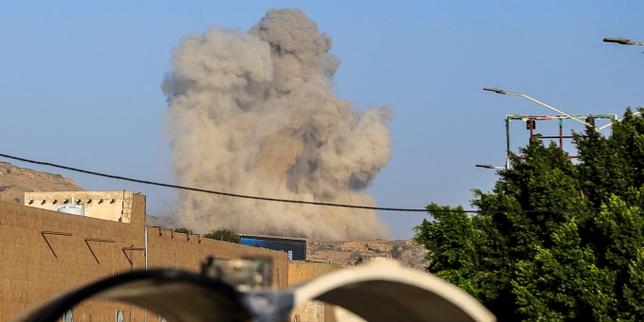
Every time military spokesmen announce a large-scale operation against Houthi strongholds, foreign policy pundits point to the tonnage of ordnance dropped or the repositioning of ground forces as proof of a shifting tide. This is theater for domestic consumption and international appeasement.
The structural reality of the Arabian Peninsula makes a clean military solution impossible. Mountainous terrain favors asymmetrical defense. Decades of arms smuggling across the Red Sea and the Omani border mean the Houthi leadership can absorb conventional airstrikes indefinitely while maintaining underground manufacturing networks for drones and ballistic missiles. More analysis by BBC News explores comparable perspectives on the subject.
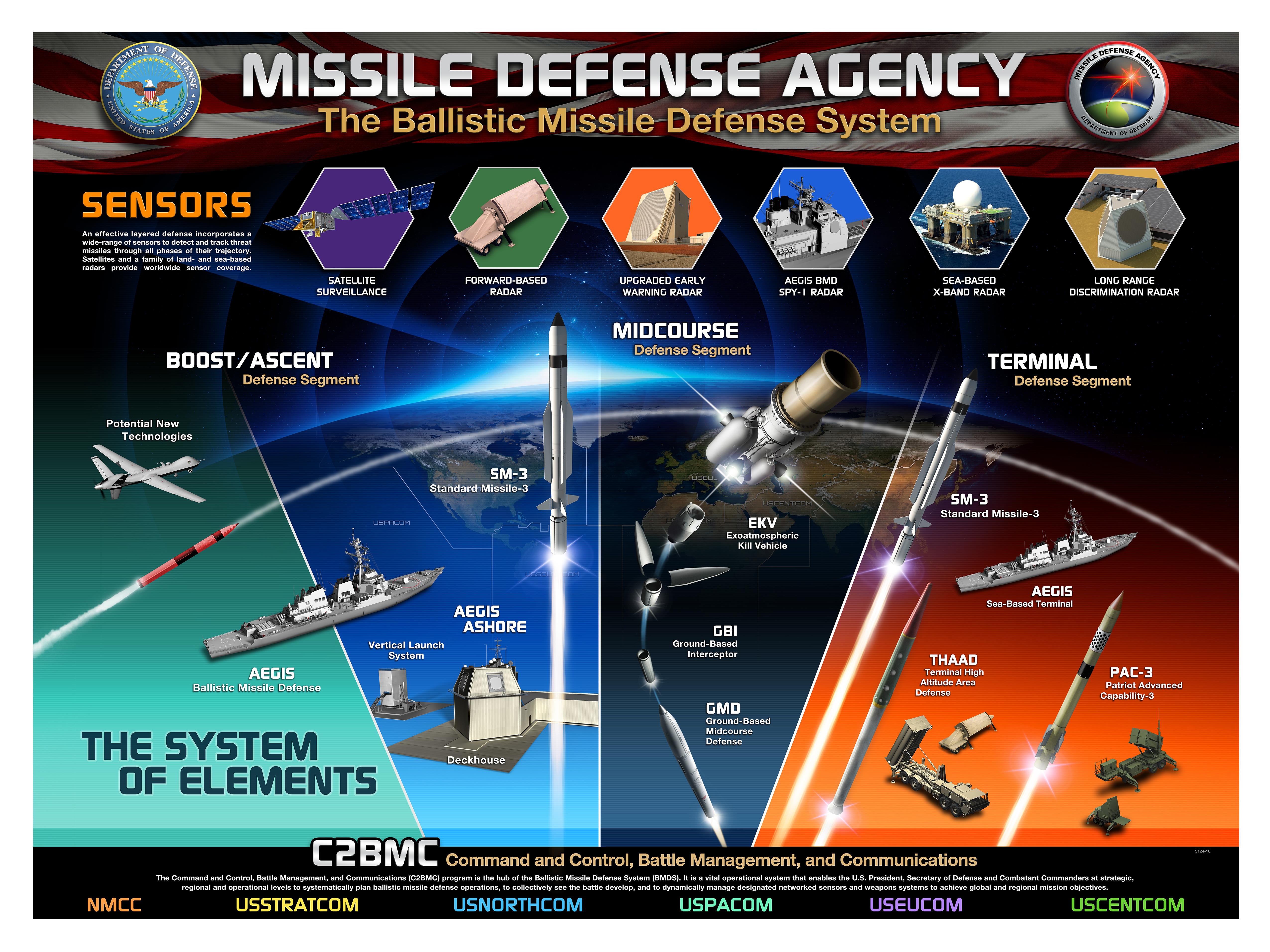
When military planners talk about breaking the stalemate through sheer force, they ignore the fundamental economics of attrition. The cost asymmetry is staggering. Firing multi-million-dollar interceptor missiles at cheap loitering munitions is a fiscal bleeding strategy designed to wear down Western patience, not Houthi resolve. Riyadh understands this math intimately. That is why large-scale operations are rarely about total victory; they are pressure valves. They signal displeasure to regional rivals, secure tactical breathing room around critical oil infrastructure, and posture strength while quiet backchannel diplomacy takes place in Omani or Qatari hotel rooms.
The Economic Trap of Total Victory
Imagine a scenario where a coalition ground offensive actually succeeds in pushing past Sanaa, dismantling the Houthi administrative apparatus, and installing a unified central government loyal to Riyadh.
Congratulations, you just inherited twenty million impoverished citizens, a devastated health infrastructure, a cholera-ridden water supply, and an economy running on zero reserves. The reconstruction bill would dwarf the entire budget of the Saudi Vision 2030 modernization program. More dangerously, it would plunge the kingdom into a guerrilla quagmire reminiscent of the Soviet invasion of Afghanistan or the American misadventure in Iraq. Insurgent networks do not disappear when a capital city falls; they morph into shadow governments collecting taxes at gunpoint and launching roadside ambushes from hidden wadis.
Saudi leadership watched the United States burn trillions of dollars trying to nation-build in the Middle East and learned the exact opposite lesson. The goal was never state-building. The goal was risk mitigation. Keeping the conflict at a manageable, low-intensity burn allows the kingdom to maintain a state of permanent defensive readiness without taking on the catastrophic liability of ruling a hostile population.
Redefining the Regional Power Balance
The conventional wisdom insists that the Houthis are merely an Iranian proxy taking direct orders from the Islamic Revolutionary Guard Corps. This is a convenient narrative used by regional actors to justify aggressive military postures, but it fundamentally misreads local dynamics.
The Houthi movement, known formally as Ansar Allah, is a homegrown Zaidism revivalist political and military force rooted in the Saada governorate. While Tehran provides technical assistance, guidance, and missile components, the movement operates with high autonomy. They are fighting for local dominance, historical grievances, and nationalist pride against what they frame as foreign aggression.
Treating them as simple mercenaries of Tehran leads to terrible strategy. You cannot negotiate away an Iranian proxy with regional grand bargains because the grievances driving the movement are local. Until Riyadh and Western capitals address the core economic isolation of northern Yemen and the legitimate political representation of the Zaid Zaydis, no amount of bombing will shift the strategic calculus.
Why the Status Quo Persists
The dirty secret of the Yemen war is that everyone involved has found a functional equilibrium within the chaos.
For Riyadh, containment prevents the emergence of a hostile, unified state on its soft underbelly while justifying defense spending and alliance structures. For the Houthi leadership, eternal conflict solidifies internal control, silences domestic political dissent under the banner of wartime unity, and elevates their status to a premier regional axis power.
The only losers are the civilians caught in the crossfire and the naive observers who keep expecting a grand military finale. Stop looking at these operations as battles to be won. They are rent payments in a perpetual geopolitical protection racket.
The next time an outlet breathlessly reports a massive offensive, look past the press releases. Ask who benefits from the noise while the quiet deals are cut in the dark.