Water has a long memory. It fills the hollows carved into the earth, it swallows what we drop, and for hours, sometimes days, it keeps its prizes hidden beneath a deceptively smooth surface.
Ask anyone who has stood on the banks of a swollen river after a disaster. They will tell you about the silence. It is not a peaceful silence. It is a heavy, suffocating quiet that settles over the shorelines long after the chaos of the initial sinking fades. By the time the rescue boats launched, the current had already rearranged the geography of the tragedy.
Sixty-eight.
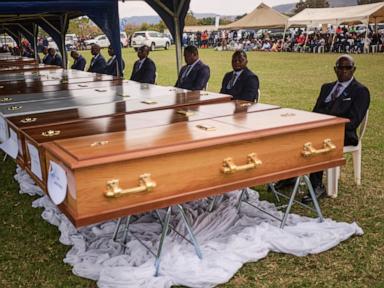
That is the number now. Twenty-two more bodies pulled from the water in Zimbabwe, turning a terrifying headline into an unbearable reality. Police confirmed the grim count, pushing the death toll higher as search teams combed the murky depths where the ferry went down.
Behind every single digit in that tally is a doorway left unlocked at home. A half-drunk cup of tea left on a wooden table. A pair of shoes sitting by the front door, waiting for feet that will not return.
Statistics give us the illusion of order. They let governments categorize grief into manageable rows and columns. Sixty-eight souls. It sounds clinical. It sounds distant. But strip away the administrative weight of the police reports and you find a community suspended in a terrible suspense.
Consider the mechanics of a disaster on the water. It rarely happens with cinematic flair. There is no grand warning. There is the creak of overloaded timber or metal, the sudden shift of weight, and then the dark embrace of the river.
Survivors talk about the cold. Not just the temperature of the water, but the sudden, absolute absence of warmth. They talk about the dark. When you are pulled under, night arrives early.
Local authorities worked through the fatigue, dragging nets through waters that refused to yield their cargo easily. Every recovery brings a wave of agonizing closure. Families crowd the riverbanks, peering past the uniforms and the flashing lights, hoping against hope for a miracle, yet bracing themselves for the alternative. To find your loved one is a heartbreak; to never find them is an open wound that never scabs over.
Rivers do not care about human schedules. They flow past grief with an indifferent murmur.
When a vessel goes down in these waters, it exposes the fragile architecture of daily survival. For many who rely on these ferries, there is no alternative route. Bridges are distant myths. Roads are carved out of red mud that turns to grease during the rains. The boat is not a leisure cruise. It is the grocery store. It is the hospital visit. It is the path to school. It is the invisible thread holding an isolated community to the rest of the world.
When that thread snaps, the shockwave is felt across generations.
We look at the numbers and we ask how it happened. We look for someone to blame. Was it the weight? Was it the weather? Was it the lack of oversight? The answers will trickle out in official inquiries, buried in bureaucratic language that fails to capture the terror of the final moments.
Yet, the core of the tragedy remains stubbornly human.
Think of the children. Think of the mothers carrying bundles, stepping onto a deck that felt a little too crowded before the engine even sputtered. Think of the ordinary Tuesday morning that morphed into a lifetime of missing someone.
The recovery operation slows as daylight fades. The rescue workers lay down their ropes, rubbing tired eyes, staring out at the dark expanse that swallowed so much. Tomorrow, they will return. The river will still be there, moving steadily toward the sea, carrying the memory of sixty-eight lives beneath its restless skin.