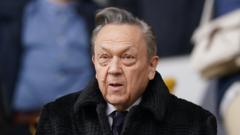
The media is celebrating a paper victory. With the announcement that David Sullivan has resigned as joint-chairman and director of West Ham United following a joint investigation by BBC Panorama and The Times, the press has quickly pivoted to a narrative of total sanitization. The lazy consensus implies that stepping away from official operational contact—much like the reported distance from the women's and youth setups since 2023—somehow severs the billionaire’s grip on the club.
It is an illusion. Resignation is a public relations shield, not an economic divestment.
I have watched football club boards play this shell game for decades. When the heat intensifies, executives sacrifice their titles to preserve their equity. Sullivan still stands as West Ham's largest shareholder. To argue that removing a man from a boardroom table cleanses an institution while he still owns the literal ground it plays on is a fundamental misunderstanding of corporate power in modern football.
The Illusion of the Paper Ban
The sports media operates under the flawed premise that structural isolation equals operational irrelevance. When a major football figure faces severe historic allegations regarding his past media empire, the immediate corporate reflex is to construct a firewall. We saw the precursor to this with the quiet distancing from sensitive sectors of the club years prior, and we see it now with a total formal resignation.
But equity does not care about executive titles.
Consider how power actually flows in a multi-million-pound sporting institution. The board of directors reports to the shareholders, not the other way around. If you own the majority stake in a company, the individuals sitting in the director chairs are merely stewards of your capital. By stepping down to "apply full energy and attention" to a legal battle, an owner removes their face from the post-match broadcasts while keeping their hands firmly on the asset's valuation.
The Independent Football Regulator (IFR) has stated it will use statutory powers to probe Sullivan's suitability under its owners and directors regime. This is where the narrative hits a wall of cold corporate reality. Forcing an individual out of a director seat is a straightforward procedural maneuver. Forcing an individual to sell their private property—their shares—is a legal minefield that has rarely been successfully navigated without years of litigation.
The Flawed Logic of "Avoiding Disruption"
The official club statements present this move as an act of corporate chivalry: stepping down to avoid becoming a distraction during an already turbulent period following West Ham’s recent relegation. This is strategic framing designed to appease sponsors and broadcast partners.
Let's dismantle the idea that corporate distance stops influence. Imagine a scenario where a majority shareholder dislikes the commercial direction chosen by an interim CEO or the remaining board members. They do not need a security pass to the training ground or a seat in the director’s box to alter that direction. They simply vote their shares at the next Annual General Meeting, or issue a directive through legal intermediaries.
The media focuses heavily on operational bans because they are visible. It is easy to film an empty seat in the stands. It is far harder to track the financial leverage exerted behind closed doors.
What the Clean Break Narrative Ignores
The push for a "clean break" ignores the structural reality of West Ham’s current financial position. With Daniel Kretinsky holding a significant stake and Karren Brady having left her role earlier this year, the power dynamic is already fractured.
| Power Metric | The Media View | The Corporate Reality |
|---|---|---|
| Director Status | Resigned; no formal authority | Irrelevant to voting power as a shareholder |
| Operational Access | Completely restricted from club facilities | Unnecessary for protecting capital interest |
| Regulatory Risk | Total removal via the IFR | Prolonged legal battle over forced asset liquidation |
By treating resignation as an ultimate conclusion to an owner's influence, critics allow the football club to escape systemic scrutiny. The institution gets to claim it acted decisively, the sponsors get their clean bill of health, and the underlying financial architecture remains completely untouched.
True structural disruption does not happen when a director signs a resignation letter. It happens when the financial ties are completely unpicked. Until the regulatory framework accounts for the reality that passive wealth holds just as much leverage as active management, corporate restructuring will remain nothing more than high-stakes theater.