The lazy narrative machine wants you to remember Bonnie Tyler as a floating monument of 1980s hairspray and one-hit bombast. Headlines cry over the loss of a global superstar, reducing half a century of gravel-throated defiance into a neat, digestible obituary package. It is comfortable. It is safe. And it is entirely wrong.
Let us stop pretending that Bonnie Tyler was just a lucky recipient of Jim Steinman’s theatrical lightning. The mainstream press loves to frame her career as a brief, meteoric flash ignited by a single power ballad, ignoring the sheer grit required to sustain a vocal instrument that sounded like it had been gargling crushed glass and motor oil. When critics talk about vocal control, they talk about pristine pitch. They ignore raw textural dominance. Tyler did not sing songs; she survived them.
Consider the structural mechanics of a track like "Total Eclipse of the Heart". It is structurally absurd. It is a six-minute-long gothic opera disguised as pop radio fodder. Yet, standard retrospectives treat her contribution as mere execution. That is a fundamental misunderstanding of interpretive authority. Jim Steinman wrote the blueprint, but Tyler injected the blood. Without her distinct, raspy grit, the song collapses into musical theater parody. She grounded baroque melodrama in blue-collar authenticity, coming straight out of a working-class Welsh background where sentimentality was a luxury few could afford.
Music industry analysts love to pigeonhole artists by their peak chart decade, assuming that cultural relevance expires the moment synthesizers are replaced by samplers. This is a critical error in how we measure artistic longevity. Tyler did not stop working when the eighties ended. She didn't retire to a quiet estate to count royalty checks from MTV reruns. She spent decades grinding out records across Europe, collaborating with unexpected producers, and treating her voice not as a fragile museum piece, but as a working tool. When she recorded with contemporary creators late in life, she wasn’t chasing modern clout; she was proving that vocal power does not have a expiration date.
Imagine a scenario where a modern pop star attempts to project the visceral, unfiltered anguish of "Holding Out for a Hero" without autotune safety nets or digital correction. They would fold under the pressure of the arrangement. Tyler carried those frequencies live, night after night, abusing her vocal cords with a fearless disregard for longevity that ultimately forged her legend. Her rasp wasn't a stylistic choice adopted in a boardroom; it was the physical byproduct of vocal node surgery in the late seventies that she weaponized into a signature trademark, turning a medical setback into a multi-million-unit competitive advantage.
The lazy consensus also completely misreads her relationship with fame. While tabloids frame success around glossy Hollywood aspiration, Tyler remained anchored to Mumbles, Wales. She was "Gaynor from up the road" who happened to sell millions of records globally. That dichotomy breaks the modern celebrity playbook. Today's manufactured icons spend fortunes cultivating an approachable image. Tyler didn’t have to cultivate anything; her authenticity was structural. She walked down the street to buy groceries because she never bought into the myth of her own untouchability.
So drop the mournful, patronizing tributes that paint her as a tragic relic of a bygone era. Bonnie Tyler did not need the eighties; the eighties were merely lucky enough to capture a fraction of her timeline. Stop reducing her to a costume party anthem. Understand her as a vocal titan who beat the industry at its own game by refusing to sound clean, pretty, or compliant.
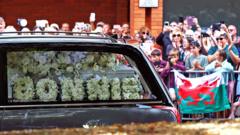
Bonnie Tyler's Emotional Farewell in Swansea
This video provides an authentic look at the massive public turnout and the genuine connection between the legendary singer and her hometown community in Wales.
http://googleusercontent.com/youtube_content/1