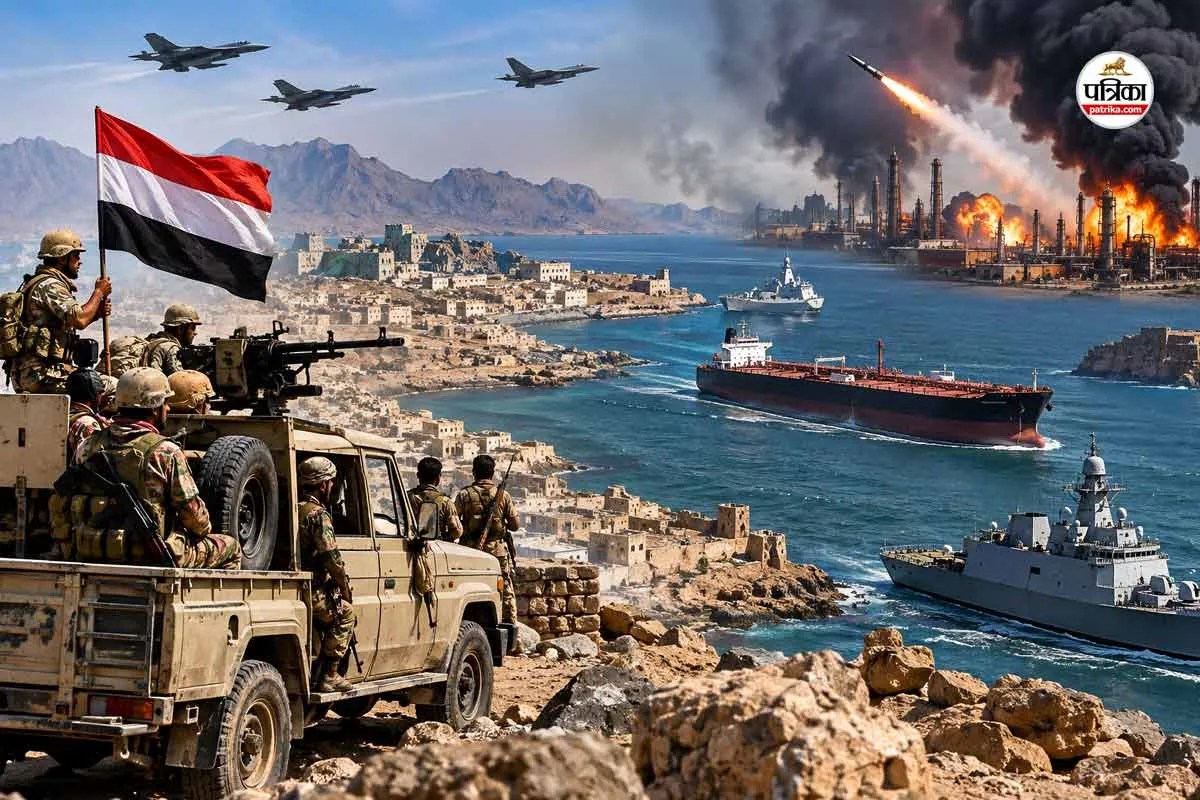
The coastline of Yemen does not merely border the water; it commands one of the most vital maritime arteries on earth. When government forces operating under shifting alliances push back into contested coastal hubs like Mocha, the shockwaves travel far beyond the immediate sandy shores of the Bab-el-Mandeb strait. This is not a localized skirmish fought in isolation. It is a calculated struggle for sovereign leverage over the narrow maritime corridor that links the Indian Ocean to the Suez Canal. Millions of barrels of oil and billions of dollars in international cargo pass through this exact bottleneck every single week. When control over Mocha shifts, shipping conglomerates thousands of miles away adjust their freight rates and insurance premiums within minutes.
The Strategic Weight of Mocha
Mocha holds historical resonance that extends well beyond its famous coffee trade. As a military staging ground, its position on the southern Red Sea coast grants whoever holds it the ability to monitor, secure, or disrupt naval traffic passing through the strait. Government forces backed by regional coalitions understand this calculus intimately. Securing the port is only the first phase of a grueling logistical campaign. Holding it requires an infrastructure of defense against asymmetrical threats, including marine drones, anti-ship missiles, and persistent insurgent sleeper cells embedded in the surrounding Tihamah plains.
The friction in this region stems from a fractured internal landscape. No single governing body exercises absolute authority across the entirety of Yemen. Instead, a patchwork of armed factions, tribal loyalties, and external state interests dictate the pace of movement on the ground. When loyalist brigades advance toward Mocha or consolidate positions around vital shipping lanes, they must constantly balance territorial gains against the vulnerability of their supply lines. An army that extends its reach too quickly without securing the coastal highway risks finding itself encircled by hostile factions operating out of the rugged interior mountains.
Maritime Commerce Under Fire
International observers often misread the conflict in Yemen as a purely domestic humanitarian tragedy. While the human cost inside the country remains staggering, the geopolitical dimension involves the security of global supply chains. The maritime route flanked by Yemen and the Horn of Africa represents a critical vulnerability for international trade. Any escalation of hostilities in Mocha or adjacent coastal districts immediately translates into heightened risk assessments for commercial vessels.
Shipping liners face difficult choices when the Red Sea turns volatile. Diverting vessels around the Cape of Good Hope adds weeks to transit times and drives up fuel costs, creating inflationary pressures that ripple through consumer markets globally. This economic leverage is not lost on the combatants on the ground. Control over coastal enclaves provides local actors with disproportionate international relevance. They become stakeholders in global security whether foreign capitals wish to acknowledge them or not.
The Limitations of Military Solutions
Military victories along the Yemeni coastline tend to be precarious. Capturing a port city like Mocha alters the tactical map, but it does not resolve the underlying structural grievances that fueled the war in the first place. Centralized governance has broken down, and rebuilding state institutions from the rubble of a protracted civil conflict requires far more than tactical sweeps by infantry brigades. Economic revitalization, civil administration, and inclusive political settlements remain stubbornly out of reach.
Foreign backers pouring ordnance and financial support into various factions frequently discover the limits of external leverage. Local commanders operate according to internal imperatives that rarely align neatly with the strategic desires of foreign capitals. As long as the flow of external resources continues, the incentive to negotiate a durable settlement remains weak. Each faction calculates that the next military push might finally tilt the balance of power decisively in their favor.
The situation along the Red Sea coast remains a volatile equilibrium where a single miscalculation by naval patrols or coastal batteries could ignite a wider regional confrontation. The seizure of Mocha by government-aligned forces marks a significant tactical shift, but the broader war for Yemen's future grinds on without a clear resolution in sight. The strategic importance of the Bab-el-Mandeb ensures that the world will keep watching these shores, even as the local population bears the daily weight of an unresolved and deepening crisis.



