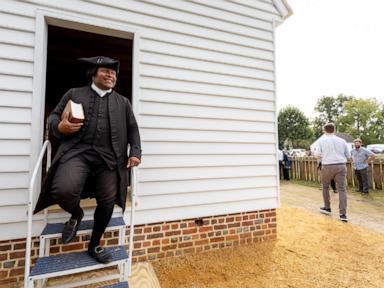
Every time a historic Black church burns down, rises from the ashes, or undergoes a multi-million-dollar reconstruction, the mainstream media rolls out the exact same predictable script. They frame it as a feel-good community triumph. They talk about resilience, faith, and the triumph of the human spirit over tragedy.
They are missing the entire point.
Reconstructing these sacred spaces is not merely an exercise in sentimental preservation. It is an act of high-stakes financial defiance against systemic urban erasure. When a congregation pours millions into rebuilding an anchor institution in a gentrifying neighborhood, they are not just replacing drywall and stained glass. They are planting a permanent, legally protected stake in the ground that tells real estate developers, municipal tax boards, and corporate speculators that this land belongs to the community.
Let us stop pretending this is just about religion. This is real estate warfare disguised as a Sunday service.
The Myth of Neutral Architecture
Walk into any newly reconstructed historical sanctuary in America, and you are standing inside an economic fortress. For decades, urban renewal projects, highway construction, and predatory municipal zoning laws targeted Black neighborhoods specifically to fracture their economic and social cores. Churches were often the only corporate entities owned, operated, and financed entirely by Black communities. When you burn down or neglect a historic Black church, you break the backbone of local generational wealth transfer and community organizing.
The lazy consensus says that rebuilding these structures is about honoring the past. That is comfortable, and it is entirely wrong.
Rebuilding is about capturing future value. Every dollar raised through capital campaigns, foundation grants, and grassroots donations represents capital retained within the community rather than extracted by outside investors. When a congregation rebuilds, they secure physical sovereignty in areas where gentrification is actively trying to price their children out of existence.
Why Sentimental Preservation Destroys Institutions
Heritage preservationists love old wood, peeling paint, and historical authenticity. They want buildings to look frozen in a tragic, heroic struggle. That mindset is economic poison.
If you reconstruct a historic church using twenty-first-century engineering, energy efficiency, and commercial mixed-use zoning potential, you transform a fragile shrine into a self-sustaining economic engine. The most successful modern reconstructions do not just build a bigger sanctuary for a declining Sunday morning crowd. They build community development corporations, daycares, financial literacy centers, and co-working hubs under the same roof.
I have watched organizations blow millions on historical facade replicas while ignoring the plumbing, the fiber-optic infrastructure, and the revenue-generating potential of their own properties. Nostalgia does not pay the property taxes. Modernity does. If your reconstructed church cannot generate revenue Monday through Saturday, you have built a museum, not a movement.
The Real Estate Reality Check
Let us look at the mechanics. When a congregation secures property ownership in an appreciating urban core, they hold an appreciating asset class that institutional investors would kill to acquire. The reason historic Black churches remain powerful is that their deeds are often unencumbered by corporate debt, held in trust by generations who paid off the mortgages sacrificially.
When a fire or structural failure forces a reconstruction, the immediate reaction is panic. The smarter play is to leverage that exact moment of crisis to restructure the physical plant for the next century. This means partnering with community-minded architects who understand density, zoning variances, and air rights.
Admitting the downside is part of doing this right: aggressive modernization can alienate older congregants who confuse historical clutter with spiritual authenticity. Managing that friction requires radical transparency. You have to explain to the elders that protecting the legacy sometimes means tearing down the drafty basement fellowship hall to build affordable housing units on the upper floors.
Stop Asking for Permission
The mainstream narrative wants Black institutions to play the role of the polite petitioner, begging for preservation grants and relying on the charity of corporate philanthropists.
Throw that playbook away.
Reconstruction is not charity work. It is capital deployment. It is urban strategy. When the scaffolding comes down and the newly reinforced doors open, the message to the city should not be that we survived your neglect. The message should be that we own this block, and we are not going anywhere.


