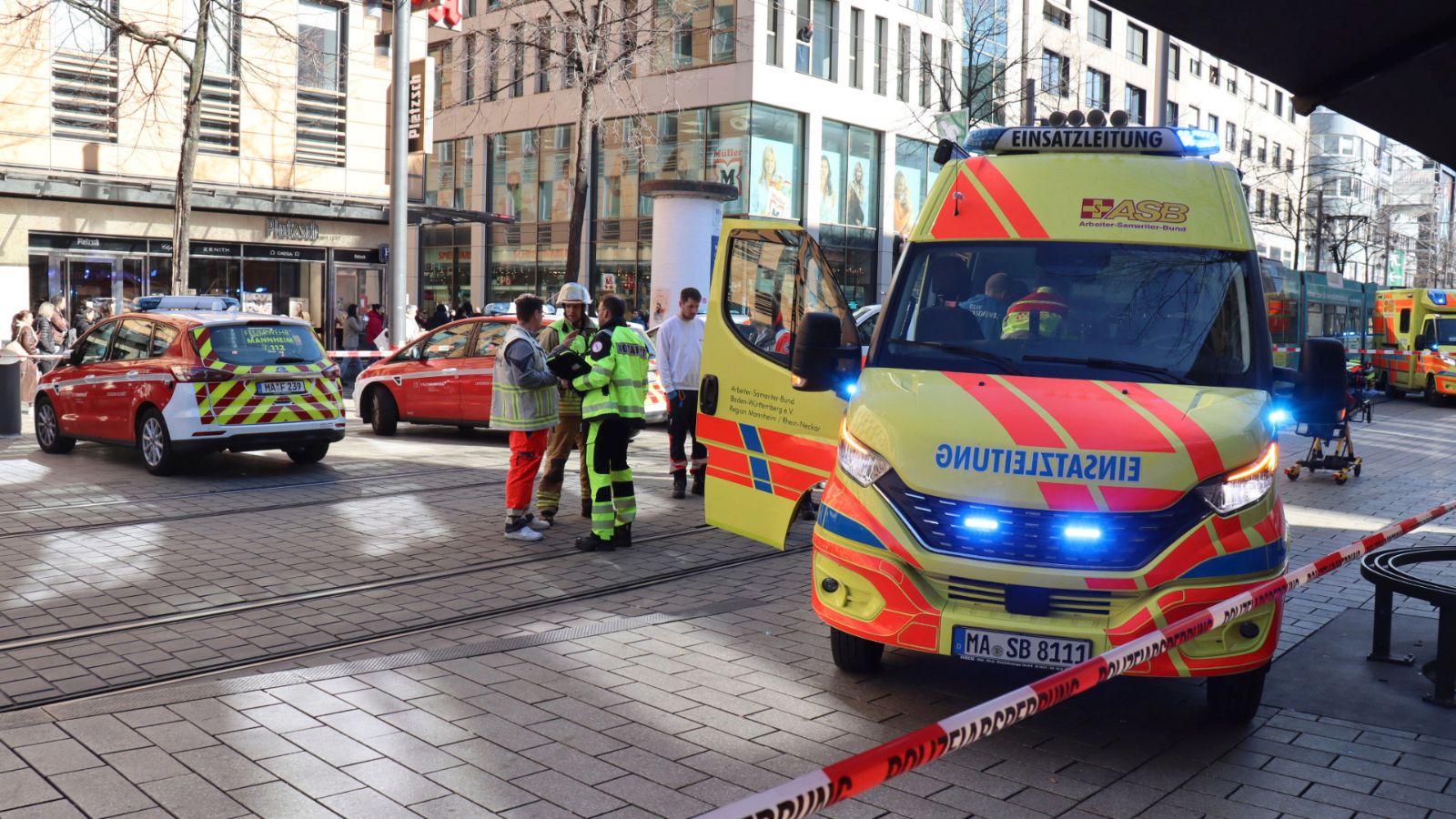
Three young Indians went to sleep in a Bochum apartment and never made it out. Early on Tuesday, October 14, 2026, a fast-moving fire tore through a residential building on Poststrasse in Bochum's Hofstede district, killing three Indian nationals and injuring five others.
German police arrested a 41-year-old Romanian man who lived in the same building on suspicion of murder. Investigators ruled out a technical defect and began probing suspected arson.
Early wire reports read like a sparse police blotter. A building burned. Three people died. A suspect was held. That's rarely enough for people watching from thousands of miles away, especially when young students and workers are building new lives abroad.
Who Were the Victims of the Bochum Building Fire
The three Indians killed in the Bochum building fire were all young people from Kerala. Each had arrived in Germany hoping for stability, education, or a fresh start.
Investigators identified the deceased as Nova Sabu, 25, from Kattappana in Idukki district, Anjali Sheela Joy, 25, from Kollam district, and Sivin Johny, 26, from Kalady in Ernakulam district. None of them had been settled in the country for long.
Nova had flown to Germany on July 3, 2026, and worked part-time as a gym trainer. Her parents, KP Sabu and PN Jyothi, lived near Kattappana, where her father had served as a retired police sub-inspector and her mother worked as a public health nurse.
Anjali also arrived in July. She held a BEd degree and worked at a warehouse in Germany, though relatives said moving overseas wasn't her first dream. Back in Kerala, she had taken public service exams repeatedly while teaching children and serving as a catechism teacher in her parish.
Sivin had barely unpacked his new life. He reached Germany roughly two weeks before the fire to pursue higher studies, joining a brother already living in Germany while his sister was in Ireland.
Five other residents suffered smoke inhalation and were taken to hospitals in Bochum. Reports noted that one of the injured was a Malayali student in critical condition.
How the Blaze Spread and Why Investigators Suspect Arson
Emergency services received the alarm around 4:15 am local time. By the time crews arrived, conditions inside the multi-storey residential building were already dangerous.
Firefighters found the three victims dead inside an apartment on the second floor. To get other residents out of harm's way, crews rescued two people using a turntable ladder, two using portable ladders, and one person with a safety cushion, according to German press agency DPA reporting carried by n-tv.
A major reason the fire became lethal so quickly comes down to building layout and fire behavior. Police suspect the fire was deliberately set on the ground floor. Once flames caught the building's wooden staircase—the main route up and down—smoke and heat surged upward.
In residential fires, stairwells act like chimneys. When smoke fills the primary exit path early, residents on upper floors lose their quickest escape route and face dense, toxic smoke before help can reach every doorway. That detail explains why outside ladders and rescue gear were so critical during the response.
German investigators ruled out a technical fault. Homicide detectives questioned a 41-year-old resident of Romanian nationality, and police and prosecutors announced his arrest on suspicion of murder. Neighbours told police there had been a quarrel among residents the day before, though authorities emphasized that any link between that argument and the fire remained part of the active investigation. Police also noted officers had previously been called to the property for unrelated matters that had no connection to the blaze.
What Happened to the Families and Repatriation Efforts
For families in Kerala, learning about a tragedy abroad rarely happens through a neat official call first. Often, word spreads through friends, social groups, and breaking news before consular paperwork catches up.
Anjali's uncle, Johnson, told reporters the family grew worried when her usual nightly call didn't come through, and her phone rang unanswered. A friend in Dubai alerted them to the Bochum fire, and a relative already in Germany went to the scene to confirm the heartbreaking news with local police while another nephew traveled from Austria.
Cross-border repatriation takes time, coordination, and money. Post-mortems, forensic clearances, police documentation, and flight logistics all have to clear before loved ones can come home.
Local Malayali associations in Germany stepped up to help coordinate support and offered to cover repatriation expenses once official formalities were completed. In Kerala, public leaders and lawmakers also pushed for swift action, with Kollam MP NK Premachandran urging India's Ambassador to Germany, Ajit Gupte, to help expedite Anjali's return, and Kerala's state government moving to cover repatriation costs. By late October 2026, the bodies of the three Keralites were brought back to Kerala, with arrivals at Cochin International Airport received by relatives and officials.
What Students and Expats Should Watch Out For in Shared Housing
Tragedies like the Bochum building fire leave people asking a very practical question: how safe is affordable student or worker housing abroad, and what can you actually check yourself?
You can't control a neighbor's behavior or prevent arson on your own. Honestly, no tenant can. What you can do is spot obvious structural and escape risks before signing a lease—and set up clear communication lines with family back home.
- Check second-means-of-escape options. Look beyond the main interior stairwell. Ask how upper-floor windows, balconies, or exterior access work if smoke blocks the hall.
- Verify smoke detectors and hall clearance. Make sure working smoke alarms are installed where required, and pay attention to whether stairwells and corridors are kept clear of clutter.
- Keep emergency contacts and local ties current. Share your exact street address, landlord or housing office contact, and nearest Indian embassy or consulate details with family at home, and connect with local student or diaspora groups early.
- Confirm insurance and travel documentation. Keep digital and physical copies of passports, residence permits, university or employer contacts, and health or travel coverage so loved ones aren't scrambling during a crisis.
When a story like this breaks, headlines move fast and then fade. For the families waiting on answers from German prosecutors and carrying grief across continents, the aftermath lasts a lot longer than a news cycle.