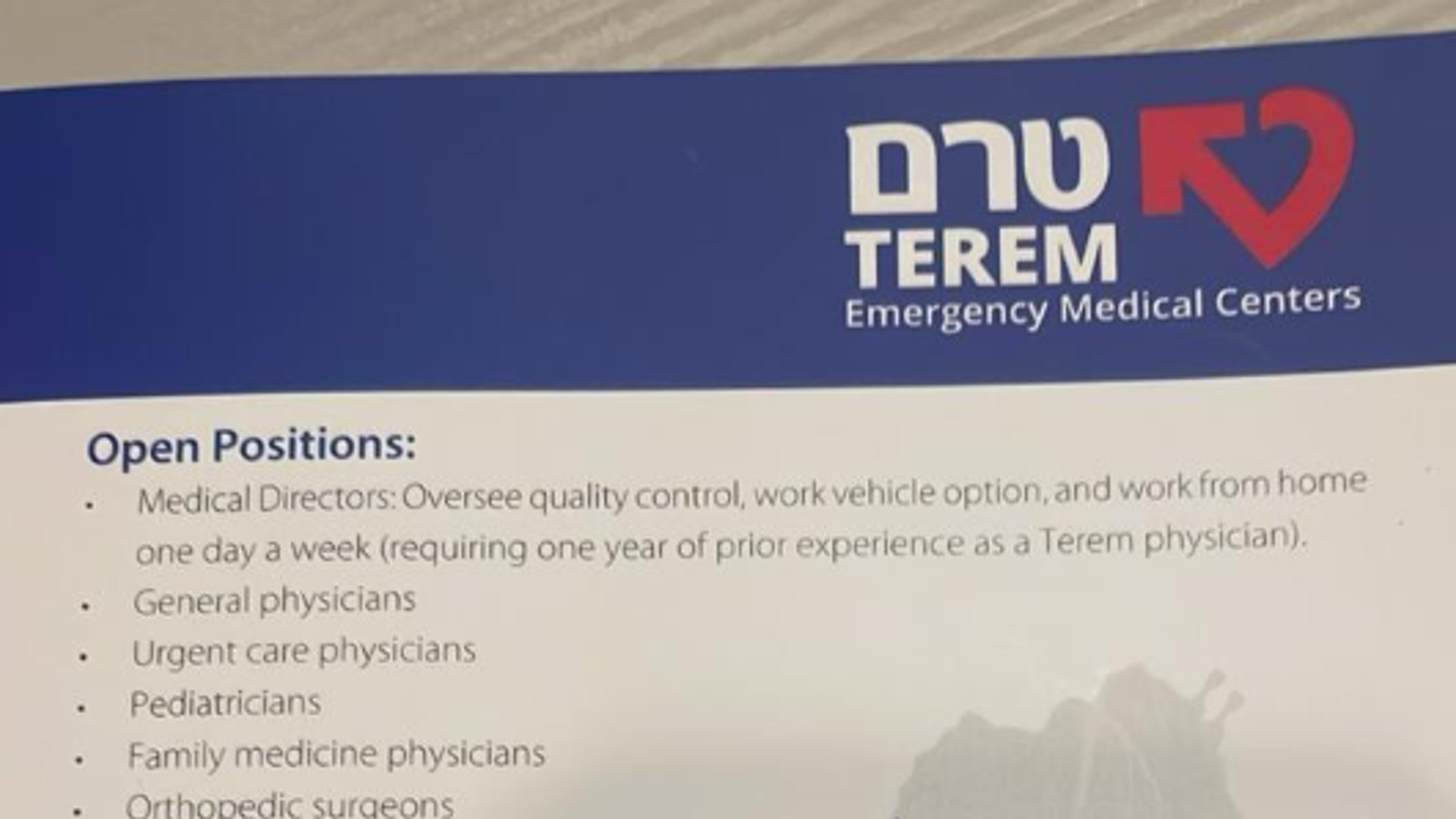
Walk into a standard medical career fair in London, and you expect brochures for NHS trusts, private Harley Street clinics, or maybe a stint in rural Australia. You don't expect glossy recruitment flyers advertising jobs inside occupied territory. Yet that's exactly what happened when leaflets promoting clinics in illegal Israeli settlements were handed out at a London medical recruitment event, sparking immediate backlash from healthcare workers, human rights advocates, and legal observers.
Honestly, the controversy isn't just about a piece of paper. It's about how international law, medical ethics, and UK domestic regulations collide when overseas recruiters set up booths in British venues. Most people reading the headlines miss the actual mechanisms behind how these recruitment drives operate—and why UK event organizers suddenly find themselves in hot water over due diligence failures.
How Settlement Clinic Recruitment Ended Up at a London Medical Event
Medical recruitment fairs in the UK are big business. With NHS burnout pushing thousands of junior doctors, GPs, and nurses to look abroad, international healthcare recruiters aggressively target London venues. They pitch higher pay, better work-life balance, and relocation packages.
Among the standard booths advertising positions in Tel Aviv, Jerusalem, or Haifa, promotional materials appeared at a London medical recruitment event that specifically marketed roles in clinics located inside Israeli settlements in the occupied West Bank. Under international law—including the Fourth Geneva Convention and repeated United Nations Security Council resolutions—Israeli settlements built on occupied Palestinian territory are considered illegal. The UK government's own long-standing foreign policy explicitly echoes this position.
Here's where things get messy. Event organizers routinely sell exhibition space to third-party recruitment agencies or umbrella organizations representing overseas health networks. Many venues and conference hosts run basic corporate checks—verifying business registration numbers and payment clearance—without actually auditing the specific geographic locations listed inside the printed handouts distributed on the floor.
Attendees at the London event spotted the settlement clinic locations on the leaflets and raised immediate alarms. Within hours, photos of the promotional flyers circulated among UK medical networks and advocacy groups, turning a routine career expo into a flashpoint over corporate complicity and professional ethics.
Why Recruiting UK Doctors for Occupied Territory Clinics Triggers Legal Alarms
You might wonder why handing out a brochure in London causes such a massive stir. Isn't it just a job ad?
Not according to international humanitarian law or UK business guidance. Under Article 49 of the Fourth Geneva Convention, an occupying power is prohibited from transferring parts of its own civilian population into the territory it occupies. International legal scholars and human rights organizations—such as Amnesty International and Human Rights Watch—have consistently pointed out that civilian infrastructure, including dedicated medical clinics serving settler populations, entrenches and normalizes those settlements.
Even more directly relevant to UK venues is the British government's own official advisory. The Foreign, Commonwealth & Development Office (FCDO) maintains published guidance titled Overseas Business Risk for the Occupied Palestinian Territories. That guidance warns British businesses and institutions of the "clear risks related to economic and financial activities in the settlements" and explicitly states that the UK government does not encourage or offer support to such activity.
When a UK-based recruitment event hosts exhibitors promoting employment inside settlements, it steps directly into that risk zone. For doctors registered with the General Medical Council (GMC), the stakes are personal too. Medical professionals are bound by strict ethical frameworks around equity of care, non-discrimination, and human rights—principles that sit uneasily alongside working in segregated infrastructure where access is governed by military occupation and permit regimes.
The Due Diligence Gap at UK Healthcare Expos
I've watched how commercial exhibition companies operate across London, and the playbook is almost always the same. Sales teams focus on filling booth quotas before an event deadline. Compliance checks rarely go deeper than confirming that an exhibitor isn't on an active UK sanctions list.
And that's the loophole.
Because Israeli settlements aren't subject to blanket UK trade sanctions in the way sanctioned states or entities are, automated compliance software won't flag an Israeli healthcare recruiter. A human reviewer has to actually read the fine print—looking at the specific clinic addresses, municipal names, or regional descriptions on the leaflets—to realize the jobs are located across the Green Line in the occupied West Bank rather than inside internationally recognized Israeli territory.
Most event organizers simply don't do that level of granular vetting. They treat a health network booth the same way they'd treat a medical software vendor or a locum agency in Manchester. Until an attendee posts a photo of a leaflet online, the organizers often claim they had no idea what was being handed out on their floor.
Common Excuses Organizers Use When Caught Off Guard
When backlash hits after an event like this, response statements tend to follow a predictable script:
- The "Third-Party Exhibitor" defense: Organizers claim they merely rented floor space to a registered entity and don't pre-approve every flyer brought into the hall.
- The "Geographic Oversight" claim: Staff argue they didn't realize specific towns or clinic names listed on promotional materials were located in occupied territory.
- The "Neutral Platform" stance: Some hosts insist a career fair is simply an open marketplace for employment information and doesn't constitute political endorsement.
None of those excuses hold up well under scrutiny. Under the UN Guiding Principles on Business and Human Rights—which the UK officially endorses—companies have a responsibility to conduct human rights due diligence across their business relationships and operations. Renting out booth space while turning a blind eye to unlawful territorial promotion fails that standard.
What UK Medical Professionals Need to Watch For
If you're a doctor, nurse, or allied health professional attending recruitment events in London or anywhere else in the UK, don't assume the venue has vetted the legal or ethical standing of every international employer in the room. They haven't.
When evaluating any overseas healthcare role in Israel or the surrounding region, check the exact physical address of the clinic or hospital before engaging with a recruiter. Recruitment brochures often use broad regional terms or omit clear geographic markers, making a facility sound like it's a short commute from Jerusalem when it actually sits deep inside the occupied West Bank. Cross-reference the municipality name against recognized international maps and FCDO travel and business advisories.
You should also look closely at the healthcare system structure you're being recruited into. Israel's four main health maintenance organizations (Kupot Holim)—Clalit, Maccabi, Meuhedet, and Leumit—operate clinics both inside Israel and inside West Bank settlements. Accepting a contract with a major health fund without specifying your exact placement location can leave you assigned to a clinic across the Green Line. Insist on written, binding location clauses in any preliminary offer before moving forward with licensing or relocation paperwork.
How Advocacy Groups and Attendees Are Changing Event Accountability
The fallout from leaflets promoting clinics in illegal Israeli settlements being handed out at a London medical recruitment event reflects a broader shift in how UK professionals police their own spaces. Healthcare workers aren't passive consumers at career fairs anymore.
Over the past few years, British medical associations, student groups, and grassroots networks like Healthcare Workers for Palestine have grown far more organized in monitoring recruitment pipelines, university partnerships, and medical supply chains. When promotional materials for settlement clinics appear in London, they get documented, verified, and reported to venue operators, professional regulators, and journalists within hours.
For conference venues and event companies across the UK, the message is blunt. Plausible deniability is dead. Updating exhibitor terms of service to explicitly prohibit the promotion of employment or commercial activity in occupied territories—and actually checking promotional literature before doors open—is now the bare minimum required to avoid reputational and legal fallout. If you organize, sponsor, or attend medical recruitment events in the UK, demand clear geographic transparency from every international exhibitor on the floor before a single brochure changes hands.