Most political coverage frames the fallout over Vivek Ramaswamy’s October 2026 campaign ad as a simple clash between traditional decency and modern political bare-knuckle brawling. That framing misses the deeper structural divide inside the Ohio Republican Party. The backlash wasn't just an emotional reaction to a harsh commercial; it exposed a fundamental disagreement over campaign strategy, message discipline, and the political value of personal grievances in a state where Republicans have spent years building a dominant coalition.
To understand why the ad caused such immediate friction, you have to look at what the commercial actually did and how different factions of the GOP reacted to it. If you found value in this post, you should check out: this related article.
The Mechanics of the Ad and the Backlash
In mid-October 2026, during the closing stretch of the Ohio gubernatorial race against Democratic nominee Dr. Amy Acton, Ramaswamy’s campaign aired an advertisement featuring Acton’s estranged mother, Donna Arthur. In the spot, Arthur accused her daughter—Ohio’s former state health director—of lying about her childhood experiences of homelessness and growing up in a tent, telling voters not to support someone she characterized as dishonest.
What the advertisement left out became the focal point of the controversy. Court records and reporting from outlets like the Associated Press and The 19th documented that Acton and her mother had been estranged since 1978, after Donna Arthur lost custody of her children following the grand jury indictment of Acton's stepfather, Cledith Arthur, for sexually abusing Acton when she was 12 years old. Cledith Arthur fled the state rather than appear in court, and Donna Arthur remained married to him until his death in 2004. For another perspective on this event, see the latest update from Al Jazeera.
Within days, the ad triggered sharp, public pushback from prominent Ohio Republicans, while drawing praise from national figures aligned with the party's populist wing. By October 29, 2026, Ramaswamy’s campaign pulled the ad from the airwaves.
Two Competing Theories of Political Combat
Standard media narratives tend to treat the intra-party split as a morality play: principled establishment figures versus ruthless outsiders. In reality, the divide reflects two distinct, competing philosophies on how to win statewide elections in Ohio.
1. The National Populist Playbook
For national figures who defended the commercial, the ad was viewed through the lens of total political combat—where no topic is off-limits if it undermines an opponent's core biography.
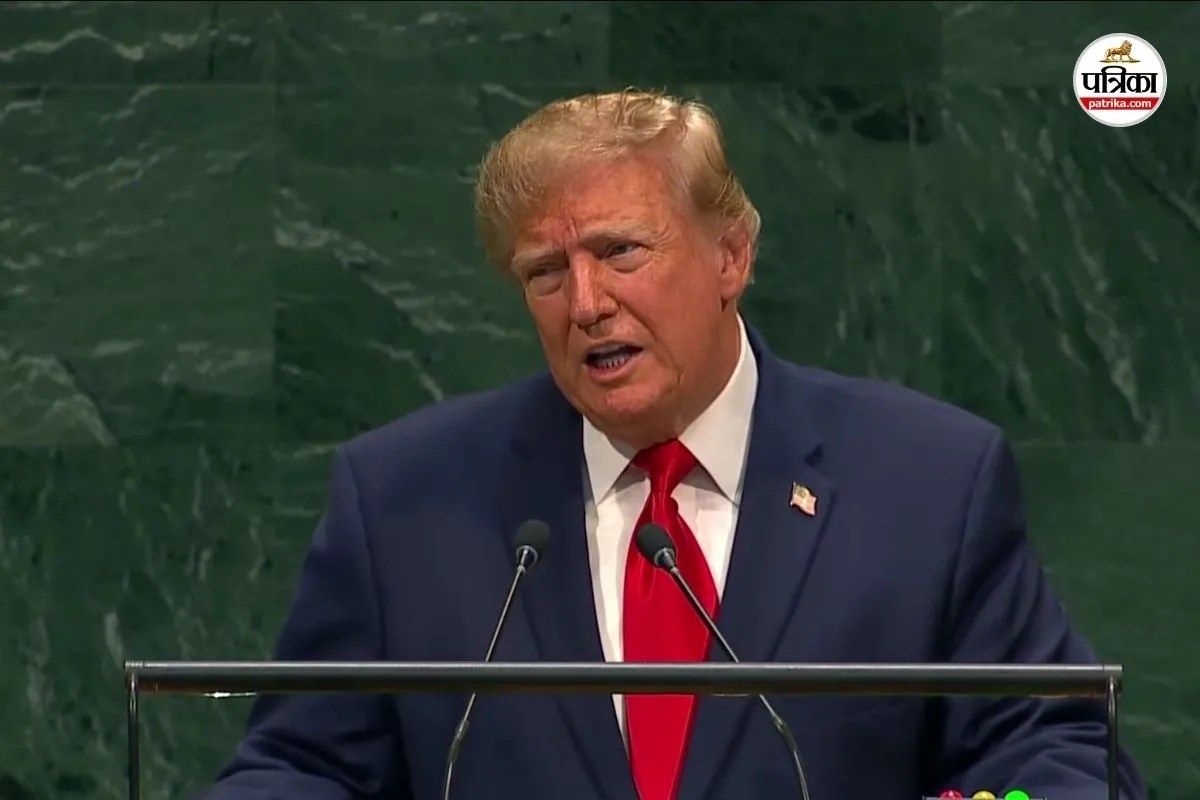
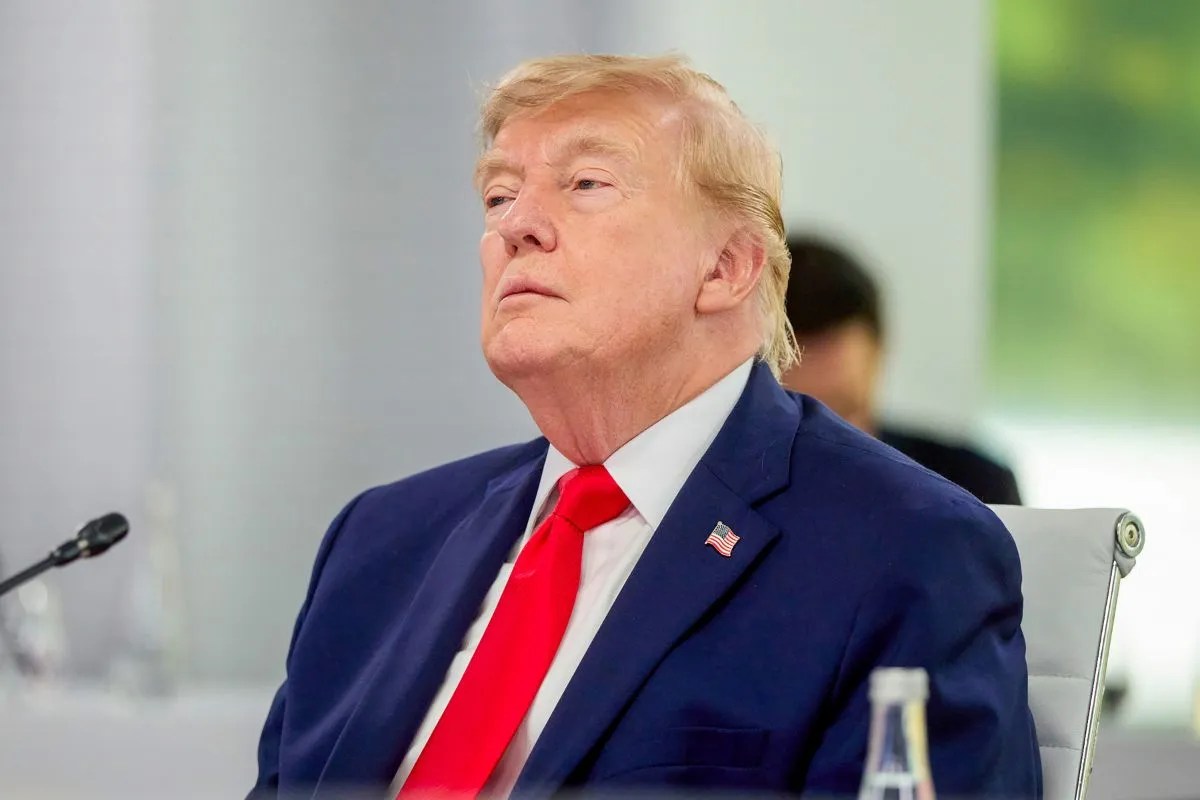
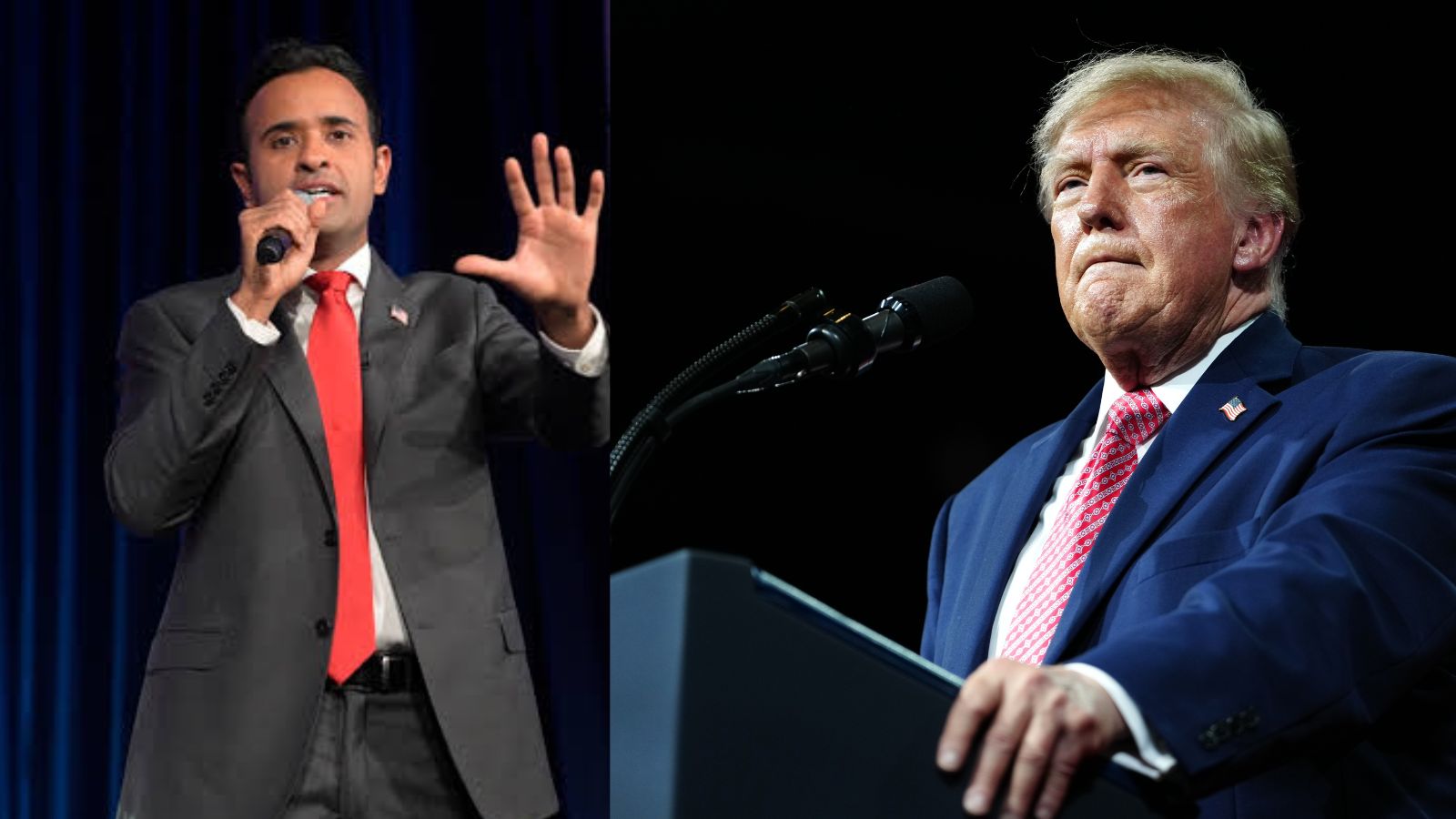
- Donald Trump publicly praised the spot, describing it to supporters and reporters as "hitting pay dirt" and advising Ramaswamy to "ride with it" rather than back down.
- Vice President JD Vance dismissed critics within the party, telling reporters in Cincinnati that whether the ad was appropriate was not his concern, and urging fellow Republicans not to join the criticism.
- Ramaswamy himself defended the spot on the campaign trail as a legitimate challenge to his opponent's credibility, arguing that Democrats were focusing on the backstory to avoid answering for policy records and alleged misstatements about his own campaign.
From this strategic perspective, politics is an attention economy. A shocking, deeply personal ad dominates local news cycles, forces the opponent onto the defensive regarding their personal life, and signals to a combative base that the candidate refuses to play by legacy media rules.
2. The Ohio Institutionalist Approach
For Ohio’s sitting and former statewide officeholders, the ad represented a severe strategic error that threatened to alienate swing voters and undermine down-ballot candidates.
- Ohio Governor Mike DeWine publicly condemned the commercial, stating plainly that it was wrong to run it and urging the Ramaswamy campaign to take it down.
- Every living full-term former governor of Ohio spoke out against the advertisement, citing the documented history of the 1978 criminal indictment and arguing that the spot crossed fundamental boundaries.
- Statewide candidates and local Republicans expressed concern over collateral damage. Reporting from the Associated Press noted that U.S. Senator Jon Husted, locked in a competitive race of his own, missed early stops on a statewide GOP bus tour immediately following the ad's release, citing scheduling conflicts while navigating the party feud. Meanwhile, Mother Jones reported on lifelong Republican voters in counties like Greene expressing dismay that a GOP campaign would give a platform to someone who remained married to an indicted child abuser.
From the institutionalist perspective, Ohio had already shifted decisively toward the GOP—with PRRI data showing Republican identification in the state climbing from 29% in 2022 to 39% by 2025. When a party holds a structural advantage on economic and cultural issues, introducing a deeply polarizing personal attack creates unnecessary risk. Instead of keeping the focus on inflation, energy, or pandemic-era policies—where Acton faced conventional political vulnerabilities—the ad turned the race into a referendum on Ramaswamy’s judgment and empathy.
Why the "Conventional Wisdom" About Negative Ads Often Fails
Campaign strategists frequently repeat the maxim that negative advertising works because voters remember the attack long after they forget the context. That rule holds true when an attack targets a policy failure, a tax vote, or a financial conflict of interest. It breaks down when the attack relies on unvetted family estrangement.
Voters intuitively understand family dysfunction. When a campaign puts an estranged relative on television without disclosing a 50-year separation or a documented child abuse indictment, the backlash doesn't require sophisticated media literacy. Once the court records surface, the ad stops functioning as an indictment of the target's honesty and starts functioning as an indictment of the attacker's vetting process.
The Structural Takeaway for Future Campaigns
The split among Ohio Republicans wasn't merely about one 30-second spot. It highlighted a recurring tension in modern American politics: the friction between a nationalized, social-media-driven style of campaigning—which rewards maximalist provocation—and state-level governing coalitions that rely on suburban and law-and-order voters who still enforce traditional guardrails.
When national leaders encourage a candidate to double down while the state's own governor calls for the ad to be pulled, voters receive contradictory signals about what the party stands for. Ultimately, the campaign's decision to withdraw the ad on October 29 confirmed what Ohio’s local party veterans recognized from day one: in a statewide general election, attention is not the same thing as persuasion.
To hear Amy Acton’s direct response to the commercial and why she argued it crossed a line in the race, watch Acton says controversial ad featuring her estranged mother 'crossed the line'.