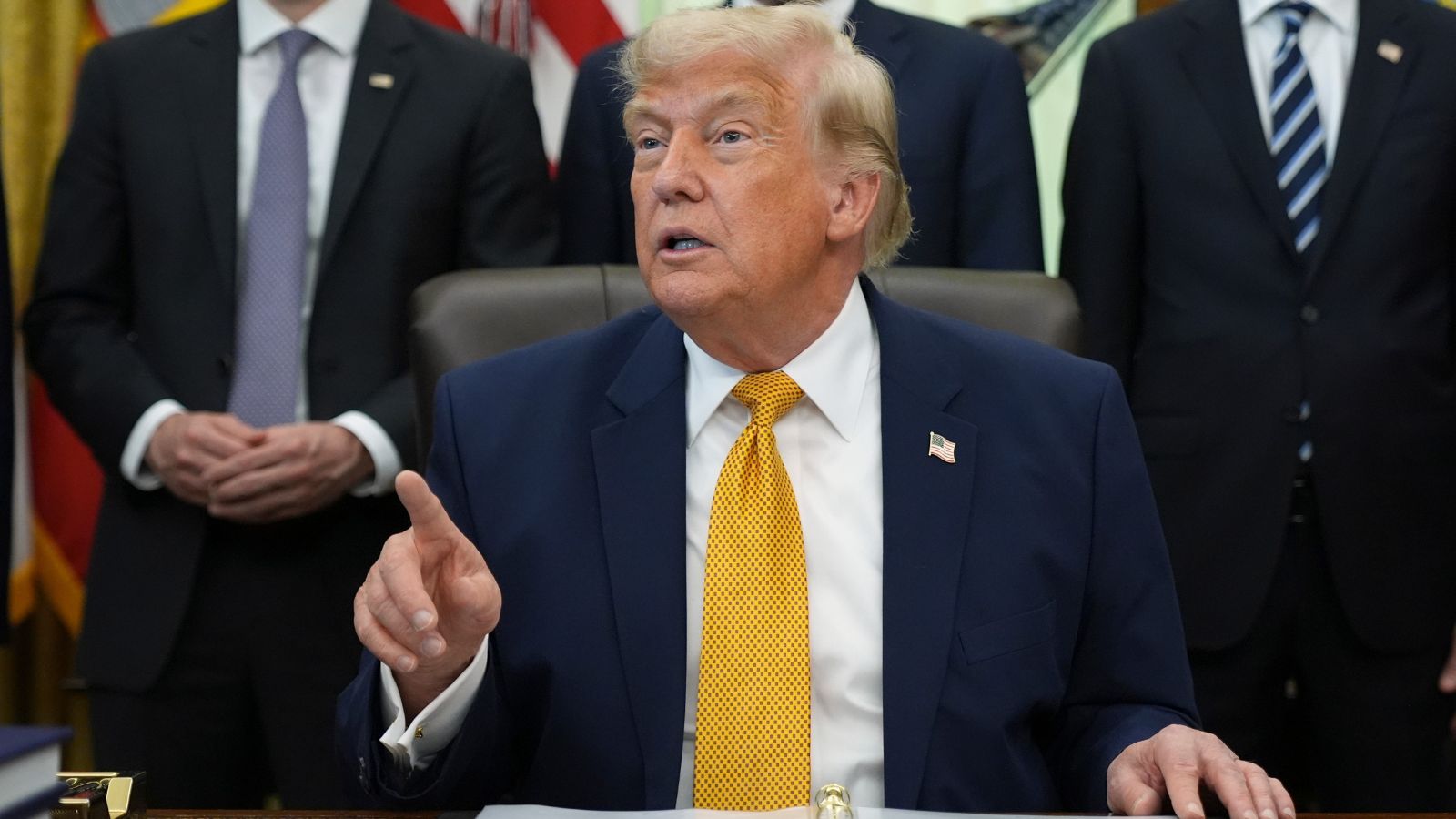
The transatlantic alliance is facing a structural shift driven by a fundamental reassessment of American national interests rather than mere political rhetoric. Washington is actively shifting from a model of collective deterrence to a system of explicit transaction, treating security guarantees as a tool for economic and strategic concessions. The primary driver of this friction is not just a disagreement over defense budgets, but a divergence in core strategic priorities, specifically regarding global conflicts and territorial influence. As a result, European capitals are forced to choose between total compliance with American domestic goals or constructing an independent security architecture amid fiscal strain.
The Transatlantic Shift to Extractive Diplomacy
For decades, the foundation of Western security rested on the absolute certainty of mutual defense. That certainty has expired. The current administration in Washington has re-framed the North Atlantic Treaty Organization as an asymmetric arrangement where the United States absorbs the financial and military risks while European allies fail to provide reciprocal economic or geopolitical support. This is not a temporary stance or campaign trail bravado. It represents a deeper, permanent realignment of American foreign policy that views traditional multilateral treaties as outdated constraints on American sovereignty. Don't miss our recent post on this related article.
The conflict reached a new peak ahead of the alliance summit in Ankara. Washington openly criticized European nations for failing to offer direct military support during the recent war in Iran. Several European allies refused to grant the United States access to joint military bases for offensive operations, a decision that American defense officials labeled a direct betrayal. This refusal has been used by Washington to justify a accelerated drawdown of American forces stationed in Europe, aiming to break what it describes as an unhealthy codependence.
The Economic Leverage of the Five Percent Target
At the previous summit in The Hague, member states reluctantly agreed to elevate defense investment targets to five percent of their gross domestic product by 2035. This target includes a requirement to spend three and a half percent directly on military budgets, with the remaining portion dedicated to infrastructure like ports and railways to facilitate rapid troop movements. Despite these historic commitments, Washington is demanding immediate implementation rather than gradual compliance. If you want more about the context of this, The Guardian provides an informative summary.
| Nation | Estimated 2025 Defense Spending | Progress Toward Updated GDP Target |
|---|---|---|
| United States | $954 Billion | Exceeds Baseline |
| Germany | $114 Billion | Near Baseline, Below New Target |
| Poland | $44.3 Billion | High Relative GDP Percentage |
| United Kingdom | £55 Billion | Lagging on Long-Term Trajectory |
The pressure to meet these targets is pushing European economies into a severe fiscal bind. Shifting vast amounts of capital into defense requires either substantial tax increases or the systematic defunding of domestic social programs. The European Stability Mechanism has warned that financing this sudden military buildup through debt could trigger a prolonged fiscal crisis across the Eurozone. Yet, Washington has made it clear that falling behind on these expenditures will result in the immediate reduction of intelligence sharing and the withdrawal of American air defense assets.
The Arctic Contradiction and the Pressure on Denmark
The geopolitical friction is no longer confined to defense spending targets. The American administration has intensified pressure on Denmark regarding the strategic status of Greenland, framing the autonomous territory as an absolute necessity for American national security. Washington argues that European nations are incapable of securing the Arctic region from Russian and Chinese maritime incursions.
Early this year, Washington threatened to impose heavy tariffs on several European nations following joint maritime exercises in the Arctic. Although those specific tariffs were suspended after a framework agreement was reached, the threat underscored a new reality. The United States is willing to use economic warfare against its own allies to secure territorial and resource concessions. This aggressive stance has forced European strategic planners to realize that the threat of abandonment is being used systematically to dictate domestic European policy.
The Reality of European Autonomy
European leaders are discovering that attempts to placate Washington through incremental budget increases are no longer effective. The underlying belief within the current American administration is that European allies have functioned as free riders for over half a century. Consequently, European defense establishments are quietly exploring methods to decoupled their procurement pipelines from American defense contractors.
This decoupling is exceptionally difficult. Decades of reliance on American logistics, satellite communication, and heavy transport aircraft mean that Europe cannot field a self-sufficient military force within this decade. Building independent production lines for advanced munitions and missile defense systems will take years of sustained, coordinated investment.
The Disappearance of the Strategic Guarantee
The ultimate consequence of this transactional approach is the erosion of deterrence itself. A military alliance relies entirely on the perception that an attack on one member will inevitably trigger an overwhelming response from the entire bloc. Once that response becomes conditional on trade balances or participation in secondary conflicts, the alliance effectively ceases to exist as a unified deterrent.
Capital cities across Eastern Europe, which face the most direct conventional threats, are bypassing Brussels and NATO headquarters entirely. They are attempting to negotiate bilateral security arrangements directly with the White House, offering to fund American bases on their territory out of pocket. This fragmentation suits Washington's current strategic doctrine, which favors bilateral leverage over multilateral consensus. The old alliance framework is being dismantled from within, replaced by a web of transactional agreements designed to serve the immediate economic and territorial objectives of the United States.