The immediate threat to India’s $860 million condom market isn't just a potential price hike; it is a fundamental breakdown in the chemical architecture of safe sex. While headlines point to the March 2026 escalation of the Iran-Israel conflict as a distant geopolitical tremor, the aftershocks are already paralyzing manufacturing floors in Aurangabad and Kochi. Production costs for the country’s 4-billion-unit annual output are currently projected to spike by nearly 50%, a reality that threatens to price out millions of low-income users who represent the backbone of India's family planning success.
This isn't a simple story of expensive oil. It is a story of silicone oil and ammonia, two unglamorous but irreplaceable reagents that have become the latest casualties of the Strait of Hormuz blockade.
The Petrochemical Trap
For decades, Indian condom manufacturers like HLL Lifecare and Mankind Pharma have operated on a high-volume, razor-thin margin model. This keeps a pack of three condoms accessible at price points that would be unthinkable in Europe or North America. However, that accessibility relies on a globalized "just-in-time" supply chain for specialized chemicals.
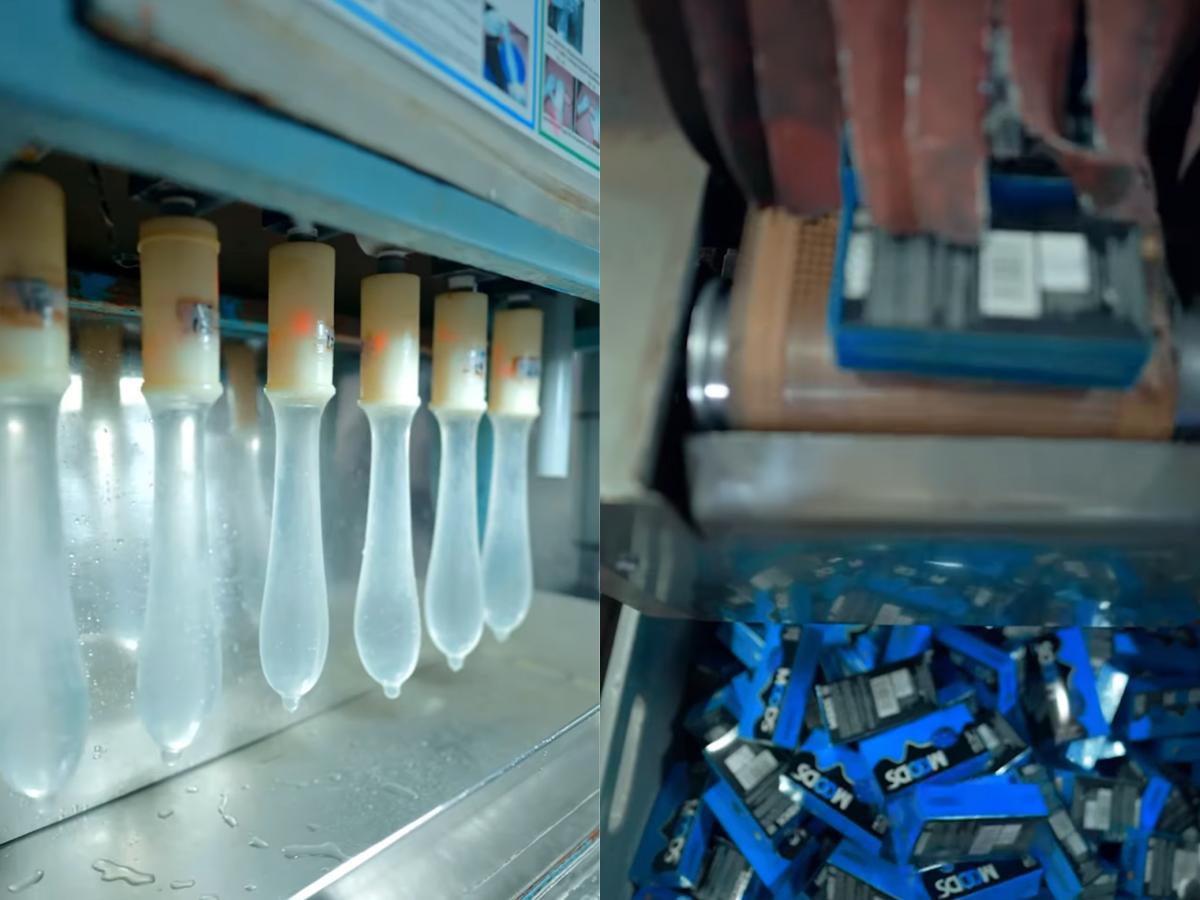
Condom production requires liquid ammonia to stabilize raw latex and prevent it from coagulating before it reaches the dipping tanks. Most of this ammonia is a byproduct of the natural gas industry, heavily concentrated in the Persian Gulf. With nearly 20% of the world’s oil and a massive chunk of its petrochemical feedstock currently stalled or rerouted around the Cape of Good Hope, the cost of ammonia is expected to jump by 40% to 50% within weeks.
Then there is the lubricant. Silicone oil is what makes the product functional. It is a specialized petrochemical derivative, and currently, Indian factory managers are reporting a "huge shortage" that has shifted from a procurement headache to a full-blown existential crisis. When the ships stop moving through the Gulf, the lubricants stop flowing into Indian ports. Without silicone oil, a condom is essentially a useless piece of rubber.
Why Domestic Sourcing Isn't a Shield
A common retort from armchair economists is that India should simply "buy local" or pivot to domestic rubber. This ignores the technical reality of the industry. While India is a major rubber producer, the specific grades of centrifuged latex required for ultra-thin, high-strength condoms require stabilization chemicals that India does not produce in sufficient quantities.
Furthermore, the packaging itself is under fire. The PVC and aluminum foils used to hermetically seal condoms are petrochemical-dependent. As crude-linked feedstocks become volatile, the cost of the wrapper is rising almost as fast as the cost of the contents.
"We are definitely impacted, but we need to assess the extent and depth," says Jatish N Sheth of the Karnataka Drugs and Pharmaceuticals Manufacturers Association.
The "depth" he refers to is the point at which a manufacturer stops making a profit on a government-subsidized product. If it costs more to make a condom than the maximum retail price (MRP) allows, the supply simply vanishes from the shelves.
The Hidden Social Cost
The crisis reaches far beyond corporate balance sheets. In a country of 1.4 billion people, the condom is the most vital tool for both population control and the prevention of HIV/AIDS. Government programs, such as the Mission Parivar Vikas, rely on a steady, cheap supply of millions of units.
When prices spike in the commercial market, demand typically shifts to the free or subsidized government supply. However, if the state-run HLL Lifecare—which produces over 2 billion condoms a year—is also hit by the same raw material shortages, the safety net fails. We are looking at a scenario where "bedroom inflation" leads directly to a spike in unintended pregnancies and a setback in the decades-long fight against STIs.
Shipping Dominoes and Surcharges
The logistics of the 2026 conflict have introduced a "war risk surcharge" that is being passed down the line. Shipping companies are rerouting vessels, adding 10 to 14 days to transit times and roughly $1 million in extra fuel costs per journey. For a low-value, high-volume item like a condom, these freight hikes are devastating.
Unlike semiconductors or high-end electronics, where a $2 price increase can be absorbed by the consumer, a ₹5 increase on a condom pack can be the difference between a sale and a skipped purchase in rural India.
The industry is currently in a defensive crouch. Manufacturers are cannibalizing their existing inventories of raw materials, but those reserves are estimated to last only through the end of the quarter. If the maritime standoff in the Middle East continues, the "condom crunch" will move from a supply chain theory to a public health emergency. The only way to fix it is a radical diversification of the petrochemical supply chain—a process that takes years, not the weeks the industry has left.
Stockpiling has already begun at the distributor level, further tightening the belt for the average consumer.