The United States recently authorized a temporary 60-day sanctions waiver on Iranian crude oil, but Asian refiners are refusing to buy it. This sudden policy shift from Washington allows the production, transport, and sale of Iranian petroleum until August 21, 2026. Yet, instead of sparking an immediate buying frenzy across New Delhi, Tokyo, and Seoul, the market response has been cold. China remains the sole major destination for these barrels. Major Asian refiners have already locked in their crude supplies through August and see little operational or financial sense in upending their supply chains for a short-term geopolitical gamble.
National Iranian Oil Company representatives began quietly contacting Asian buyers even before the US Treasury officially announced the waiver. They offered immediate access to millions of barrels of crude currently sitting on tankers at sea. Proximity makes these barrels attractive on paper, especially for India, where a tanker from Kharg Island can reach domestic ports in less than three days. Proximity, however, cannot overcome the structural inertia of modern refining contracts.
The Tyranny of Term Contracts
Refineries do not buy millions of barrels of oil on a whim. Most major Asian processing plants operate on strict annual term contracts with established suppliers in Saudi Arabia, the United Arab Emirates, and Iraq. These contracts require buyers to lift specific volumes each month. Failing to do so triggers financial penalties and damages long-term commercial relationships.
When the US naval blockade earlier this year disrupted transit through the Strait of Hormuz, Asian refiners did not wait around. They aggressively secured replacement barrels from West Africa, Latin America, and the US Gulf Coast. Consequently, inventories are completely full. Buying Iranian crude right now would mean breaking commitments to other Middle Eastern producers who stepped in during the crisis.
Furthermore, regional oil markets are trading in a market structure known as contango. Prompt deliveries are cheaper than future cargoes, signaling that the immediate physical market has more than enough oil. There is simply no supply emergency pushing refiners to take a risk on Tehran.
The Toxic Legacy of Financial Compliance
The US Treasury waiver permits oil sales and even allows transactions to be settled in dollar-denominated funds, but it leaves the broader financial sanctions architecture untouched. This creates a compliance nightmare for corporate legal departments.
Iranian banks remain disconnected from the global financial system. Settling a trade requires specialized clearing routes that most commercial banks refuse to handle. A compliance officer at an Indian refining company, speaking on the condition of anonymity, explained that processing a single payment under a temporary waiver requires weeks of legal review. If a payment or delivery slips past the August 21 deadline, the purchasing company faces immediate exposure to secondary US sanctions. For a public company answerable to international shareholders, that risk is unacceptable.
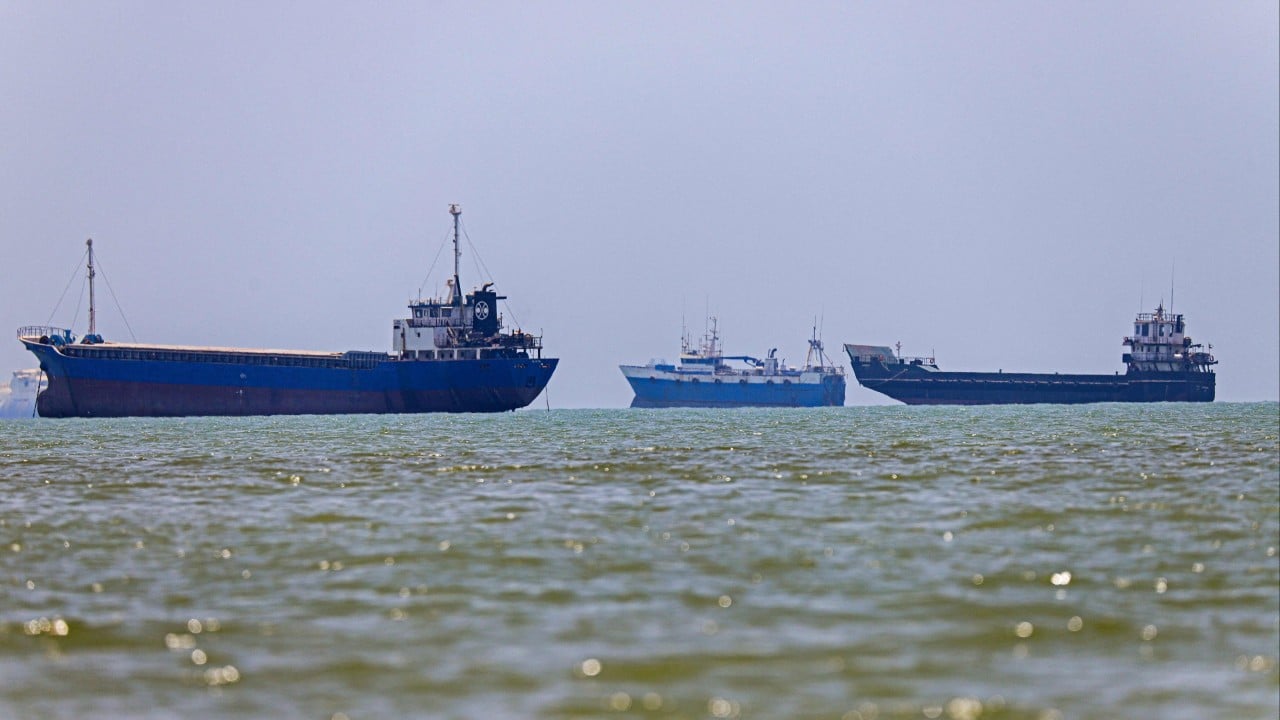
Shipping and logistics present another massive hurdle. Over the past several years, Iranian oil has moved almost exclusively through a network of older, uninsured vessels known as the dark fleet. These ships frequently mask their locations by disabling automatic identification systems and falsifying bills of lading. Major commercial ports in India, Japan, and South Korea maintain strict safety and documentation standards. They are hesitant to allow dark fleet vessels to dock, and reputable maritime insurers refuse to cover hulls carrying cargo associated with these networks. To clean up the paper trail and shift the oil to mainstream tankers takes time that a 60-day window does not afford.
China Independent Refiners Maintain Their Monopoly
While the rest of Asia hesitates, independent refiners in China, often called teapots, continue to absorb Iranian crude without disruption. These private plants in Shandong province operate outside the traditional dollar-based financial system. They utilize local currencies, regional clearing banks, and non-Western insurance providers that are completely insulated from Washington's regulatory reach.
[Image of crude oil refinery distillation columns]
Iranian sellers have briefly paused spot offers to Shandong to calculate delivered prices for other potential Asian buyers, hoping to reduce the steep discounts they traditionally give to Chinese refiners. This pause will likely be short. Without meaningful participation from India or Japan, Iran has no choice but to return to its primary customer. Chinese buyers know they hold all the leverage and will continue to demand deep discounts, keeping Iranian oil profit margins thin despite the official diplomatic opening.
The 60-day reprieve is designed as economic breathing room while wider diplomatic talks proceed in Switzerland. For commercial energy entities, sixty days is merely a blip in an industry that plans by the quarter and the decade. Refiners remember how quickly US policy shifted in 2019 when previous exemptions evaporated overnight, leaving cargo stranded and buyers exposed. Until Washington provides a permanent regulatory framework rather than a fleeting political tool, the global oil trade will treat Iranian crude as a liability.