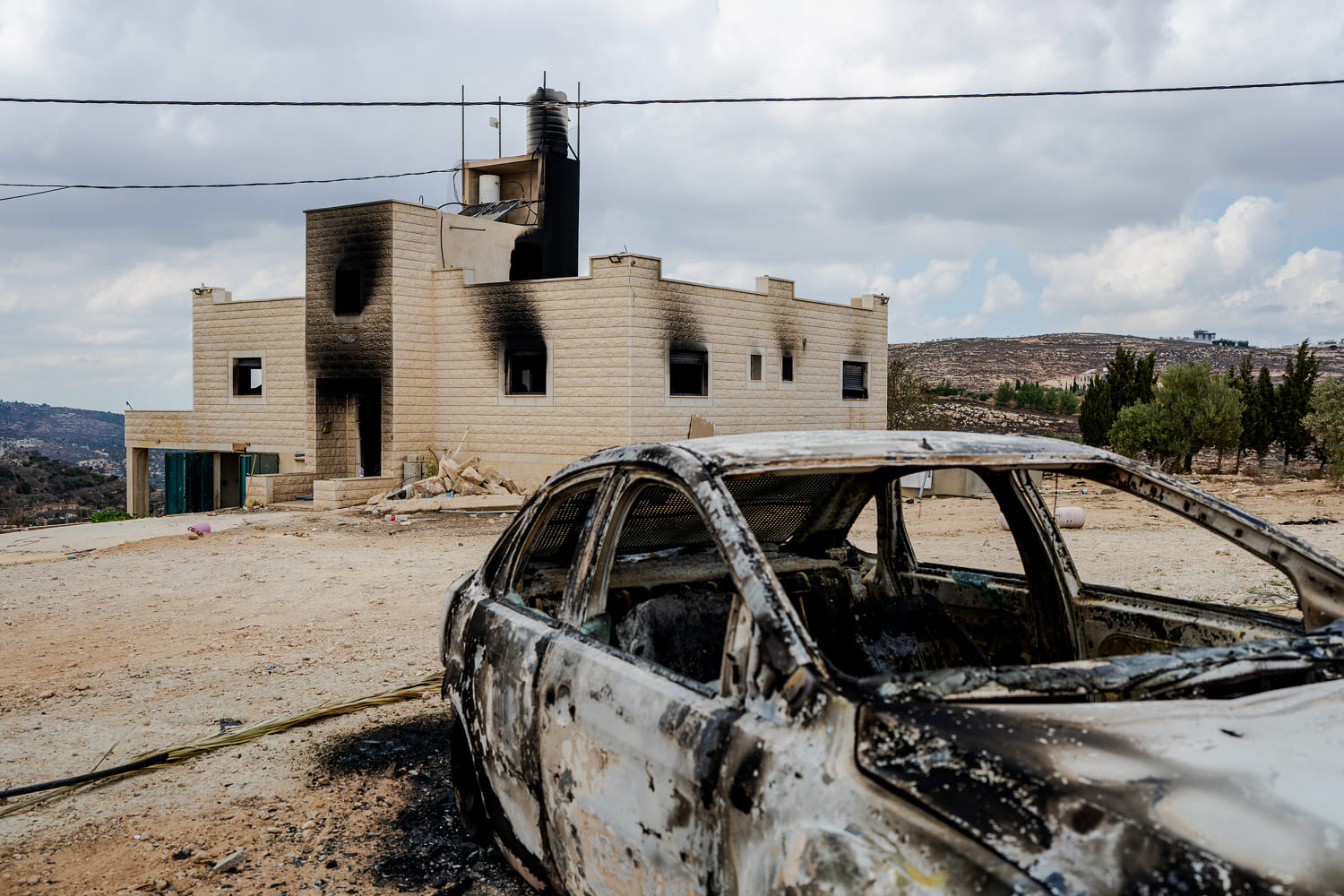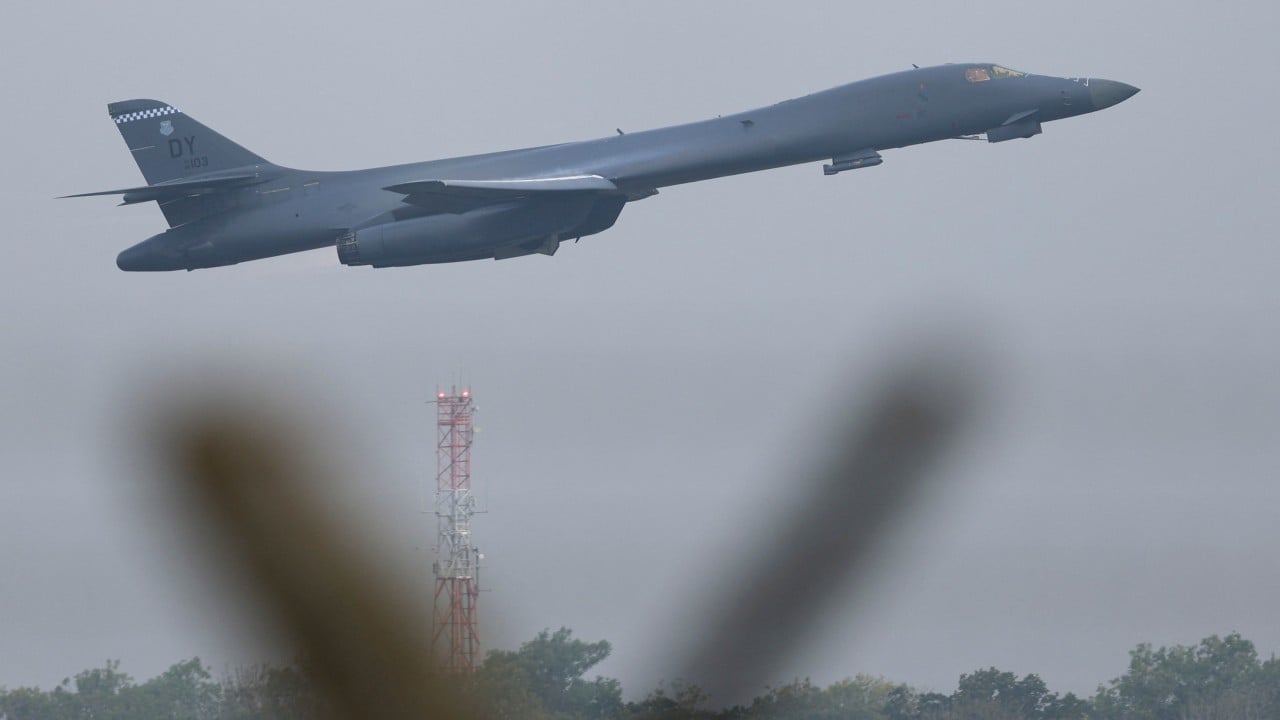
When heavily armed counter-terrorism police locked down a sleepy Gloucestershire village and evacuated dozens of homes, everyone assumed the worst. A major security scare at RAF Fairford—a strategic British airbase heavily utilized by United States forces—sounded like the opening act of a high-stakes international terror plot. Politicians rushed to point fingers at foreign actors, media outlets flashed breaking news banners, and public anxiety spiked.
Then investigators looked inside the seized vans. They didn't find sophisticated timing devices, bomb-making components, or hidden detonators. They found petrol. Just ordinary fuel. Meanwhile, you can read other developments here: Measuring Seabird Resilience Why English Tern Populations Are Stabilizing.
That anti-climactic discovery turned a terrifying national security crisis into an absolute puzzle. Why did a fleet of vans carrying common fuel trigger a massive counter-terrorism lockdown near a high-security military installation?
The Anatomy of a High-Stakes False Alarm
Panic moves fast, especially when global tensions are already simmering. RAF Fairford isn't just any runway. Its strategic importance makes it a frequent focal point for military operations, drawing intense geopolitical scrutiny. When security forces receive a tip or notice suspicious behavior near a sensitive perimeter, they can't afford to hesitate. To understand the bigger picture, check out the recent report by The Guardian.
Local residents in nearby Whelford found themselves abruptly displaced as armed cordons went up. Officials treated the situation as an imminent threat, arresting multiple individuals under suspicion of involvement in a planned attack plot. High-ranking political figures immediately weighed in, floating theories about foreign interference and state-sponsored sabotage.
Yet, the physical evidence flatly refused to match the catastrophic narrative. British police confirmed that no improvised explosive devices existed anywhere near the scene. The suspects were subsequently released on bail, leaving analysts and the public wondering how a routine transport of fuel morphed into an international incident.
The Gap Between Intent and Incompetence
When a terror plot evaporates into a container of petroleum, you are left with two uncomfortable possibilities. Either a sophisticated operation went sideways at the last second, or the authorities overreacted to something entirely mundane.
Intelligence operations rarely broadcast their intentions, but counter-terrorism units operate under strict legal thresholds. Releasing suspects swiftly after a major sweep usually indicates that the evidentiary burden for a terror charge simply wasn't met. It turns out that fuel theft, rural black-market diesel skimming, or sheer staggering incompetence look remarkably alarming when viewed through the lens of modern base security.
Criminals operating in rural areas frequently use unmarked vans and makeshift containers to siphon fuel from agricultural machinery or commercial depots. If you stumble onto the wrong fence line while trying to pull off an illicit fuel run, you might accidentally spark a multi-agency counter-terrorism response.
Why Geopolitical Posturing Overshadows Reality
The modern news cycle hates a boring explanation. When leaders suggest foreign state involvement, the narrative locks into place. Admitting that a high-profile military lockdown might have been triggered by low-level fuel thieves or a massive miscommunication doesn't generate the same gravity.
International relations are fragile. Every security breach near a joint US-UK installation gets filtered through the prism of global proxy conflicts. Officials are incentivized to treat every anomaly as an existential threat until proven otherwise. But rushing to judgment creates a dangerous feedback loop where public fear outpaces hard evidence.
We need to get comfortable with ambiguity. Not every suspicious vehicle parked near a fence line signals the collapse of international order. Sometimes, people are just remarkably foolish, and the police machine is simply doing its job by checking every worst-case scenario.
Keep an eye on how security protocols adapt after this mess. The real takeaway isn't about foreign agents or phantom bombs. It's about how quickly a mundane operational blunder can hijack global headlines.
RAF Fairford Theory EXPOSED as Police Issue Update
This video provides an in-depth breakdown of the unfolding police investigation and the peculiar details surrounding the RAF Fairford security incident.