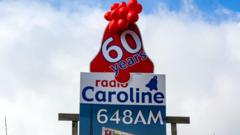
The moral panic is deafening. Radio Caroline commits a grave broadcasting sin by mistakenly reading a bulletin about the King's death, and the chattering classes lose their collective minds. Ofcom swoops in like an offended schoolmarm. The lazy consensus writes itself: pirate radio heritage acts are losing their grip, elderly presenters are prone to senior moments, and regulatory oversight is the only thing standing between the public and total informational chaos.
Nonsense. Read more on a related subject: this related article.
Every pearl-clutcher in the media establishment is missing the forest for a very small, harmless tree. This incident was not a failure of broadcasting standards. It was a masterclass in unintentional disruption that exposed the brittle absurdity of legacy media protocols. I have spent decades watching corporate newsrooms syndicate identical, pre-packaged obituary packages months before anyone actually dies, all while hiding behind institutional caution. Radio Caroline made a human error on a vintage format, and the entire edifice of modern media gatekeeping felt threatened.
Good. Further reporting by Associated Press delves into similar perspectives on this issue.
The Myth Of Bulletproof Institutional Accuracy
Let us dismantle the core premise driving the Ofcom investigation: that legacy broadcasters maintain accuracy through rigorous, infallible systems.
They do not. The modern news cycle is an automated meat grinder driven by speed, click quotas, and syndicated wire copy. Major networks maintain cold storage obituaries for every public figure on earth, constantly updated and pre-loaded into content management systems with a single "publish" button standing between a draft and a national panic. When media behemoths botch a death announcement—and they do, with alarming regularity—it is systemic, cold, and calculated for market share.
When a heritage station like Radio Caroline stumbles, it is raw. It is analog. It lacks the corporate polish that hides calculated negligence behind a wall of PR handlers.
Ofcom exists to police the illusion of control. Bureaucrats sitting in air-conditioned offices need to justify their budgets by slapping wrists over phantom harms. Who was actually injured by this broadcast? Did society grind to a halt? Did the economy fracture? No. A handful of compliance officers clutched their clipboards tighter and worried about their KPIs.
The Anatomy Of A Compliance Trap
Let us look at how the regulatory machine works. When an independent station steps out of line, the standard industry playbook demands immediate groveling, an internal inquiry, and a public relations sacrifice.
Radio Caroline did something far more dangerous: they existed outside the sanitized parameters of modern corporate audio.
Imagine a scenario where every single commercial radio station in the country operated with the same organic vulnerability as a maritime heritage broadcaster. The shock wouldn't destroy the medium; it would save it. Corporate radio is dying of terminal boredom. Every playlist is test-marketed to death. Every news bulletin is scrubbed of personality, edge, or local flavor until it sounds like an automated text-to-speech reader programmed by a committee of risk-averse legal interns.
When a mistake happens in that kind of environment, it feels monumental because the baseline is so aggressively sterile. We have traded authenticity for safety, and we wonder why audiences are tuning out in droves.
Why The Establishment Fears The Slip-Up
The real reason the media establishment is foaming at the mouth over Radio Caroline is not respect for the monarchy. It is fear of human agency.
Automation has stripped radio and television of its live wire. Everything is delayed, censored, vetted, and sanitized. Producers live in terror of the seven-second delay. Talent is media-trained until their opinions resemble press releases. In this sanitized wasteland, a genuine flub—a real person reading words into a microphone without a legal shield battalion reviewing every syllable—acts like a lightning strike.
It reminds the audience that humans are still running the board.
Ofcom’s ruling sends a chilling message to independent operators: stay inside the narrow, automated corporate lane, or face the bureaucratic wrath. That is not public protection. That is regulatory capture designed to protect homogenized networks from authentic competition.
The Uncomfortable Truth About Live Broadcasting
Let us address the elephant in the room. Live broadcasting is inherently risky. The moment you remove the safety net of tape-delay and automated fail-safes, you invite chaos.
Most people claim they want authentic media, but the second an actual mistake occurs, they demand heads on pikes. This cognitive dissonance fuels the endless cycle of corporate sanitization. If you want risk-free radio, you are asking for podcasts that have been scrubbed by three lawyers and an AI filter. You are asking for dead air wrapped in a slick jingle.
Radio Caroline’s blunder reminds us that real broadcasting has consequences, stakes, and heartbeat. They didn't commit a crime against humanity; they reminded us what happens when humans occupy a studio instead of algorithms.
Stop demanding perfection from a medium built on spontaneity. Stop pretending that a regulatory slap on the wrist accomplishes anything other than feeding the bloated ego of media compliance departments.
The next time an independent station breaks the rules by simply being human, don't demand an apology.
Buy them a drink.
:max_bytes(150000):strip_icc()/ar-American-Cheese-taste-test-horizon-4x3-54cc339550cd44b9a818c17bdfd5428d.jpg)