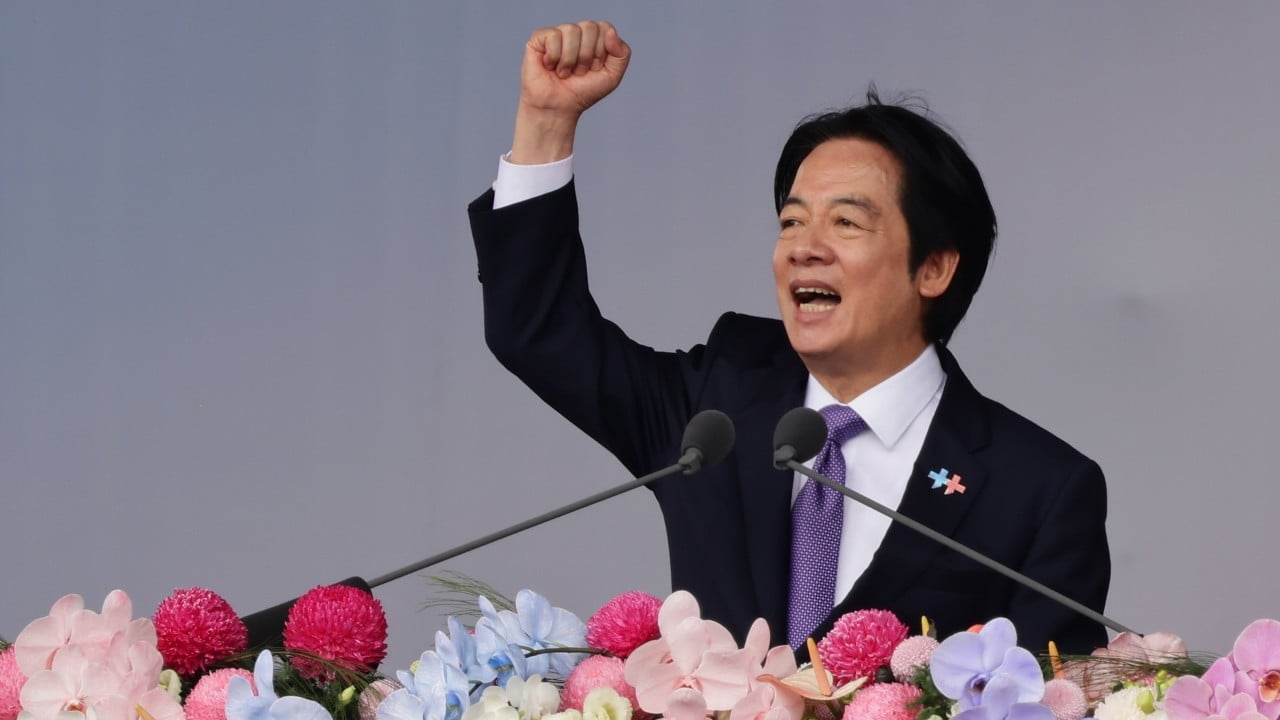
Taiwanese officials are offering a public welcome to high-level diplomatic talks between Washington and Beijing, masking a deep, growing anxiety in Taipei over what major powers might trade away behind closed doors. As leaders converge on the APEC summit, Taipei's official stance is one of measured optimism—insisting that any channel reducing the risk of kinetic conflict is inherently positive. Beneath that diplomatic polish, however, veteran national security analysts and insiders understand the brutal reality of great power bargaining. When superpowers talk about risk reduction, smaller democracies often find themselves treated as chips on the table rather than participants at the summit.
For decades, the architecture of cross-strait stability relied on a delicate fiction. Washington maintained strategic ambiguity, Beijing muttered constant threats of reunification, and Taipei built an economic powerhouse anchored by advanced semiconductor manufacturing. That architecture is now groaning under the weight of transactional diplomacy. When the White House prioritizes direct deals with Beijing to manage global flashpoints, deterrence erodes. The official welcoming statements issued from Taipei are not signs of genuine comfort; they are defensive maneuvers designed to keep Washington engaged while avoiding the appearance of being an obstacle to peace. Building on this theme, you can also read: Why India is Terrified of the Cockroach Movement.
The mechanics of this diplomatic tightrope walk reveal a profound vulnerability. Taiwan's leadership knows that direct conversations between American and Chinese heads of state can just as easily codify spheres of influence as they can defuse tension. If Washington signals a willingness to scale back military exercises, delay critical arms packages, or soften its rhetorical backing in exchange for short-term concessions on trade or global conflicts, Taipei absorbs the security deficit. The risk of war does not necessarily drop when superpowers talk; it merely shifts into political coercion that happens out of sight.
Consider the historical precedent of great power summits where peripheral allies were unrepresented. Agreements born from bilateral expediency between rival empires frequently store up structural violence for the future. Beijing views Taiwan not merely as a territorial dispute, but as an existential core interest, while Washington views it through the lens of global hegemony and technological supply chains. When these two imperatives clash directly in a summit room, the smaller entity caught in the middle has very few options left other than to smile publicly and prepare privately. Observers at Reuters have also weighed in on this matter.
The local political landscape in Taiwan reflects this underlying friction. While the ruling administration tries to project alignment with Western allies, opposition voices increasingly advocate for direct dialogue with Beijing, creating a fractured internal front that China exploits through systematic economic pressure and gray-zone tactics. Beijing's strategy does not require an immediate amphibious invasion to succeed; it relies on wearing down public confidence in Taipei until resistance feels futile. Every time Washington and Beijing hold high-profile summits that push Taiwan to the periphery of its own future, that psychological erosion accelerates.
Behind the carefully choreographed handshakes and communiqués about regional stability, the raw math of deterrence remains unchanged. Words spoken in summit halls cannot replace delayed defense shipments, nor can diplomatic pleasantries neutralize the daily pressure of military drills crossing the median line. Taipei welcomes the talks because refusing to do so would isolate the island diplomatically. Yet, the governing reality in the strait is that true security is never handed down as a gift from a superpower meeting; it is forged through unyielding preparation and the cold refusal to be traded away.