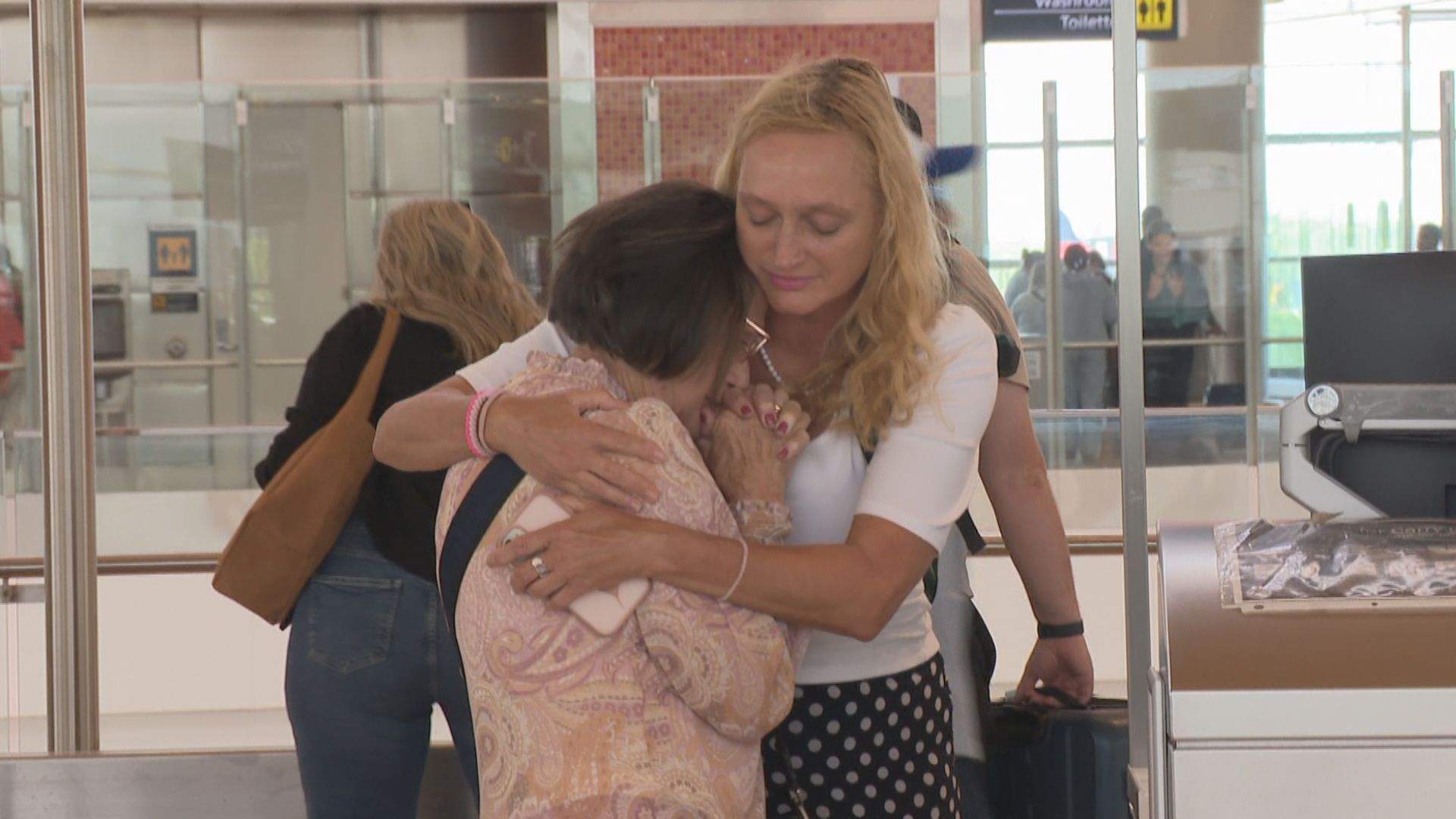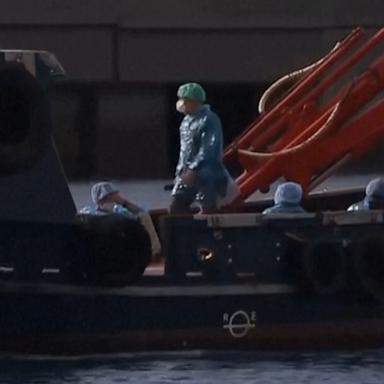
The disembarkation of five passengers from the MV Hondius in Argentina marks the beginning of a complex logistical and medical standoff rather than its resolution. After a suspected outbreak of hantavirus—a rare and often lethal respiratory pathogen—the vessel was anchored in a state of purgatory. While the initial movement of people suggests progress, it masks a deeper failure in maritime health protocols for expedition cruising. The MV Hondius is not a standard Caribbean fun-ship; it is a reinforced vessel designed for the most remote corners of the Earth, where the nearest ICU is often thousands of miles away.
Hantavirus is a brutal adversary for any closed environment. Unlike common seasonal viruses, it carries a high mortality rate and is typically transmitted through contact with rodent droppings or urine. Its appearance on a polar expedition vessel raises immediate, uncomfortable questions about supply chain integrity and the sanitation standards of the ports serving the Antarctic corridor.
The Breach in the Antarctic Bubble
Expedition cruising sells the dream of untouched wilderness. To maintain that dream, the ships must operate as sealed biospheres. When a pathogen like hantavirus enters the equation, that seal has been fundamentally broken. The "why" behind this incident likely traces back to the shoreside facilities or the provisioning process in southern ports.
Rodents are opportunistic. They follow the food. If grain, dry goods, or equipment stored in local warehouses became infested, the virus could easily have been hitching a ride in a shipping container long before the first passenger stepped onto the gangway. This isn't just a streak of bad luck. It is a reminder that even the most advanced vessels are tethered to the terrestrial realities of the ports they frequent.
The five passengers allowed to leave were reportedly those showing no symptoms or those who met strict criteria for early release, but their departure does not lower the risk for the hundreds remaining on board. In fact, it creates a tiered system of isolation that can erode morale and complicate the ship's internal management.
Why Hantavirus Changes the Stakes
Most cruise ship outbreaks involve Norovirus. It is messy, unpleasant, and highly contagious, but it rarely kills healthy adults. Hantavirus is different. It causes Hantavirus Pulmonary Syndrome (HPS), a condition where the lungs fill with fluid, leading to severe respiratory distress.
- Incubation Period: The virus can remain dormant for one to eight weeks.
- Transmission Risks: While person-to-person spread is extremely rare for most strains, the confined air systems of a ship create a high-stress environment for monitoring.
- Medical Limitations: An expedition ship has a small clinic. It does not have a pulmonary ward equipped with ventilators for a mass casualty event.
The decision to anchor the MV Hondius rather than allow a full disembarkation is a defensive move by port authorities who are terrified of a localized outbreak. They are weighing the lives of those on the ship against the potential introduction of a foreign viral strain into the mainland population. It is a cold, mathematical calculation.
The Logistics of a Floating Infirmary
Operating a quarantined ship is an exercise in controlled chaos. The crew must transition from hospitality workers to frontline medical support almost overnight. Every meal served and every hallway cleaned becomes a tactical operation involving Personal Protective Equipment (PPE) and medical-grade disinfectants.
The MV Hondius, owned by Oceanwide Expeditions, is a modern vessel, but no amount of engineering can bypass the need for human intervention. When a ship is stuck in a holding pattern, fuel consumption remains high to keep power and air filtration running. Food supplies begin to dwindle. The psychological toll on passengers—many of whom paid upwards of $15,000 for a "once in a lifetime" trip—starts to manifest as agitation and legal threats.
Insurance companies are also watching this closely. Most standard travel insurance policies have specific clauses regarding "quarantine at sea." If the ship's operator is found to have been negligent in their provisioning or pest control, the liability could reach into the tens of millions.
Accountability in the Expedition Industry
The expedition market has exploded in recent years. More ships are heading to the Antarctic than ever before, putting immense pressure on the small ports of Ushuaia and Punta Arenas. This rapid expansion often outpaces the development of health and safety infrastructure.
We are seeing the limits of the "Antarctic Bubble." The industry relies on the assumption that the extreme cold and isolation act as a natural barrier to disease. This incident proves that the greatest threat to polar travel isn't the ice or the weather; it is the biological baggage we bring with us from the inhabited world.
Authorities must now conduct a forensic audit of the ship’s recent movements and its supply chain. They need to find the "Patient Zero" of the rodent infiltration. Was it a pallet of fresh produce from a local market? Was it a piece of gear returned from a shore excursion? Without these answers, every other ship in the region is potentially at risk.
The Financial Fallout for Oceanwide
Oceanwide Expeditions is a veteran in this space, known for rugged, educational trips. However, a hantavirus tag is a branding nightmare. Unlike a mechanical failure or a weather delay, a viral outbreak suggests a lack of fundamental cleanliness, whether that assessment is fair or not.
The cost of this delay includes:
- Port Fees: Daily anchoring and service fees in South American waters are astronomical.
- Repatriation: Organizing private charters for cleared passengers.
- Future Cancellations: The "Hondius" name is now tied to a lethal virus in search engine results, which will decimate bookings for the next two seasons.
This isn't just about five people getting off a boat. It is about the fragility of a high-end industry that operates on the edge of the map.
The Next Phase of the Standoff
As the remaining passengers wait, the focus shifts to the local health ministry's next move. They are under pressure to clear the ship, but they cannot risk a public health disaster on land. The five passengers who left were the "easy" cases. The real challenge lies with those who may be in the incubation phase.
Testing for hantavirus is not as simple as a rapid COVID swab. It requires specialized laboratory analysis that often isn't available in remote port towns. This means samples must be flown to major cities, adding days to the waiting period. Every day of delay increases the risk of a secondary medical emergency on board—one that might have nothing to do with the virus but is complicated by the quarantine status.
The maritime industry needs a standardized protocol for high-mortality viral threats. Currently, the response is reactive and dictated by the whims of local politicians and port captains.
Ship owners must invest in more than just luxury linens and gourmet chefs. They need to invest in advanced diagnostic equipment and rigorous, third-party audited supply chains that guarantee a rodent-free environment from the farm to the galley. The era of assuming the cold will keep us safe is over. The MV Hondius is a loud, clear warning that the wilderness is no longer a shield.
Passengers planning a polar voyage should look past the glossy brochures and start asking hard questions about the ship's medical capabilities and their contingency plans for isolation. If the answer is "we'll wait for instructions from the port," it might be time to find a different operator.
The safety of the crew and the remaining passengers depends entirely on the transparency of the investigation. If the source of the hantavirus is buried to protect the reputation of the port or the cruise line, a repeat performance is inevitable.
Rigorous sanitation is the only way forward.