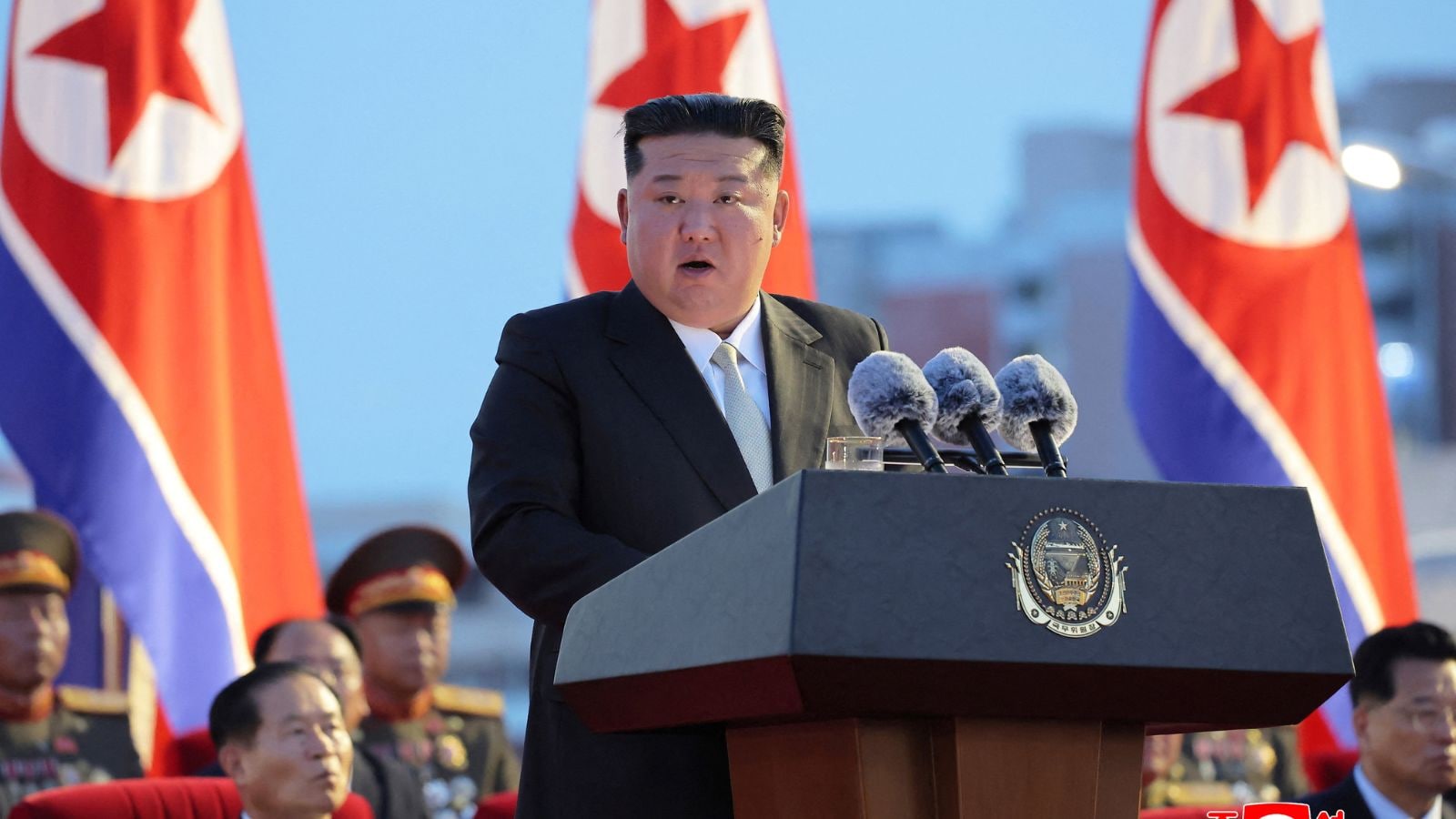
Diplomacy often moves at the speed of a glacial drift, punctuated by rare moments of stark, transactional clarity. When North Korean leader Kim Jong Un dispatched a personal birthday letter to Russian President Vladimir Putin expressing invariable support, observers in Western intelligence capitals did not read it as a mere diplomatic courtesy. They read it as a ledger of mutual desperation and strategic alignment.
Decades of shifting geopolitics have created strange bedfellows, but few partnerships match the current convergence between Pyongyang and Moscow. Both nations face unprecedented economic isolation from Western democracies. Both maintain massive, militarized industrial bases built for protracted conflict. And both see absolute utility in exploiting each other's immediate vulnerabilities.
To understand why this bilateral relationship has accelerated from quiet acquiescence to an overt military and diplomatic embrace, one must look past the flowery language of state-run media. The modern alignment is forged out of artillery shells, ballistic missile technology, and sanctions evasion on a global scale.
The Currency of Artillery
For months, foreign intelligence agencies have tracked the steady stream of cargo vessels moving between North Korean ports and Russian facilities. The commodity in highest demand is not ideology; it is conventional munitions.
Russia's war in Ukraine has consumed artillery rounds at a rate that domestic factories struggled to match during the initial phases of the conflict. North Korea sits atop vast stockpiles of Soviet-standard ammunition, maintained across decades of permanent mobilization. By funneling millions of shells and tactical rockets to the front lines, Pyongyang has secured a vital lifeline of hard currency, raw materials, and potentially crucial aerospace technology transfers from Moscow.
This exchange violates multiple United Nations Security Council resolutions, many of which Russia itself originally voted to approve. Yet, Moscow's calculus has shifted. With its veto power at the UN and its willingness to bypass international norms, Russia no longer views non-proliferation compliance as a diplomatic priority.
Breaking the Diplomatic Quarantine
For North Korea, the partnership offers something equally valuable: a permanent seat at the table of a major global power. For years, Pyongyang was treated as a pariah state, occasionally pulled into multilateral talks only to be isolated again when negotiations stalled.
Now, regular high-level exchanges between Russian and North Korean ministers provide Kim Jong Un with diplomatic cover. Moscow's willingness to veto further sanctions monitoring at the United Nations effectively shields North Korea's illicit nuclear and missile programs from international oversight. In return, Pyongyang offers unwavering political backing for Russian foreign policy, echoing Kremlin talking points on global stages and standing virtually alone in legitimizing territorial annexations.
The Technological Quid Pro Quo
The deeper anxiety among Western military analysts lies in what Russia might be providing behind closed doors. North Korea's satellite launch program has experienced repeated failures, and its reentry vehicle technology for intercontinental ballistic missiles remains imperfect.
Assistance from Russian aerospace engineers could close those engineering gaps rapidly. If Moscow shares advanced guidance systems, submarine propulsion designs, or satellite telemetry expertise, the security calculus across the Indo-Pacific changes overnight. Regional allies such as South Korea and Japan now face a northern neighbor not just testing rudimentary rockets, but potentially refining a survivable nuclear triad backed by foreign technical prowess.
The Limits of Convenience
Despite the public displays of solidarity, this axis remains transactional rather than fraternal. Historical mistrust between the Soviet Union and North Korea runs deep, rooted in periods where Moscow normalized relations with Seoul or scaled back economic aid to court Western approval.
Neither capital views the other as a permanent guarantor of security. Instead, they recognize a temporary convergence of interests driven by confrontation with the United States and its allies. As long as economic sanctions remain ironclad and the conflict in Ukraine persists, the partnership will endure.
The birthday greetings and pledges of invariable support are symptomatic of a fractured global order where rules are discarded in favor of raw leverage. Pyongyang and Moscow have found in each other a blunt instrument to challenge the post-Cold War security architecture, leaving neighboring states to brace for the fallout of a deeply transactional alliance.