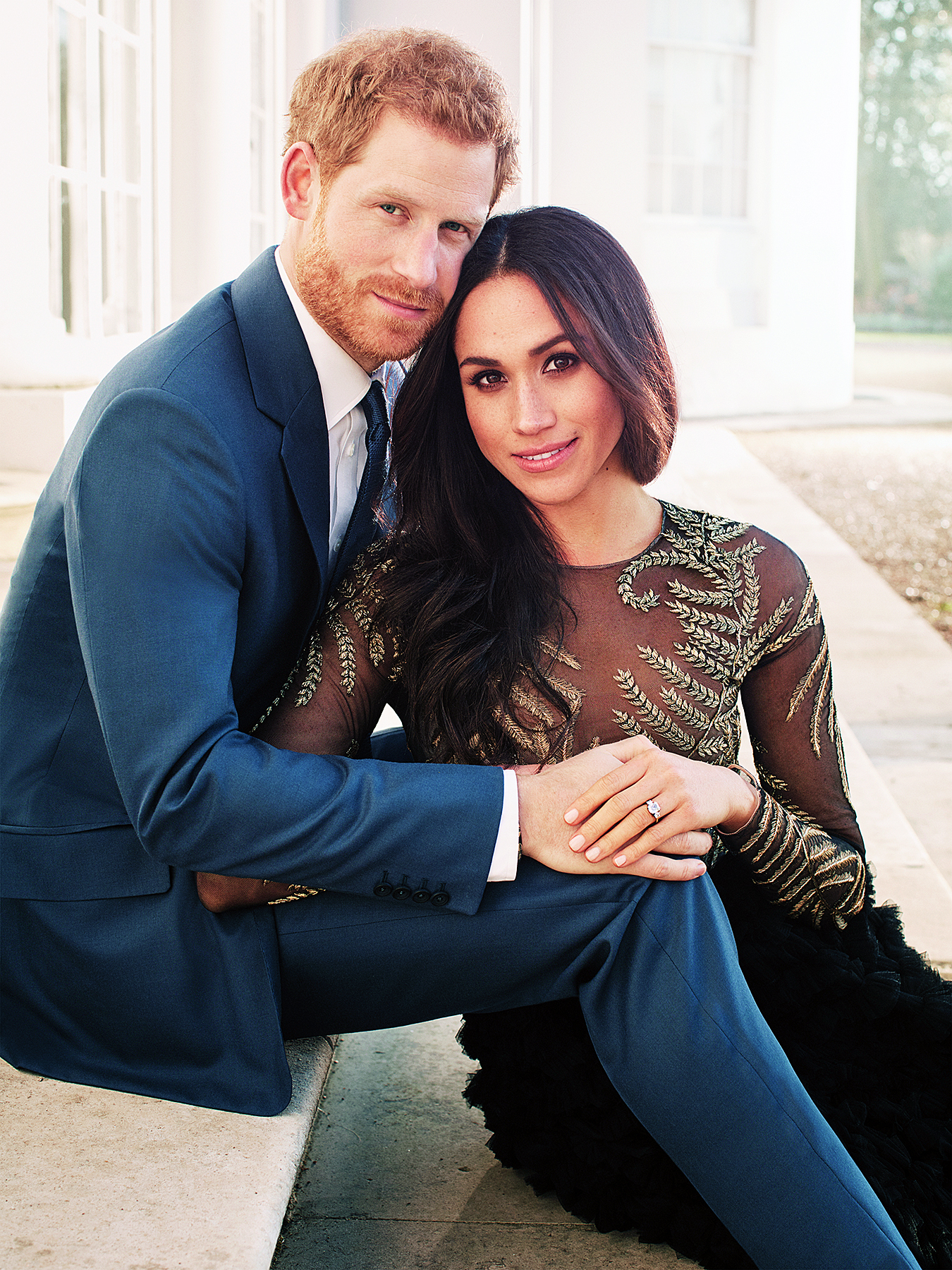
Every return to British soil carries the weight of an unexploded ordinance. When Prince Harry and Meghan Markle step back across the threshold of the United Kingdom, the public narrative instantly splits into two irreconcilable camps. One side sees the prodigal royals returning to face the music of their own making. The other sees a targeted campaign orchestrated by institutional handlers determined to punish those who broke the mold. But beneath the tabloid frenzy and the predictable choreography of airport arrivals, something far more structural is happening. The British media apparatus and the House of Windsor operate a machinery of memory that refuses to forgive or forget departure.
Understanding why these brief homecomings trigger national hyperventilation requires looking past the surface theater. The friction is not merely about family drama or hurt feelings between siblings. It is about a clash between modern personal branding and an ancient corporate institution that treats independence as an existential threat. When a senior member walks away from the firm, they do not just leave a job. They puncture the illusion of divine continuity that sustains the crown.
The Anatomy of an Institutional Shield
The British monarchy survives through a strict division of labor and a carefully managed aura of untouchability. For centuries, the institution has relied on a symbiotic relationship with the national press. Fleet Street gets its daily supply of human interest copy, and the palace retains editorial influence over how its members are framed.
When Harry and Meghan chose to exit that ecosystem, they disrupted the balance of power. By establishing an independent base in California, they proved that royal status could be monetized without the sanction of the Sovereign Grant or the daily oversight of royal communications teams. That independence remains unforgivable to the traditional gatekeepers. Every visit back to London forces the institution to confront a glaring reality. The corporate brand no longer holds a monopoly on public attention.
The press coverage surrounding any British appearance by the Duke and Duchess of Sussex follows a predictable template. First comes the speculation over security arrangements and whether invitations were extended or withheld. Then arrives the analysis of body language, down to the angle of a glance or the stiffness of a handshake. Finally, commentators debate the cost to the British taxpayer, ignoring the reality that private security disputes are dictated by Home Office protocols rather than personal whims.
The Economics of Grievance
Public fascination with the Sussexes relies heavily on conflict. Outrage drives traffic, and traffic drives advertising revenue. The media ecosystem has a vested interest in keeping the feud alive because reconciliation would kill the golden goose. A quiet, amicable reintegration offers no dramatic tension.
Consider how the narrative shifts the moment they land. Every charity event or public appearance is filtered through the lens of potential provocation. If they attend an event honoring veterans, critics accuse them of upstaging working royals. If they stay away, critics accuse them of snubbing the British public. This double bind is manufactured with surgical precision.
The economic reality behind the coverage reveals a harsh truth. The Sussex brand and the royal family are locked in a zero-sum game for global attention. Every headline dedicated to an Archewell initiative competes directly with the Waleses' philanthropic output. The institution cannot afford for independent royal philanthropy to look more dynamic or relevant than the official state-sanctioned version.
Shifting Public Sentiment
Public fatigue is real, though media executives refuse to acknowledge it. A growing segment of the younger demographic views the ongoing soap opera with indifference rather than anger. They see two wealthy individuals carving out a life abroad while an aging institution struggles to justify its multi-million-pound subsidies in the middle of a cost-of-living crisis.
Yet, the older demographic and the entrenched royal correspondents remain deeply invested in the drama. For them, loyalty to the crown requires active hostility toward those who stepped outside the lines. This creates a polarized echo chamber where nuance is entirely absent.
The palace understands this dynamic well. Silence remains their most effective weapon. By refusing to dignify provocative headlines with official statements, the institution lets the tabloid machinery do the heavy lifting. The message to any future internal dissidents is clear. Step out of line, and the system will ensure your returns are met with a wall of frost and scrutiny.
The next chapter of this ongoing saga will not be decided by dramatic reconciliations or explosive interviews. It will be ground down by time, public exhaustion, and the slow, inevitable evolution of a monarchy trying to secure its relevance in a century that cares very little for ancient grievances.