Brunei just shook up its entire political hierarchy.
Sultan Hassanal Bolkiah, the world’s longest-reigning living monarch, announced a massive cabinet reshuffle. The biggest headline coming out of Bandar Seri Begawan isn't the restructuring of the economy. It's the promotion of his 34-year-old son, Prince Abdul Mateen, to the position of foreign minister.
If you only know Prince Mateen from your Instagram feed, you're missing the entire point of this move.
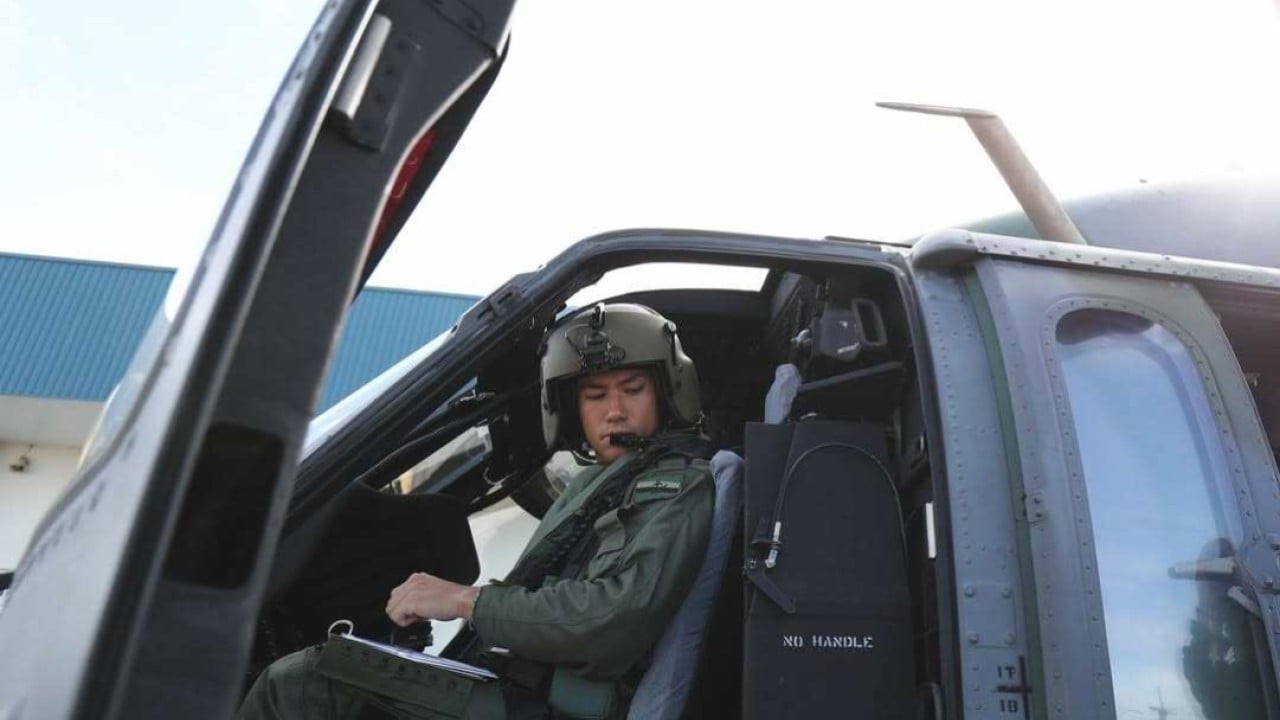
Western tabloids love to hyper-focus on his military helicopter credentials, his international polo matches, and his three million social media followers. They treat him like a Hollywood celebrity who accidentally stumbled into a diplomatic passport. That's a massive misunderstanding of how Southeast Asian monarchies operate. This appointment isn't a vanity project. It's a calculated, deliberate play for generational succession and economic survival.
The Real Power Shift in the Sultanate
To understand why this matters, look at the timing. The Sultan is 79. He underwent knee replacement surgery earlier this year and his public appearances have slowed down noticeably. For a long time, the Sultan held the foreign minister portfolio himself. By passing this specific torch to Prince Mateen, the monarchy is explicitly telegraphing its future to the global community.
Don't confuse this with a change in the direct line of succession. Crown Prince Al-Muhtadee Billah, 52, remains the heir apparent and keeps his position as Senior Minister at the Prime Minister's Office. Another brother, Prince Abdul Malik, just took his first cabinet role in the Prime Minister's Office too.
What we're seeing is the construction of a youthful, modern armor around the traditional throne. The Sultan is distributing executive weight to his sons while he still has the authority to guide them.
Behind the Instagram Persona
The internet knows Mateen as the photogenic prince who had a lavish ten-day royal wedding to Anisha Rosnah in 2024. They know him as the doting father to a newborn daughter born in February 2026. But behind the lifestyle content lies a resume tailored for international relations.
- The Academic Grounding: He holds a degree in International Politics from King's College London and a Master's degree in International Studies and Diplomacy from SOAS, University of London.
- The Military Cred: He isn't a ceremonial officer. He's a Lieutenant Colonel in the Special Forces Regiment, a trained Royal Brunei Air Force helicopter pilot, and earned his parachute wings training alongside British troops.
- The Diplomatic Reps: For years, Mateen has served as his father’s shadow at major global events. Whether it's sitting in on grueling ASEAN summits or representing the palace at foreign royal weddings, he has already done the networking that most new foreign ministers spend years trying to build.
When he walks into a summit room now, he isn't a new face. The regional players already know him.
Surviving an Energy Crisis
Brunei is a tiny, oil-rich nation on the island of Borneo. It relies almost entirely on crude oil and natural gas exports to fund its generous social safety net. Right now, global energy markets are highly volatile, impacted heavily by the ongoing US-Israeli conflict with Iran.
On paper, Brunei is actually benefiting from the spike in oil prices. Exports are up. But internally, the country is facing a quiet crisis. Keeping domestic fuel prices artificially low through heavy government subsidies is burning a massive hole in the national budget. The government even had to implement rules barring foreign vehicles from entering the country unless their tanks are at least three-quarters full to stop fuel smuggling.
Mateen’s job isn't just about attending state dinners. He has to balance Brunei's traditional neutrality with the urgent need to secure new trade alliances. He is entering office alongside a brand-new Ministry of Economy, Trade, and Industry. His chief diplomatic objective will be driving the economic diversification goals of Wawasan Brunei 2035—the country’s blueprint to survive a post-oil future.
What Happens Next
If you are tracking Southeast Asian geopolitics, watch how Prince Mateen handles his first solo multilateral engagements. He won't be hiding behind his father's shadow anymore.
Pay close attention to how he coordinates with Second Minister of Foreign Affairs Erywan Yusof. Yusof is a seasoned career diplomat who understands the bureaucratic machinery of statecraft inside out. The pairing is deliberate: Mateen brings the royal authority and global star power, while Yusof provides the institutional memory.
Watch for Brunei to pivot toward aggressive digital economy partnerships and green energy transitions in the coming months. The era of the passive, oil-insulated island state is ending, and the helicopter-flying prince is the one tasked with navigating the turn.



:max_bytes(150000):strip_icc()/how-many-types-of-dwarfism-are-there-2860725-v1-8dae2c531b4b47d9ae36ae404d3308a0.png)