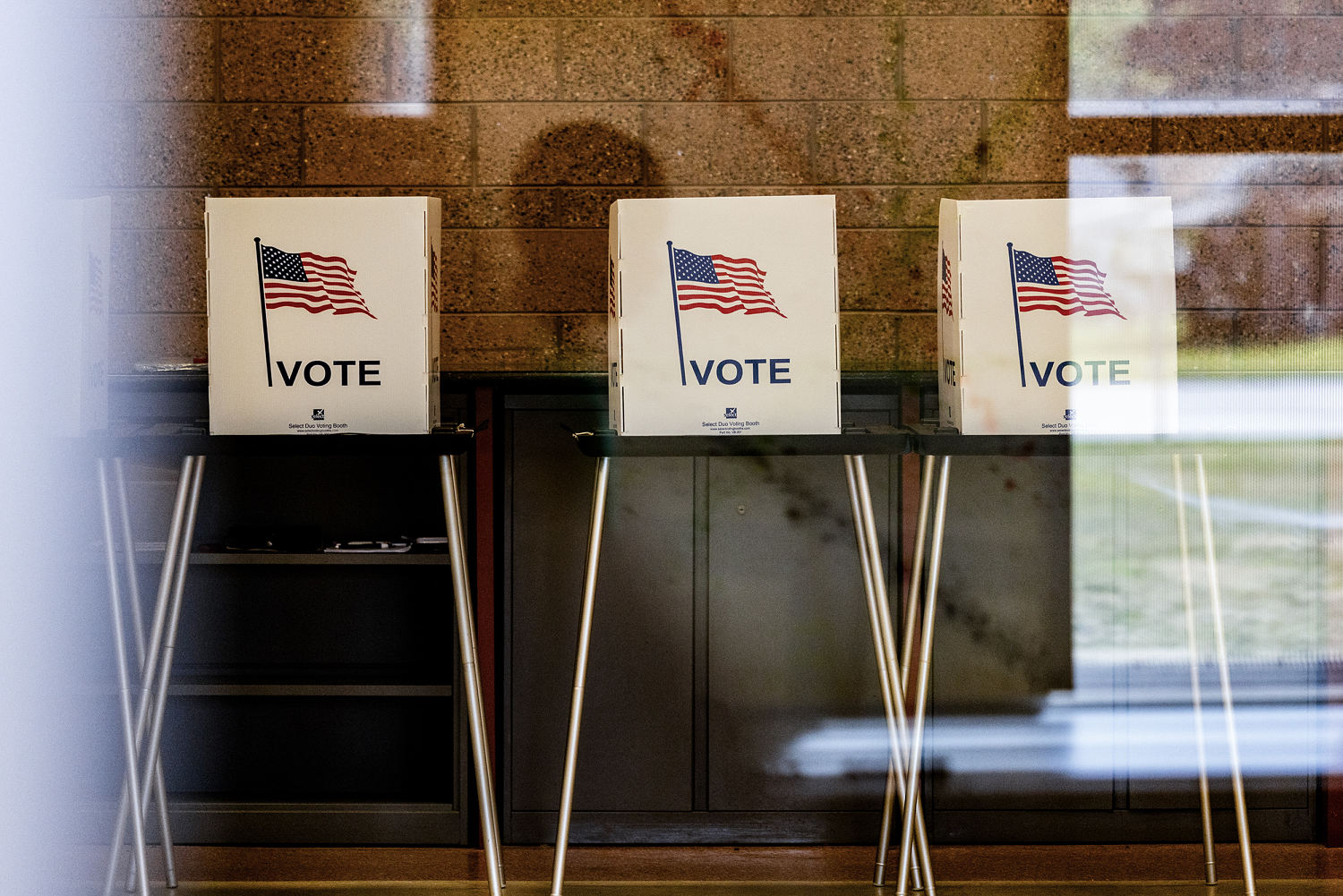
Every election cycle follows the exact same theatrical script. The primaries conclude, a subset of the electorate throws their hands up in collective disgust, and pundits line up to decry a broken mechanism. The standard critique argues that party elites hijack choices, polarization poisons the well, and average citizens are left with deeply flawed candidates they never truly wanted. This narrative comforts everyone because it shifts responsibility away from the voters and onto an abstract, faceless establishment.
It is also entirely backwards.
The primary electorate does not suffer from manipulation by party bosses. It suffers from a much simpler, harsher condition: selective attention followed by immediate buyer remorse. People treat primary voting like a seasonal sport, show up once every two or four years based on fleeting vibes or name recognition, and then act shocked when the resulting nominees reflect the exact priorities of the narrow, hyper-engaged base that actually bothered to cast a ballot.
Let us look at the mechanics. General elections force candidates toward the center because math demands broad coalitions. Primaries do the exact opposite. They reward ideological purity and loud grievance. When only fifteen percent of registered voters turn out for a primary, you do not get a representative sample of the public. You get a concentrated distillation of the loudest voices in the room. Blaming the primary system for producing polarizing candidates is like blaming a kitchen stove for getting hot when you turn the dial to maximum.
Voters love to complain that their choices are disappointing, but choice is a lagging indicator of engagement. If you ignore local politics, precinct meetings, county conventions, and early primary filings, you surrender your leverage long before the televised debates begin. The elites do not pick the nominees in smoke-filled rooms anymore. They stopped doing that decades ago. Instead, modern nominees are selected by the few thousand people per district who actually show up on a rainy Tuesday in May.
Pretending that primary voters are helpless victims of a rigged apparatus misses the entire point of democratic participation. Power flows to those who show up consistently, not those who complain loudly after the fact. Until the electorate realizes that apathy is a choice rather than a condition imposed upon them, disappointment will remain the only guaranteed outcome on election night.



