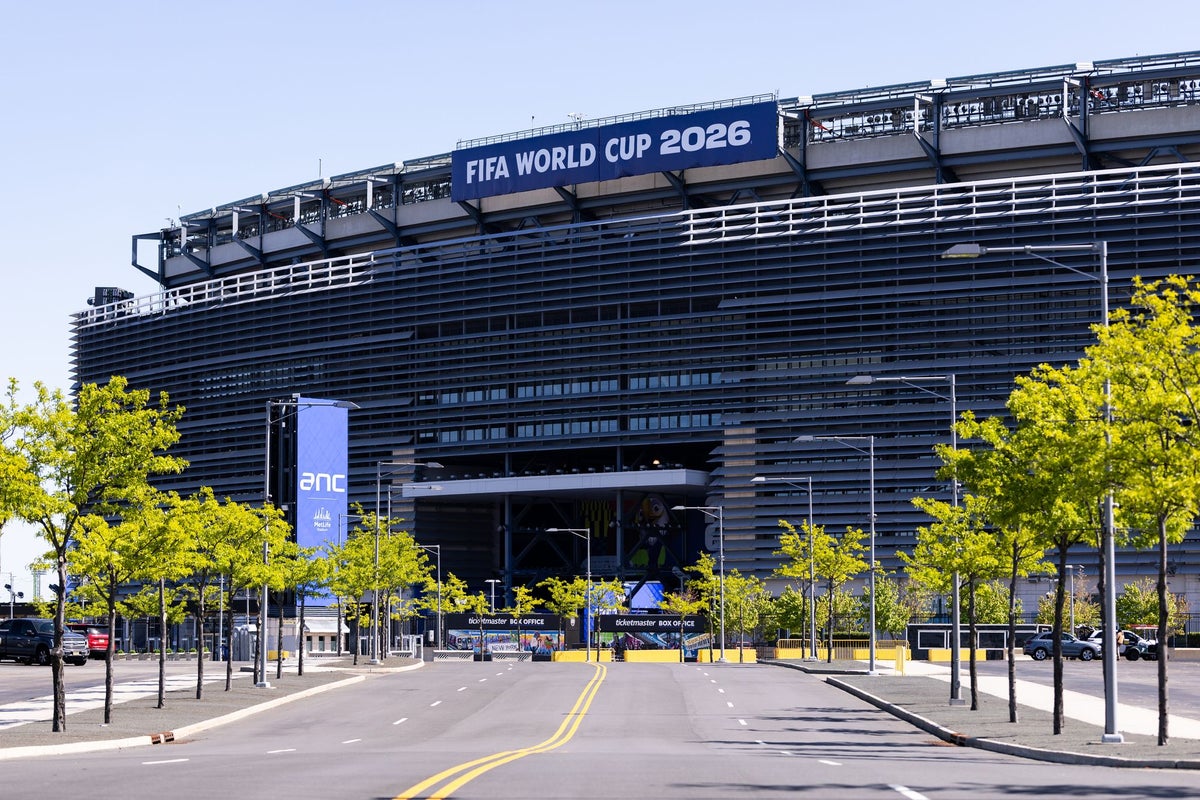
An 80-year-old German national died from a suspected heart attack outside Gate 1 of Mexico City’s Estadio Azteca on Thursday, hours before the opening match of the 2026 FIFA World Cup between Mexico and South Africa. The man collapsed while navigating the heavy crowds outside the historic venue. Emergency medical technicians assigned to the high-security tournament detail reached the scene within minutes, administering cardiopulmonary resuscitation (CPR) and briefly resuscitating him inside an ambulance. He was rushed to a nearby hospital in stable condition but later passed away under observation.
The tragedy cast an immediate shadow over an afternoon designed to showcase Mexico’s readiness for the global spotlight. Inside the stadium, a vibrant opening ceremony featured performances by Andrea Bocelli and Ejae, culminating in a fireworks display before Mexico took the field. Outside, the reality of managing an aging mega-structure under modern tournament pressure began to show its seams. Recently making waves in this space: The Mechanics of Litigation Risk in High-Stakes Live Events Analysis of the UFC Injunction Framework.
This death marks the second fatality associated with the stadium's rush to the World Cup layout. In late March, during a test-event friendly against Portugal, another spectator fell to his death from a newly renovated upper-level suite area into the parking lot. Together, these incidents shift the conversation from sporting celebration to the logistical friction of hosting modern sports events in legacy infrastructure.
Pressures of the Mega Event
The operational demands of a modern World Cup opening match are unforgiving. Estadio Azteca is the first venue in football history to host three separate World Cup opening cycles, having previously served as the centerpiece for the 1970 and 1986 tournaments. Returning a 60-year-old concrete stadium to peak international standards required a massive two-year renovation project exceeding $150 million, which included a temporary corporate rebranding and substantial overhauls to premium seating zones. Additional insights into this topic are explored by Sky Sports.
While corporate luxury suites and media boxes received direct investment, the physical perimeter of the stadium still presents the fundamental bottlenecks common to mid-century municipal architecture. Gate 1, where the German supporter collapsed, remains a primary funnel for tens of thousands of fans arriving via public transit and regional shuttle systems.
Navigating these choke points involves managing extreme crowd density, high heat, and significant walking distances before fans even reach the electronic ticket turnstiles. For elderly international travelers or those with underlying health vulnerabilities, the physical toll of entry day can become a critical medical hazard.
Emergency Response under Scrutiny
On-site reports indicate that the emergency response itself functioned as intended under FIFA’s strict medical protocol. The Secretariat of Citizen Security and Civil Protection confirmed that paramedics deployed specifically for the World Cup security net reached the spectator quickly.
The immediate deployment of CPR and a mobile defibrillator allowed crews to stabilize the patient for transport. The failure was not one of medical execution, but rather a reminder of the environmental stressors inherent to stadium perimeters during peak ingress windows.
Legacy Infrastructure and Fan Safety
The March fatality and the opening day medical crisis highlight a growing friction point in sports stadium management: retrofitting old venues versus building new ones. When Qatar hosted the tournament in 2022, it spent billions constructing purpose-built, climate-controlled environments with expansive, engineered perimeters designed to mitigate crowd pressure points.
Mexico, Canada, and the United States have taken a different approach for 2026, relying heavily on existing gridirons and historic football cathedrals. Estadio Azteca represents the extreme end of this strategy.
- Corridor Widths: Mid-twentieth-century designs feature narrow concourses that cause sudden pedestrian bottlenecks compared to modern wide-aisle specifications.
- Vertical Circulation: Older stadiums lean heavily on steep, exterior concrete ramps rather than escalators or distributed elevator banks, forcing older patrons to exert heavy physical effort.
- Perimeter Security Rings: Modern FIFA requirements mandate multiple security check points well outside the stadium walls, adding kilometers of pedestrian foot travel to the matchday experience.
The march event, where an individual fell from the second-level boxes to the ground floor, prompted a thorough investigation by the Mexico City Prosecutor's Office into the physical structural barriers of the newly minted VIP suites. While that incident involved personal conduct and intoxication, it exposed how slight variations in older structural heights can create fatal drop risks when modern crowds fill the space.
The Operational Reality Ahead
Estadio Azteca is scheduled to host four more matches during this tournament. Local organizers face the immediate task of reassessing fan management outside the stadium gates to prevent further medical emergencies during peak arrival hours.
The heat of Mexico City, combined with high altitude (over 2,200 meters above sea level), places an unusual respiratory and cardiovascular strain on visiting fans from lower elevations. When combined with the anxiety of navigating unfamiliar transportation networks and dense security lines, the risk profile for cardiac events spikes significantly.
Adjusting the deployment of roaming medical teams to the outermost perimeter rings, rather than clustering them near the immediate turnstiles, is a logical operational pivot. Providing clear, shaded rest zones along the primary walking routes from the Azteca light rail station could also alleviate physical distress before fans reach the gates.
The opening match concluded with home fans cheering a half-time lead, largely unaware of the tragedy that transpired just beyond the concrete walls. For the family of the deceased German national, the tournament ended before the whistle blew. For international sports organizers, the event serves as a blunt reminder that the safety of a sporting venue is measured by the accessibility of its outer gates just as much as the integrity of its pitch.