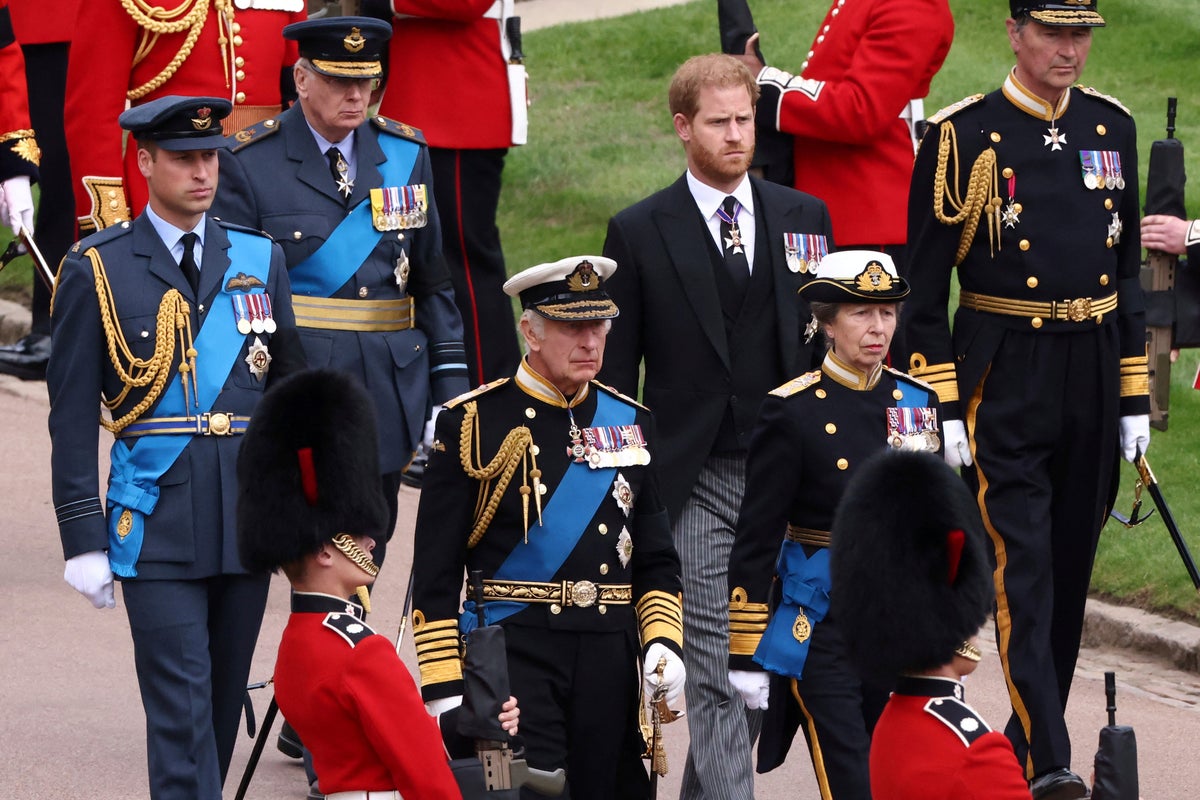
King Charles III recently opened the doors of the royal estate to Prince Harry and his family, marking their first sustained interaction in years. While public commentary frames this purely as a moving family reconciliation, the reality is far more transactional. This meeting was not just a father welcoming home a son; it was a high-stakes management meeting for an institution facing a profound generational branding crisis. The British monarchy operates as a global corporate enterprise, and this sudden thaw in relations is a calculated response to shifting public numbers and international influence.
For the past several years, the public narrative surrounding the House of Windsor has been dominated by a bitter, cross-continental proxy war. On one side sits the institution, bound by the rigid maxim of "never complain, never explain." On the other side sits the California-based Sussex branch, utilizing modern media machinery to air grievances. If you liked this post, you might want to check out: this related article.
The strategy of mutual estrangement has reached its logical limit. It no longer yields returns for either side.
The Hidden Capital of Royal Reconciliation
Monarchies run on a currency of relevance and moral authority. When that currency is devalued, public scrutiny turns toward the massive public funding and tax exemptions the family enjoys. Recent internal metrics and public polling indicate a sharp decline in enthusiasm among demographics under thirty-five, not just in the United Kingdom, but across the Commonwealth nations. This is a critical vulnerability. For another look on this event, refer to the recent coverage from TIME.
The Sussexes captured a specific, global demographic that the traditional palace machinery has consistently failed to engage. By bringing Prince Harry back into the physical proximity of the Crown, even temporarily, the institution absorbs some of that modern cultural equity back into its own orbit.
It is a classic consolidation tactic. The palace requires the global appeal that the younger, more diverse branch of the family commands. Conversely, the Sussex brand has discovered that its commercial value diminishes the longer it remains entirely detached from the ancient source of its authority. The American market quickly tires of exile narratives; it demands access to the genuine article.
The Commonwealth Factor
The timing of this reunion relates directly to growing instability within the Commonwealth. Several Caribbean nations are actively moving toward republicanism, questioning the necessity of a distant British monarch as their head of state.
- Diplomatic visual assets: The monarchy relies heavily on royal tours to maintain soft power.
- The demographic gap: Diplomatic missions fail when the visiting royals are viewed as relics of a bygone era rather than contemporary figures.
- The Sussex utility: Prince Harry and Meghan Markle previously held prominent roles within the Queen’s Commonwealth Trust, matching well with international youth networks.
Re-establishing a functional relationship creates a framework where the palace can deploy these unique diplomatic assets in regions where the traditional hierarchy faces heavy resistance.
The Operational Mechanics of a Palace Thaw
Reaching this point required months of back-channel negotiations managed not by emotional family members, but by seasoned senior courtiers and private legal advisors. The central challenge of these talks was risk mitigation.
The palace camp required ironclad guarantees that private conversations would not serve as raw material for future media projects. The Sussex camp required assurances regarding physical security and official recognition of their status within the extended family structure.
[Palace Advisors] <---> [Legal Intermediaries] <---> [Sussex Representation]
        |                                                   |
   Demanded:                                           Demanded:
   - Media embargoes                                   - Security guarantees
   - Content sign-offs                                 - Explicit status recognition
This was a complex logistical operation. The family met at a secure royal residence, away from the standard pool of royal reporters. This isolation allowed both factions to test the waters without the immediate pressure of public expectation or live press commentary.
The Risk Analysis of a Shared Future
The path forward is filled with significant institutional danger. For King Charles, embracing his younger son risks alienating Prince William and Kate Middleton, who have borne the daily burden of royal duties during a period of immense health challenges for the family. The Prince of Wales has settled into a defensive posture, viewing the Sussexes' previous public disclosures as an unforgivable breach of operational security.
The Succession Friction
A permanent fracture between the heir to the throne and his brother remains the greatest threat to the long-term stability of the house. If King Charles pushes too hard for a complete reintegration, he risks creating a civil war within his own executive suite.
William’s vision for the monarchy is lean, disciplined, and strictly controlled. Harry’s presence introduces an unpredictable, highly volatile variable into a system that requires total predictability to survive.
Furthermore, the commercial obligations of the Sussexes create an ongoing conflict of interest. The palace cannot allow its internal workings to be indirectly linked to commercial streaming contracts or multi-book publishing deals. Every future interaction will be measured against the potential for monetization, creating a permanent state of low-level paranoia among senior royals.
The Strategy of Controlled Proximity
The solution being implemented is not a return to the old status quo, but a new model of controlled proximity. The Sussexes will not return as working royals. They will instead occupy a space similar to non-executive directors. They are part of the broader organization, present at major ceremonial milestones, but entirely excluded from daily operations and policy decisions.
This structure allows the King to fulfill his personal desire to see his grandchildren while protecting the core machinery of the state. It provides the Sussexes with the vital royal association needed to maintain their global profile, while allowing them to retain their financial independence in California.
The public will see a warm family reunion. The ledger shows something else entirely: a pragmatic truce designed to protect a multi-billion-dollar brand from self-destruction. The long-term success of this strategy depends entirely on whether both sides can resist the temptation to weaponize the relationship for immediate short-term gain. The crown has survived for centuries by prioritizing institutional longevity over personal feeling, and this current maneuver proves that the current monarch understands that cold reality perfectly.