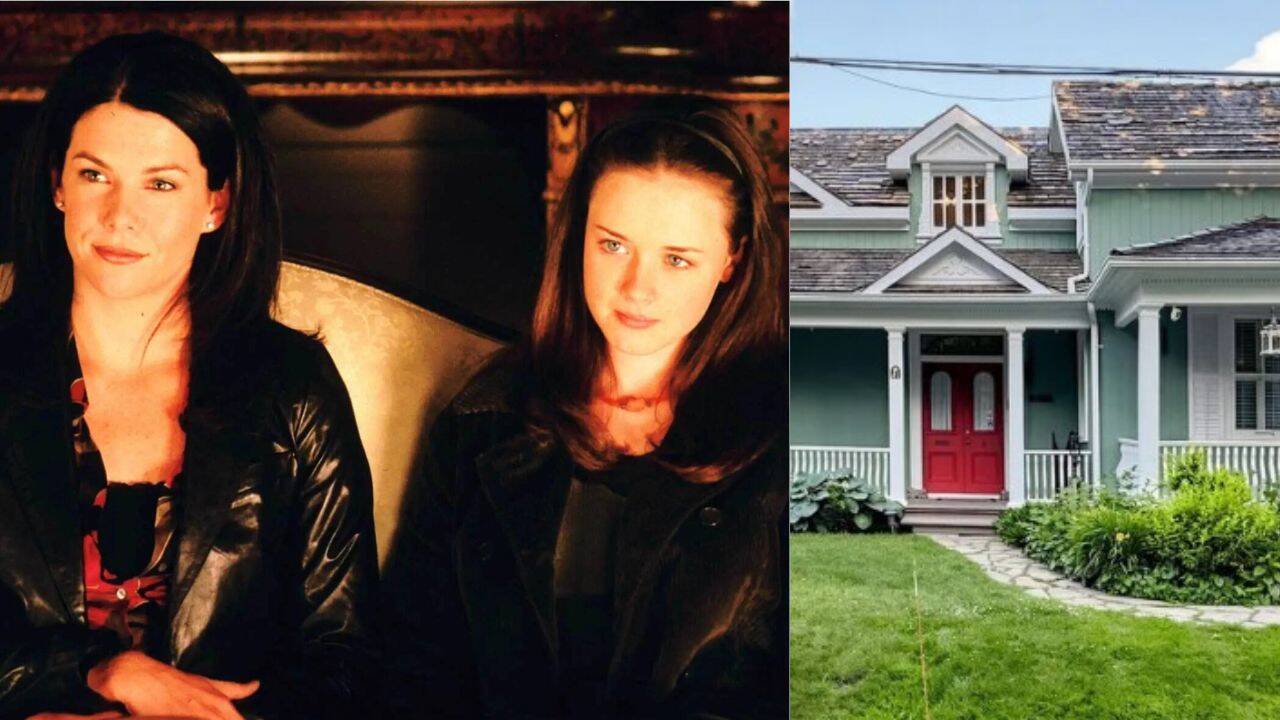
The real-life house that served as the backdrop for Lorelai and Rory Gilmore in the pilot episode of Gilmore Girls is on the market for $2.7 million in Unionville, Ontario. Long before Warner Bros. constructed a permanent, sanitized replica of Stars Hollow on a backlot in Burbank, California, a historic village just north of Toronto provided the actual bones of television’s most famous fictional Connecticut town. This multi-million dollar listing represents more than just a piece of television history. It is a stark case study in how on-screen nostalgia intersects with the hyper-inflated realities of the modern real estate market.
For die-hard fans, the property at the heart of this listing is holy ground. It represents the brief, grounded window before the show adopted its hyper-stylized studio look. But for real estate analysts and local historians, the sale offers a window into a broader, more cynical trend where pop culture pedigree is used to justify eye-watering premiums in already strained suburban housing markets. For an alternative look, check out: this related article.
The Hollywood North Premium
Production companies have flooded southern Ontario for decades. They seek tax credits and architecture that can pass for New England, New York, or any mid-Atlantic town. In the spring of 2000, creator Amy Sherman-Palladino brought a skeleton crew to Unionville, a preserved historic neighborhood within the city of Markham. The local church, the gazebo, the street corners, and one specific private residence became the blueprint for a multi-decade media franchise.
When a property like this hits the market, the listing agency inevitably leads with its Hollywood resume. This strategy is deliberate. It expands the buyer pool from local families to global investors and affluent television enthusiasts who view real estate as a form of high-end memorabilia collection. Related insight regarding this has been shared by The Hollywood Reporter.
The strategy works because nostalgia is an incredibly effective economic driver. Buyers are not just purchasing square footage, a brick facade, or an updated kitchen. They are buying the emotional resonance of a specific cultural moment. In the case of this Ontario property, the seller is betting that the memory of two fast-talking women drinking coffee in a cozy kitchen can command a massive financial premium over comparable homes down the street.
Real Estate Reality Versus Television Fantasy
Step away from the television screen and look at the hard data of the Greater Toronto Area housing market. A price tag of $2.7 million is not entirely anomalous for Unionville, an area known for its historic preservation and high cost of living. However, tracking the history of screen-famous homes reveals a consistent pattern of inflation that often detaches these properties from local market fundamentals.
Consider the broader trends in screen tourism real estate. The houses from shows like Breaking Bad, The Goonies, or Full House frequently become battlegrounds. Current owners must deal with endless streams of tourists taking photos on the lawn, while potential buyers have to weigh the prestige against the loss of privacy.
Property Type: Historic Detached
Location: Unionville, Ontario, Canada
Connection: Gilmore Girls Pilot Episode (Exterior/Interior)
Asking Price: $2.7 Million
Market Sector: Premium Suburban Heritage
This loss of privacy is a hidden liability that rarely makes it into the glossy real estate brochures. The buyers who step up to pay these multi-million dollar sums often find themselves living in a fishbowl. Local municipalities rarely offer support for managing the foot traffic generated by internet-fueled fandoms. The property becomes a public monument that happens to be privately owned.
The Ghost Towns of Television Production
When a pilot episode gets picked up for a full season, the production almost always moves to a studio lot for logistical and financial reasons. This creates a strange phenomenon where a real-world location is frozen in time, capturing a version of a town that only existed on screen for 45 minutes.
Unionville transitioned out of the Hollywood spotlight almost immediately after the pilot wrapped. The production moved to California, where crews built a replica of the Ontario streetscape on the Warner Bros. lot. The gazebo was recreated. The storefronts were matched. The original house in Ontario became a footnote in production diaries, yet it retained its status among a dedicated contingent of viewers who track down filming locations.
This creates a disconnect between the community's daily reality and its digital footprint. To the residents of Markham, the neighborhood is a high-end suburban enclave dealing with transit issues, shifting demographics, and municipal tax debates. To the internet, it remains an eternal 2000s autumn afternoon.
The True Cost of Heritage Status
Maintaining a property with both historic architectural value and pop culture significance is an expensive endeavor. Buyers looking at this price point frequently underestimate the restrictions imposed by local heritage boards. You cannot simply tear down a wall or replace a window when the exterior of your home is legally protected and culturally documented.
The $2.7 million asking price reflects the structure itself, but it also reflects the scarcity of preserved early-19th-century architecture in the region. When you layer the Gilmore Girls connection on top of strict heritage designations, the pool of qualified buyers shrinks. You need someone with the capital to purchase the property, the willingness to manage constant tourist oversight, and the patience to navigate historical preservation laws.
The financial reality of these properties is that they often take much longer to sell than standard luxury homes. The novelty wears off quickly during the negotiation phase when home inspectors point out the realities of aging foundations, outdated wiring, or the structural quirks common in century-old homes. The screen pedigree cannot mask the physical depreciation of a house that has stood for over a hundred years.
The Monetization of Screen Tourism
Municipalities have learned to capitalize on these locations even after the cameras leave. The economic ripple effect of a famous filming location can sustain local shops, restaurants, and hotels for decades. Unionville still sees influxes of visitors who walk down Main Street looking for the angles they saw in the pilot episode.
This creates an uncomfortable dynamic for the person who eventually buys the house. The town benefits from the public interest, but the homeowner bears the burden of maintaining the aesthetic standard that visitors expect. If the new owner decides to paint the front door a different color or erect a high privacy fence to block out the cameras, they face backlash from both the community and the fanbase.
The sale of this Ontario property highlights a broader truth about the modern real estate market. We no longer value homes solely based on their utility, their location, or their physical materials. In a culture driven by media consumption, narrative and history have become tangible commodities that can be appraised, leveraged, and sold to the highest bidder. The $2.7 million sticker price is the quantitative value assigned to a collective cultural memory, a number that will be tested by the realities of a shifting global economy.