The paper bag is always warm. It rests on the passenger seat, smelling of melted cheese, fried chicken, or cheap plastic containers. For millions of people, that warmth is the backdrop to a Friday night on the couch, an effortless transaction completed with a swipe and a tap. But for the person behind the wheel, that warm bag is a ticking clock. It represents a few pounds, a fraction of rent, a step closer to a dream, or simply survival.
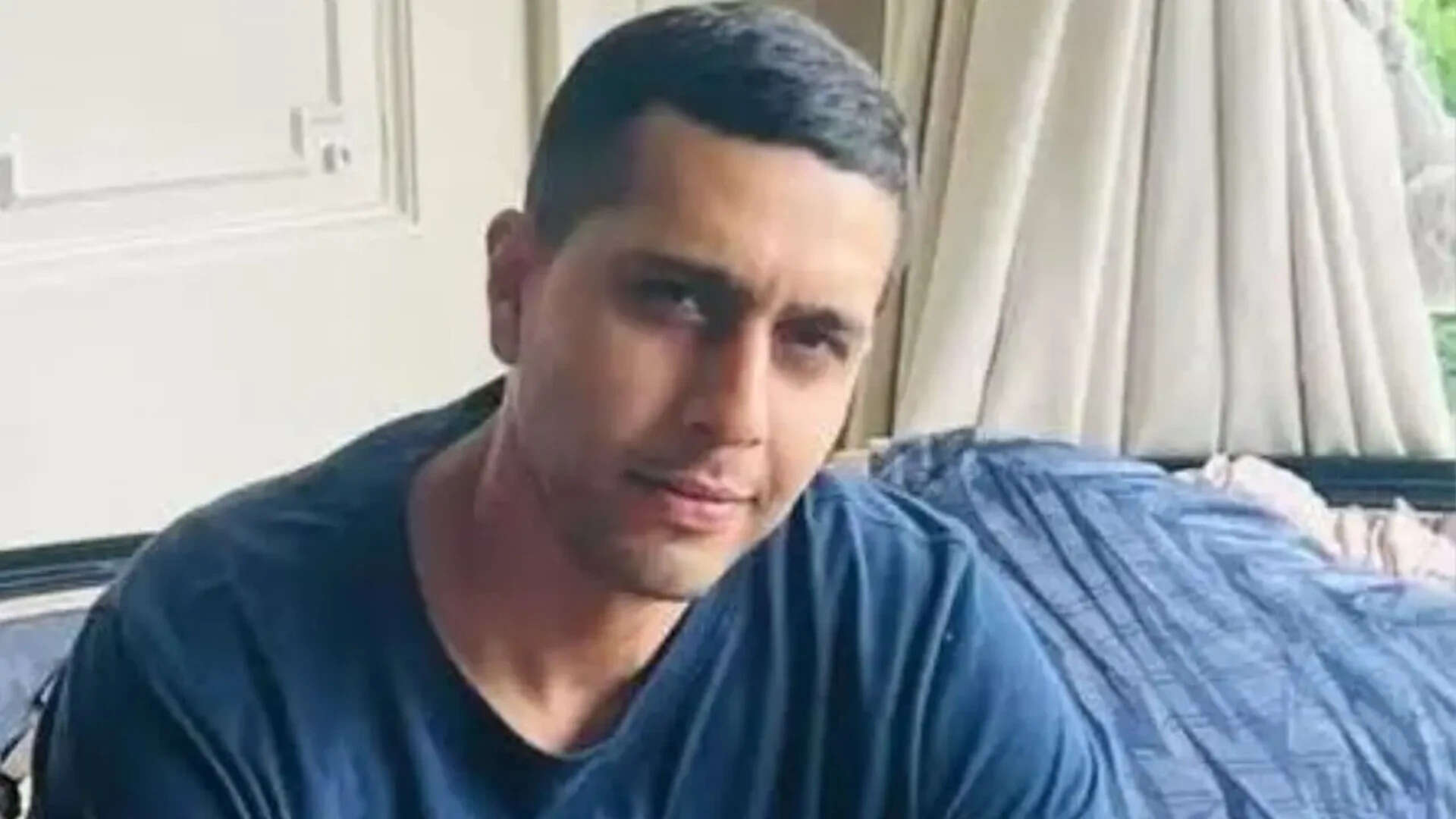
On a rain-slicked evening, Kamran Aman buckled his seatbelt. He checked the navigation app on his phone. The glowing blue line mapped out a routine route through a neighborhood he had driven dozens of times before. He was thirty-one years old. He possessed a quick smile, a habit of calling his family just to hear their voices, and a work ethic that kept him on the asphalt long after most people had turned off their bedside lamps.
Kamran was a delivery driver. In the modern economy, people like Kamran are ghost workers. They are the invisible threads holding the convenience economy together, moving through the dark, stepping onto porches, ringing doorbells, and vanishing back into the night. We rarely look them in the eye. We take the food, offer a muted thank you, and close the door.
But that night, the door didn’t open for a delivery. The street rose up to meet him instead.
The Friction of the Sidewalk
To understand what happened to Kamran, you have to understand the modern street. A city at night is not a monolithic place; it is a patchwork of fragile boundaries. On one side are the people inside their homes, safe, warm, and insulated. On the other side are the drivers, the couriers, the gig workers navigating the elements. They exist in a state of perpetual vulnerability. They are exposed.
Consider the physics of a delivery. A driver pulls up to a curb. They leave the hazard lights blinking—a universal sign of temporary presence, a plea to the world saying, I will only be a moment. They step out into the cold. In those few seconds between the car door slamming and the front door opening, the driver belongs to the street.
For Kamran, that brief window of vulnerability became a trap.
A group of teenagers stood on the pavement. They were young, fueled by the volatile cocktail of boredom, group dynamics, and a systemic hatred that had been whispered into their ears long before they ever stood on that corner. They didn't see a man working a grueling shift to build a life. They didn't see a son, a brother, or a friend. They saw a target. They saw an outsider.
The confrontation didn't begin with a argument over money or a traffic dispute. It began with words that cut deeper—words weaponized by race.
The Anatomy of an Ambush
Hatred is rarely quiet, but it is terrifyingly fast. What started as verbal harassment escalated in a heartbeat. When you are outnumbered on a dark street, the world shrinks. The ambient noise of the city—the distant hum of traffic, the bark of a dog—fades into a suffocating silence.
The teenagers closed the distance. Kamran, caught between his vehicle and the sidewalk, had nowhere to go.
We often think of violence as something structured, like a scene from a movie. In reality, it is chaotic, ugly, and blindingly fast. A flash of steel. A sudden, sharp tear in the fabric of the night. The teenagers struck with a brutality that defied their age. A blade found its mark, piercing through the routine of a working shift and striking deep into Kamran’s chest.
Then, they ran.
The sidewalk was left quiet again. The hazard lights on Kamran’s car continued to blink, casting a rhythmic, amber glow over the asphalt. Flash. Flash. Flash. A silent distress signal sent out to an empty road. The warm food sat in the front seat, growing cold, its destination rendered permanently irrelevant.
The Statistics Behind the Stains
When news of Kamran’s death broke, the headlines did what headlines always do. They reduced a vibrant, breathing human being into a set of cold identifiers: Delivery driver. Stabbed. Teenagers. Racist attack.
The public consumes these details with a brief sigh of horror before scrolling to the next piece of content. But the data tells a much darker, structural story. The gig economy has created an entire class of workers who bear all the risk of the marketplace with none of the protection.
- Delivery drivers are statistically among the most vulnerable workers in the urban landscape, facing high rates of assault, vehicle theft, and harassment.
- Hate crimes driven by racial prejudice have seen a documented surge in urban centers, often targeting public-facing, solitary workers.
- The average age of perpetrators in violent street crimes has steadily declined, highlighting a fracturing of social safety nets and community intervention.
But a statistic cannot capture the sound of a mother receiving a phone call at three o’clock in the morning. It cannot replicate the hollow ache in a living room where a family realizes the shoes by the front door will never be worn again.
Kamran Aman wasn't a data point. He was a man who loved cricket. He was someone who saved his money to help his parents. He had plans for the weekend, jokes he hadn't told yet, and mornings he was supposed to wake up to. All of that was erased in a senseless explosion of teenage malice.
The Echoes in the Courtroom
The justice system attempts to fix a broken world by weighing actions on a scale. The teenagers were caught, arrested, and brought before a judge. The legal proceedings unreeled with the sterile precision of the law. Lawyers spoke of intent, forensics, and psychological profiles. The defendants sat in the dock, looking smaller, younger, and entirely ordinary compared to the monstrous nature of their crime.
That is the most terrifying part of hatred: its domesticity. The teenagers who killed Kamran didn't look like monsters from a fairy tale. They looked like kids you would pass in a school corridor or see outside a corner shop. Yet, they carried a darkness capable of extinguishing a life for the crime of existing in a specific skin color on a specific street.
During the trial, the details of the attack were laid bare. The court heard how the slurs were shouted, how the victim was cornered, and how the fatal blow was delivered without a shred of hesitation. The defense attempted to point toward troubled upbringings, peer pressure, and the impulsivity of youth.
But some lines, once crossed, cannot be blurred by context. A man was dead because he tried to deliver food in a neighborhood that decided he didn't belong there.
The Cold Seat
Step inside the car Kamran left behind.
If you sit in the driver's seat, you can see the world through the prism of his final hours. The dashboard holds the small remnants of a life in motion: a charging cable, a bottle of water, a receipt from a morning coffee. These are the artifacts of the hustle.
We live in a culture that glorifies the grind. We are told that hard work, resilience, and keeping your head down will shield you from the storm. Kamran did everything right. He worked the unsociable hours. He took the jobs others refused. He navigated the rain and the dark to provide for himself and the people he loved.
His death is a stark, uncomfortable reminder that the myth of the meritocracy crumbles when it meets the reality of systemic hatred. Hard work cannot deflect a blade. Resilience cannot outrun a pack of predators.
The delivery apps remained active on thousands of phones across the city the night Kamran died. Ping. Ping. Ping. New orders flooded the network. Other drivers, unaware of the blood on the pavement a few miles away, accepted the jobs, shifted their cars into drive, and pulled out into the night. The machine kept turning.
Kamran’s family is left with the silence. They are left with the profound, unfixable injustice that a ordinary shift ended in a cemetery.
The next time you hear a car idle outside your house in the dark, or see a figure walking up your driveway holding a thermal bag through the drizzle, look past the convenience. Remember that the person stepping into the porch light is carrying more than just your dinner. They are carrying their history, their hopes, and a quiet, daily courage that the street tests every single night.
The amber hazard lights continue to blink somewhere in the city, casting long shadows against the brick walls, marking the spot where a man simply tried to do his job, and never made it home.


