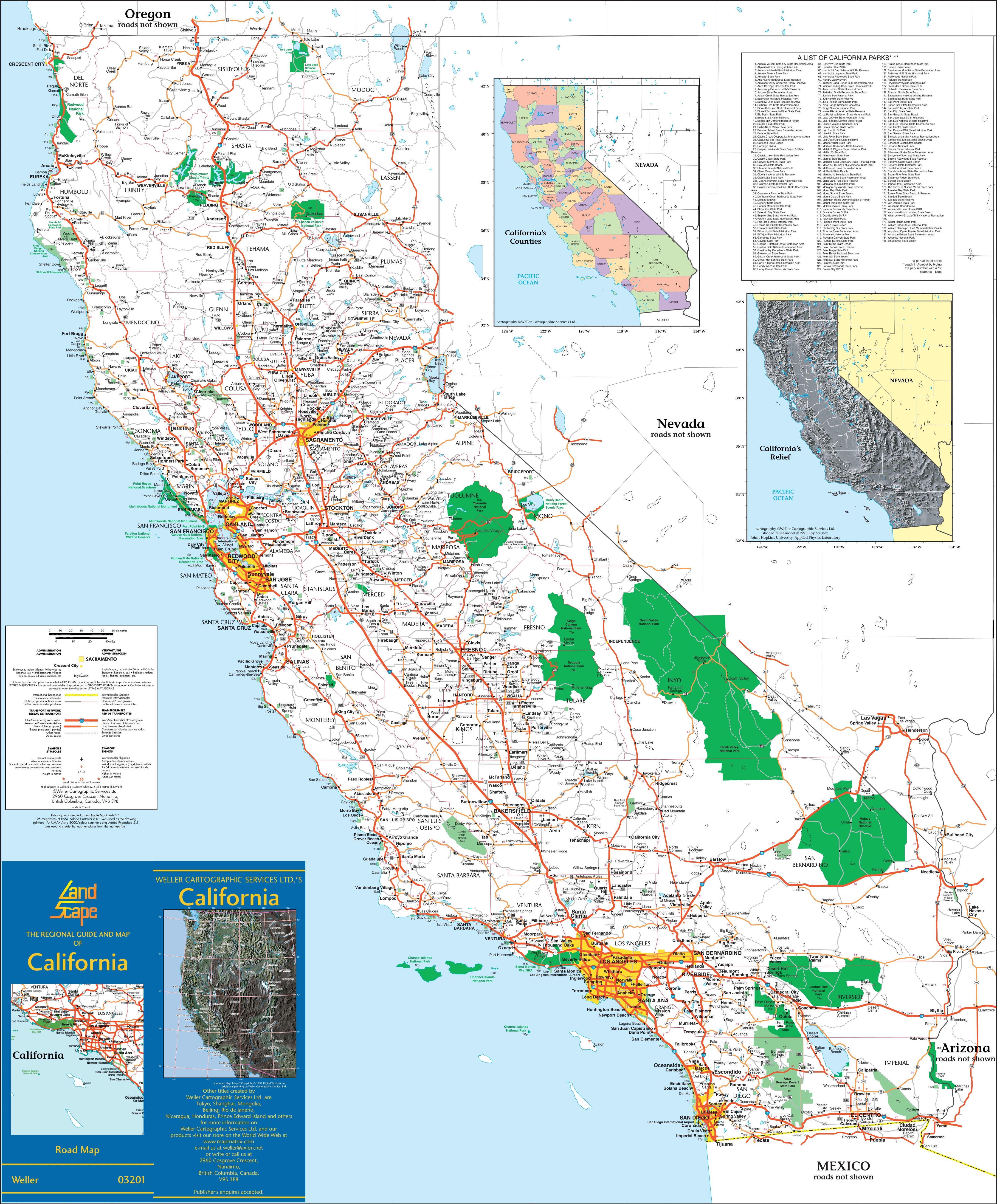
When municipal authorities weaponize public assets against civic institutions, the underlying mechanism is rarely administrative oversight. It is a systematic exercise in political leverage disguised as policy enforcement. The recent conflict between the city of Santa Fe Springs and the Metropolitan Little League provides a textbook study of how municipal governance can fracture under the pressure of personal vendettas, retaliatory bureaucracy, and the fragile allocation of public real estate.
To deconstruct this phenomenon, one must look past the emotional rhetoric of community outrage and analyze the structural failure points that allow local government entities to marginalize community infrastructure for non-meritocratic ends. For another look, check out: this related article.
The Cost Function of Municipal Asset Allocation
Municipal parks and recreation fields operate under conditions of severe scarcity. In densely populated urban zones like Los Angeles County, public land represents a finite, high-value asset with competing stakeholder demands. When a municipality grants long-term operating rights to a youth organization, it establishes an implicit social contract built on historical precedent, maintenance contributions, and community trust.
The abrupt termination of such agreements exposes the structural vulnerability of volunteer-run institutions. Unlike corporate entities with legal retainers, volunteer boards lack the capital reserves required to contest administrative gatekeeping through protracted litigation. Municipalities can alter fee structures, impose restrictive permitting conditions, or cite spurious safety infractions to create artificial compliance bottlenecks. Further coverage regarding this has been provided by TIME.
In the Santa Fe Springs dispute, the Metropolitan Little League faced sudden eviction from fields it had utilized for decades. The sequence of events revealed a classic manifestation of regulatory capture, where administrative levers were pulled not to optimize public utility, but to punish political dissent or non-compliance with local political machinery. The swift reversal of the lockout following public exposure and media scrutiny underscores the core vulnerability of retaliatory governance: it collapses entirely when subjected to transparent, data-driven scrutiny.
The Anatomy of Retaliatory Bureaucracy
Political payback within local government follows a predictable operational lifecycle. Understanding this lifecycle allows community stakeholders to anticipate and neutralize municipal overreach before it results in institutional displacement.
The first phase relies on asymmetric information control. Municipalities introduce policy changes under the guise of general liability reduction or master-plan updates, obscuring the targeted nature of the administrative shift.
The second phase involves selective enforcement. Routine maintenance oversights or minor code infractions that are routinely overlooked for favored entities are suddenly classified as critical operational failures.
The third phase is procedural exhaustion. Organizations are subjected to sudden deadlines, exorbitant fee hikes, or arbitrary insurance requirements designed to force voluntary capitulation.
When these three phases are deployed sequentially, they create a plausible deniability framework for elected officials. They can claim administrative neutrality while executing a targeted political eviction.
Strategic Countermeasures for Civic Institutions
Youth leagues, neighborhood associations, and community groups must adopt institutional hardening strategies to protect themselves against arbitrary municipal actions. Relying purely on historical goodwill or community sentiment is insufficient when confronted with bad-faith bureaucratic maneuvering.
Institutional resilience requires formalizing every operational agreement into ironclad, legally binding memoranda of understanding that incorporate explicit dispute-resolution clauses. Furthermore, maintaining complete transparency regarding financial contributions, volunteer hours, and maintenance investments creates an empirical defense against claims of operational inadequacy.
When a municipality initiates a retaliatory freeze, the response must bypass local administrative channels immediately. Because municipal overreach thrives in administrative obscurity, the introduction of external visibility—through investigative journalism, legal transparency requests, and coordinated public accountability—disrupts the calculus of the governing body.
The rapid reinstatement of the Metropolitan Little League fields proves that when institutional pressure is applied precisely at the point of political exposure, arbitrary bureaucratic maneuvers are quickly rescinded to mitigate reputational damage. The systemic vulnerability remains, however, until civic organizations institutionalize structural safeguards that render political retaliation economically and politically unviable for local leaders.