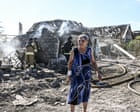
In the early days of the Russian invasion, Kyiv presented a wall of absolute unity to the world. Political rivals shook hands. Old grudges evaporated overnight. Parliament voted in unison, and Volodymyr Zelenskyy became the singular, undisputed voice of a nation fighting for its survival.
That era is officially gone.
As the war enters its fifth year, the political truce that held Ukraine together has fractured. Beneath the surface of daily air raid sirens and front-line battles, a fierce domestic power struggle is boiling over. At the same time, some of Ukraine's most critical international partnerships are showing deep, worrying cracks.
Understanding this shift isn't just about tracking political gossip in Kyiv. It's about recognizing how domestic friction and fraying foreign alliances could reshape the outcome of the war.
The Myth of Total Domestic Unity
For a long time, Western observers bought into the idea that Ukrainian politics had been permanently paused. That was always an illusion.
Martial law naturally centralized power in the presidential administration. Elections are legally suspended. Zelenskyy's team consolidated the country's main television channels into a single, state-controlled broadcast called the "United News" telethon. In 2022, this was a vital tool to fight Russian disinformation. By 2026, it looks more like a tool to marginalize political opponents.
Opposition parties are tired of being sidelined. They complain that their lawmakers are routinely blocked from traveling abroad to lobby Western allies. Petro Poroshenko, the former president and Zelenskyy’s chief political rival, has repeatedly faced travel bans at the border.
The tension isn't just in parliament. Local mayors are fighting back against what they call a power grab by the central government. Vitali Klitschko, the high-profile mayor of Kyiv, has publicly clashed with Zelenskyy’s office over everything from bomb shelter maintenance to city budgets. Centralizers in the presidential administration want tight control over resources. Local leaders want to keep their autonomy.
This isn't healthy democratic debate. It's a bitter fight over who controls Ukraine's resources now, and who will run the country whenever elections finally happen.
The Military Civil Rift That Changed Everything
Nothing made the end of Ukraine's political truce clearer than the high-profile dismissal of General Valeriy Zaluzhnyi.
Zaluzhnyi was more than just a military commander. To millions of Ukrainians, he was a national hero, a steady hand who saved Kyiv in the war's darkest hours. His popularity rivaled, and sometimes exceeded, Zelenskyy's own approval ratings.
That popularity made him a political threat.
When Zaluzhnyi wrote an essay warning that the war had reached a stalemate, the political response from the presidential office was swift and defensive. The public disagreement exposed a fundamental rift. Politicians wanted optimistic narratives to keep Western aid flowing. The military wanted realistic assessments to manage expectations and plan for a long war of attrition.
Replacing Zaluzhnyi with General Oleksandr Syrskyi did not solve the underlying issue. It merely showed that political considerations now heavily influence military leadership decisions. When military strategy is viewed through the lens of political survival, trust in leadership erodes.
When Close Neighbors Turn Cold
While internal politics sour, Ukraine is also facing a harsh reality check on the diplomatic front. The most dramatic example is the shifting relationship with Poland.
Poland was Ukraine’s ultimate defender in 2022. It opened its borders to millions of refugees, sent tanks when others hesitated, and acted as the primary transit hub for Western weapons.
But geography and economics eventually collided with wartime solidarity.
Cheap Ukrainian agricultural exports, allowed into the European Union to keep Ukraine's economy afloat, flooded the Polish market. Polish farmers, facing financial ruin, retaliated. They blockaded border crossings, stranded trucks, and spilled Ukrainian grain onto train tracks.
This friction runs deeper than wheat prices. Historical grievances dating back to World War II, once swept under the rug for the sake of geopolitical survival, have re-emerged. Polish politicians, facing pressure from their own electorates, can no longer afford to give Ukraine a blank check.
The message is clear. Even the strongest alliances have limits when domestic economic interests are threatened.
The Exhaustion of Western Patronage
Beyond neighboring Poland, the wider Western coalition is showing acute signs of fatigue.
The United States remains the indispensable backer, but the political fight over aid packages proved that American support is no longer guaranteed. Every debate in Washington over funding bills becomes a circus. The aid eventually arrives, but the delays cost lives on the battlefield and force Ukrainian commanders to ration artillery shells.
In Europe, political shifts are bringing skeptical voices into power. Leaders who openly question the wisdom of funding a protracted war are gaining ground. The initial emotional pull of Ukraine’s resistance has worn off, replaced by cold calculations about defense budgets, inflation, and domestic energy costs.
Ukraine is learning a brutal lesson in realpolitik. Sympathy does not translate into infinite ammunition.
How Ukraine Navigates the New Reality
Ukraine cannot afford a political implosion while fighting an existential war. To survive, both domestic leaders and international allies need to adjust their approaches immediately.
First, the Ukrainian government needs to restore domestic political trust. This means scaling back the centralization of media and allowing opposition voices back into the national conversation. A healthy democracy is harder to manage, but it is far more resilient than an autocracy disguised as a war cabinet.
Second, Kyiv must transition from emotional appeals to hard, transactional diplomacy. Western allies are tired of being told they aren't doing enough. Ukraine needs to present clear, realistic military goals and demonstrate strict accountability for every dollar and weapon received.
The era of easy unity is over. The coming phase of this war will be defined by how well Ukraine handles the messiness of its own politics while managing the transactional nature of its alliances. Survival depends on pragmatism, not nostalgia for the unity of 2022.


