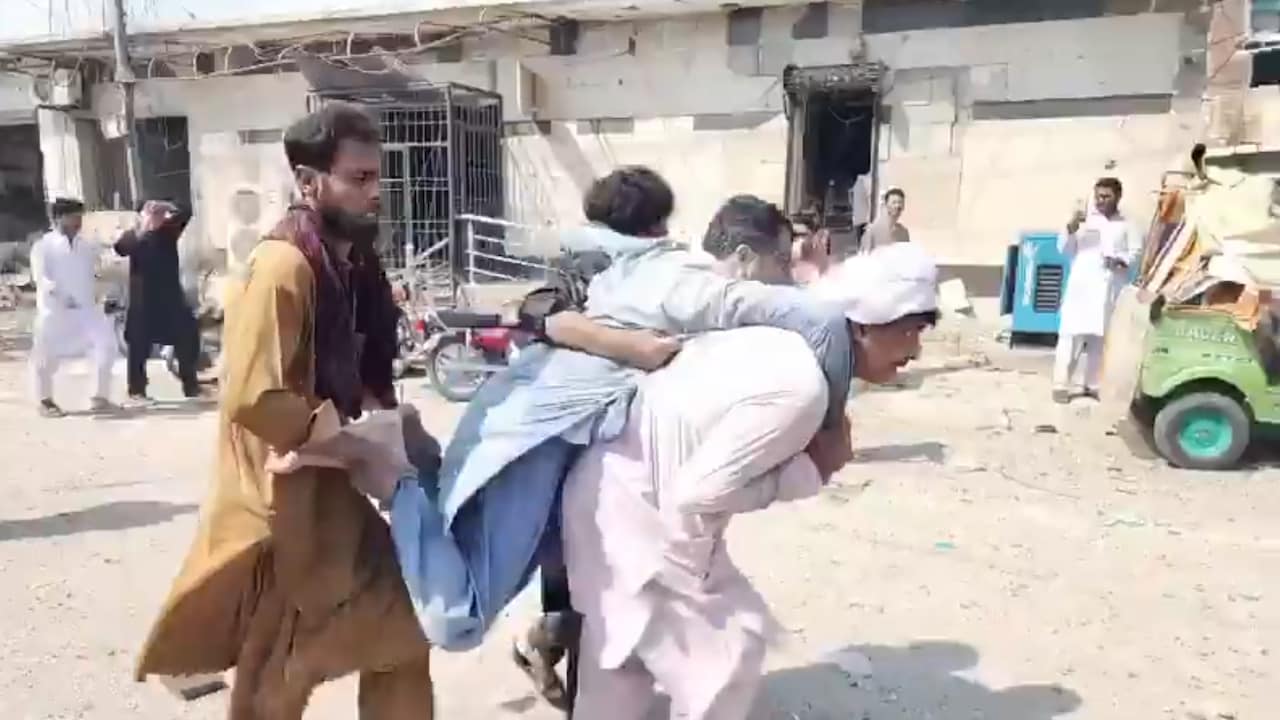
Another tragedy hits the wire services with numbing frequency. Twenty-one dead. Police officers among the casualties. The ritualized condolences roll out across television screens, followed immediately by the predictable, hollow demands for increased security, tighter perimeters, and severe condemnation of extremism. It is a script written in blood and recycled every single time a soft target turns into a slaughterhouse.
Everyone points fingers at the ideology of the attackers. Everyone misses the structural mechanics of why the defense failed.
The mainstream media treats these atrocities as random acts of malice or failures of brute-force deterrence. The prevailing narrative suggests that if only there were more guards, more barriers, more checkpoints, and harsher penalties, the violence would stop. This is a comforting fiction. It allows state institutions to pretend that security is simply a matter of scale rather than architecture, perverse incentives, and operational competence.
Examine the conventional wisdom. When a blast rips through a house of worship, the immediate response from regional authorities is to deploy more armed personnel to similar sites across the country. They create a visible, knee-jerk surge of police presence. They turn public spaces into armed camps.
This response is not just ineffective; it is actively dangerous. It demonstrates a profound misunderstanding of how asymmetric warfare operates.
The Architecture of Failure
Why do police officers keep dying in these attacks? Because they are deployed as symbolic tripwires rather than tactical assets. In high-threat environments, security architecture suffers from severe theatricality. Checkpoints are erected for political visibility, not tactical integrity.
Consider the physical layout of these sites. A typical urban mosque or public gathering space is surrounded by narrow access roads and dense pedestrian traffic. When authorities decide to secure the area, they drop a concrete barrier and station three or four under-equipped, exhausted police officers at the primary entry gate.
This creates a fatal bottleneck. Instead of deterring an attacker, the checkpoint creates a high-density cluster of soft targets right at the outer perimeter. A determined suicide bomber does not need to breach the inner sanctuary of the mosque to cause mass casualties. They simply detonate at the security queue where civilians and guards are bunched together in a congested bottleneck.
The checkpoint becomes the primary target. The guards become the initial shock absorbers of the blast. We are engineering our own vulnerabilities while patting ourselves on the back for maintaining a visible security posture.
Having analyzed operational security failures across volatile regions for years, the pattern is unmistakable. Bureaucracies optimize for blame-shifting, not risk reduction. When a bomb goes off, leadership can stand before the press and point out that they deployed officers to the site. The fact that those officers were stationed in stagnant, predictable configurations with zero standoff distance is treated as an unfortunate operational friction rather than gross institutional negligence.
The Dangerous Illusion of Static Defense
Static defense is a trap. In military and counter-terrorism theory, holding static positions without dynamic, mobile intelligence support is equivalent to inviting encirclement and infiltration. Yet, state authorities cling to the medieval concept of the walled city. They believe that piling sandbags higher and placing more men with rifles at doors will keep the chaos outside.
It does not work. Insurgents study security protocols with clinical detachment. They map guard shift changes, identify blind spots in surveillance, and exploit the sheer boredom of officers who stand watch for twelve hours straight in blistering heat. A guard who has stood at the same gate for six months without an incident is not vigilant; they are cognitively fatigued. Their situational awareness has degraded to zero.
When an attacker approaches, they are not facing a living, breathing intelligence network. They are facing a fatigued human speed bump.
Worse still, the reliance on static defense drains resources away from what actually stops terrorism: human intelligence and targeted disruption upstream. Governments spend billions of dollars on concrete, barbed wire, and rifle-toting patrols because these measures are visible. Politicians can cut ribbons in front of new security installations. They can show citizens that something is being done.
Intelligence work is invisible. You cannot cut a ribbon for a thwarted cell that was dismantled three months before they ever acquired explosives. Because political incentives reward visibility over efficacy, states continue to fund the theater of security while starving the substance of intelligence.
Bureaucratic Incentive Structures and Performative Policing
Consider the police officers caught in the blast. They are the symptoms of a deeper systemic rot. Underpaid, poorly trained in crowd dynamics and threat vector analysis, and treated as expendable muscle by a command structure that sits miles away in fortified compounds, they are placed at the front lines without the tools or intelligence required to survive.
Blaming the extremist ideology alone ignores the administrative incompetence that leaves front-line personnel completely exposed. If you put an under-trained officer behind a crumbling concrete barrier next to a crowded public entrance, you have not secured the location. You have simply provided a clustered target that magnifies the explosive yield of an attack.
The administrative apparatus treats these casualties with crocodile tears. They award posthumous medals, issue solemn statements about sacrifice, and then deploy the exact same configuration of undertrained men to the exact same vulnerable gates the following morning. The cycle persists because the bureaucracy is insulated from the consequences of its own tactical stupidity. The senior commanders do not stand at the gate. They do not face the bottleneck.
This is performative policing. It is designed to reassure the public that the state is in control, even as the empirical evidence proves the exact opposite. Every time a checkpoint fails, the response is to double down on the same failed methodology. More checkpoints. More guards. More bottlenecks. It is a death spiral of escalating security theater.
Rethinking Security Design from the Ground Up
If we are serious about stopping these atrocities, we have to abandon the comforting lies of conventional counter-terrorism and confront hard, uncomfortable truths.
First, we must dismantle the myth of the secure perimeter in open urban environments. You cannot seal a public house of worship in a densely populated city without turning it into a prison. The moment you attempt to do so, you create the exact traffic jams that suicide bombers exploit. True security requires porous, dynamic perimeters backed by intelligence-led disruption, not brute-force cordons.
Second, we must professionalize and decentralize front-line policing. Officers stationed at high-risk sites must be trained in behavioral threat analysis—the ability to spot anomalies in crowds, recognize pre-attack surveillance indicators, and intercept threats before they reach the critical threshold of detonation. Sticking a bored recruit with a rifle behind a sandbag is an act of administrative malpractice.
Third, we must shift funding away from physical security theater and redirect it into underground intelligence networks. Stopping an attack before the bomber leaves their safehouse requires informants, digital forensics, and counter-financing operations. It requires boring, grueling investigative work that yields zero photo opportunities for politicians.
Finally, the leadership structures responsible for deploying officers into indefensible static positions must be held accountable for tactical negligence. Until commanders face professional consequences for maintaining broken security protocols, they will continue to treat front-line personnel as expendable props in a political drama.
The next time a tragedy occurs, do not accept the standard script. Do not nod along when authorities demand more checkpoints and tighter perimeters. Recognize those demands for what they are: the desperate defense of a broken system that values theatrical performance over human life.
Stop funding the bottlenecks. Dismantle the theater. Build an intelligence apparatus that targets the architects of terror before they reach the gate. Anything else is just waiting for the next body count.


