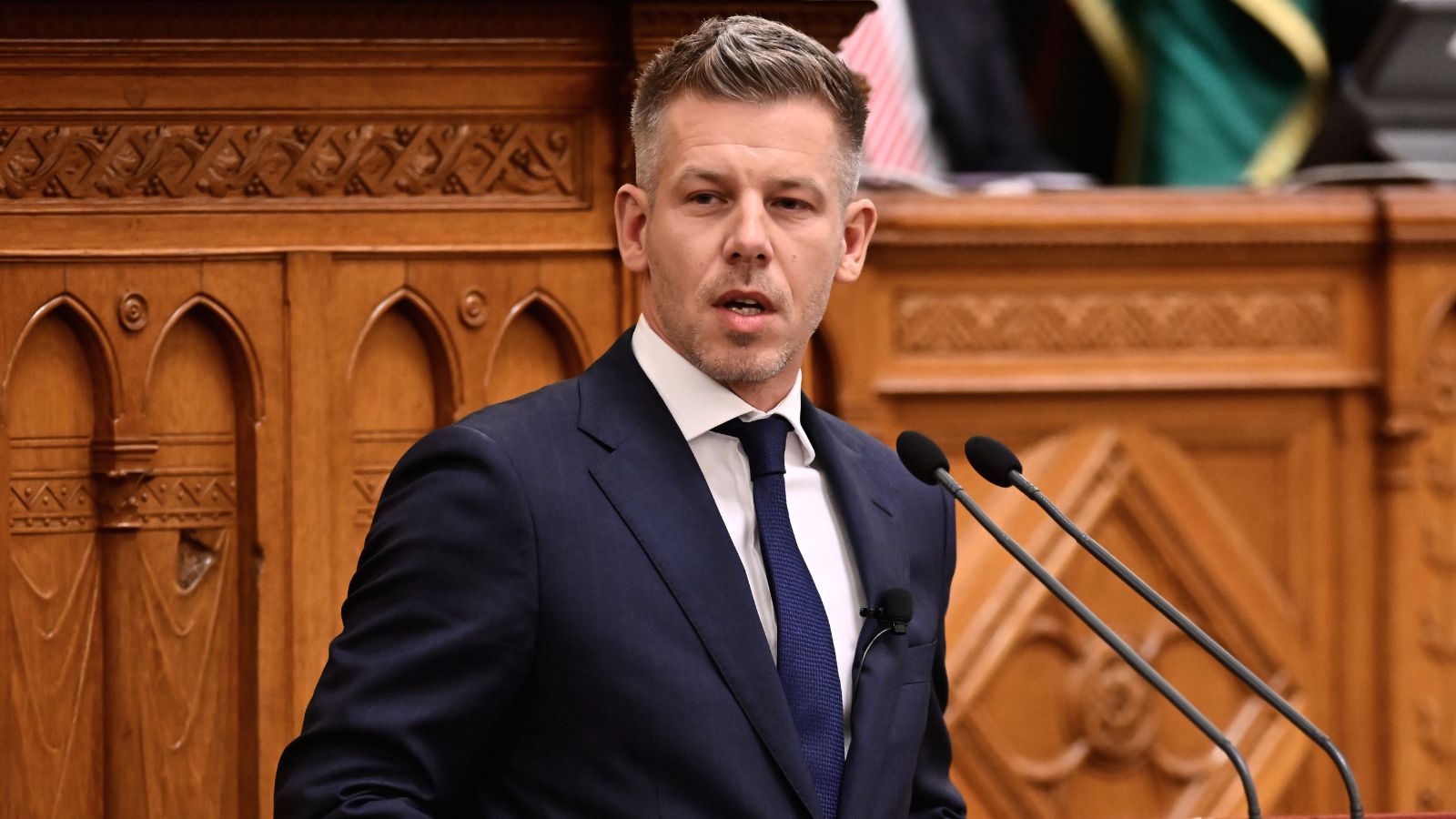
Viktor Orbán didn’t just lose an election on April 12, 2026. He lost a country he thought he’d bought and paid for. For sixteen years, the Fidesz machine felt unbeatable. It controlled the media, the courts, and the purse strings. But then came Péter Magyar—a man who knew exactly where the bodies were buried because he’d helped dig the graves.
Magyar’s Tisza party didn’t just win. They cleared the floor. We’re talking about a 53% landslide and 141 seats in the National Assembly. That’s a constitutional supermajority. It’s the kind of math Orbán used to rewrite the rules in his own favor, now being used to dismantle his legacy. If you’re trying to figure out how a former Fidesz insider became the giant-killer of Central Europe, you have to look at the messy, high-stakes divorce between Magyar and the system that raised him.
The insider who knew too much
Magyar wasn't some activist from the fringes. He was the ultimate Fidesz thoroughbred. He was married to Judit Varga, Orbán’s former Justice Minister. He held lucrative board positions in state-owned companies. He ate at the tables of the elite. When he turned, it wasn't because of a sudden shift in ideology. It was because he saw the rot from the inside and decided he’d rather be the guy to burn it down than go down with the ship.
The breaking point was the 2024 clemency scandal. When a presidential pardon for a man involved in a child abuse cover-up leaked, it shattered the "family values" image Fidesz spent billions to build. Varga was forced to resign. Magyar didn't just walk away; he went nuclear. He released secret recordings of his own wife discussing how top officials tampered with evidence in corruption cases.
It was brutal. It was personal. And for a public tired of the same old "opposition" losing over and over, it was electric. Magyar wasn't some polite liberal from a think tank. He was an aggressive, fast-talking lawyer who used Orbán's own populist tactics against him. He spoke the language of the right but promised the accountability of the west.
How the Tisza party broke the map
The most impressive part of this win wasn't the victory in Budapest. Everyone expected the city to hate Orbán. The real shocker was the countryside. For over a decade, the rural heartland was Orbán’s fortress. He’d convinced voters there that the EU wanted to destroy their way of life and that he was the only shield.
Magyar tore that shield apart. He didn't campaign from a TV studio. He got in a car and visited hundreds of villages. He told farmers that while they were struggling with 20% inflation, Orbán’s cronies were buying yachts in the French Riviera. He made it about the wallet, not the "culture war."
- Turnout hit nearly 79%: One of the highest in modern Hungarian history.
- The Youth Vote: Estimates suggest roughly 90% of voters under 30 went for Tisza.
- Constituency sweep: Magyar’s candidates won 96 out of 106 individual districts.
Hungarians weren't just voting for a new guy. They were voting for a "regime change," a phrase Magyar used constantly. He didn't offer a return to the pre-2010 politics of the left. He offered a "third way"—conservative enough for the villages, but clean enough for the professionals.
A messy transition and the Russia problem
Don’t think for a second that Magyar is a standard-issue EU puppet. He’s complicated. While he’s promised to fix the relationship with Brussels and unlock billions in frozen funds, he’s still playing a nationalist game. He’s skeptical about Ukraine’s fast-track EU accession. He’s not a fan of the EU’s migration pacts.
He’s basically offering "Orbánism without the corruption." For the European Commission, that’s a massive upgrade, but it’s going to lead to some awkward dinners in Brussels. The immediate priority is the rule of law. Magyar has already demanded the resignation of the President and the head of the Constitutional Court, both Orbán loyalists. He knows that if he doesn't clear out the deep state now, they’ll paralyze his government by June.
What actually changed in 2026
The air in Budapest feels different now. The state media, once a 24/7 propaganda loop for Fidesz, is in a state of total panic. Most of the "old opposition" parties have basically vanished, replaced by this new, eclectic movement of former Fidesz voters and disillusioned liberals.
Magyar’s rise proves that you can’t defeat a populist with a lecture. You defeat him with a better story and a more charismatic fighter. Orbán built a system designed to survive any challenge, but he forgot to account for a man who knew the passwords.
If you're watching from the outside, the lesson is simple: entrenched leaders aren't toppled by their enemies. They’re toppled by their friends who stop believing in the lie. Magyar is now the most powerful man in Hungary, but his real test starts today. He has to prove he’s a builder, not just a wrecking ball.
Keep an eye on the first 100 days. If Magyar can actually unfreeze those EU funds and lower the cost of living, Fidesz will stay in the 30% range for a generation. If he falters, the "illiberal" machine is still sitting in the shadows, waiting for its next chance.

