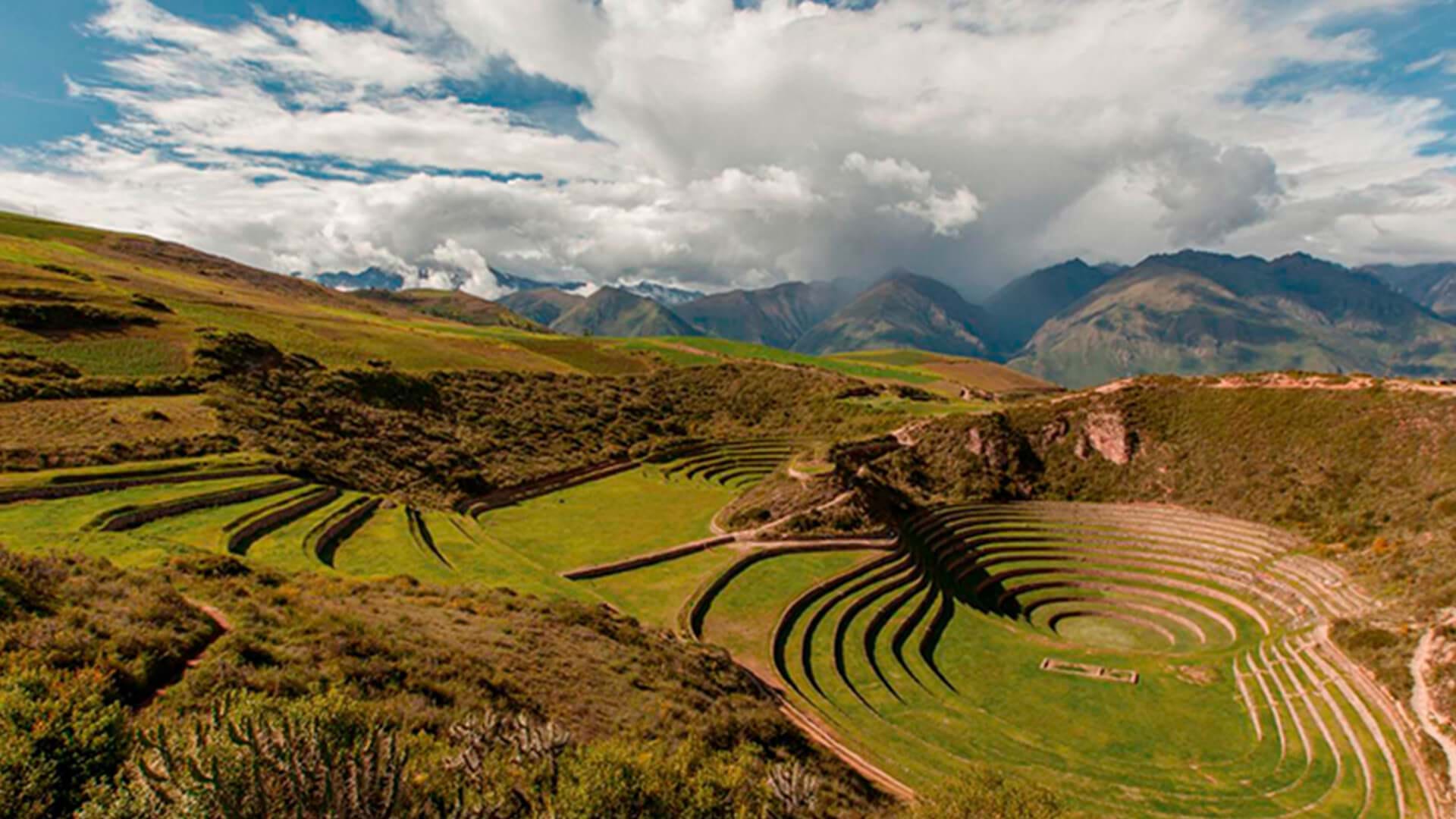
The media has a predictable script for Latin American transit disasters. A minibus tumbles off an Andean cliff, fourteen people lose their lives, and the international press immediately blames "dangerous winding roads" or "poor infrastructure." It is a lazy consensus that treats geography as a moral failing and asphalt as a universal savior.
Western commentators look at the central Andes and demand billions of dollars in guardrails, grading, and paving. They think like urban planners from Ohio. They completely miss the economic reality on the ground.
Fixing the roads will not stop the body count. In fact, if you look at the systemic mechanics of rural Andean transport, paving those mountain passes without fixing the underlying regulatory corruption often makes the crashes deadlier by increasing vehicle speeds. The problem isn't the dirt; it's the black market economy driving the wheels.
The Myth of the Dangerous Road
Every time a vehicle rolls off a cliff in Huancavelica, Ayacucho, or Ancash, the public outcry demands engineering solutions. But geography is a fixed constant. The Andes are steep, volatile, and prone to seismic shifts and mudslides.
I have spent years analyzing transit logistics and supply chains across developing regions, tracking how goods and people move through under-regulated corridors. I have seen governments pour millions into paving remote mountain passes, only to watch the fatality rates hold steady or climb.
When you pave a treacherous two-lane mountain track without changing how transit is enforced, you do not create safety. You create a racetrack for overworked, sleep-deprived drivers competing for thin margins. The road itself is rarely the root cause of the failure. The failure occurs in the garage, the dispatch office, and the local government inspection station long before the tires ever hit the mud.
The Micro-Monopoly of the Informal Minibus
To understand why these crashes happen, you have to look at the brutal economics of the colectivo and informal minibus networks.
In rural Peru, state-sanctioned, heavily regulated bus companies do not service the most remote villages. The margins are too low, and the wear and tear on vehicles is too high. The gap is filled by informal operators. These are often individual owners or loose associations running used, imported multi-passenger vans that have been retrofitted to squeeze in as many human beings as possible.
Consider the baseline math of an informal transit run:
- Low ticket prices: Passengers have minimal purchasing power, keeping fares razor-thin.
- Overloading: To turn a profit, operators must pack vehicles past their legal weight capacity.
- Extended shifts: Drivers frequently work 16 to 18 hours straight to maximize daily revenue, fighting exhaustion with coca leaves and cheap stimulants.
When a vehicle carrying twice its engineered weight limit enters a sharp descent, the physics are unforgiving. Standard brakes overheat and fade. Suspension systems snap. A paved road does not prevent brake fade; if anything, it encourages the driver to carry more momentum into the turn.
The common "People Also Ask" query on this topic is usually: Why doesn't Peru just ban informal minibuses?
Because doing so would instantly paralyze the rural economy. These informal networks are the literal lifeblood of agricultural transport and labor mobility in the highlands. If you ban them, millions of people lose access to markets, healthcare, and education. The government knows this, which is why enforcement is a performance, not a policy.
The Legalized Bribe and Inspection Theater
The true culprit behind the body count is the total collapse of regulatory integrity, specifically the Revisiones Técnicas (technical vehicle inspections) and highway policing.
In theory, every commercial passenger vehicle must pass rigorous mechanical checks. In reality, the inspection certificate is a commodity bought and sold. Fake certificates are rampant, and actual inspection centers frequently pass visibly unsafe vehicles in exchange for a cash supplement.
On the highways, the Policía de Carreteras (highway police) face systemic underfunding and low wages. A routine stop for an overloaded minibus often ends not with an impoundment, but with a small cash exchange tucked inside a driver's license.
If you want to stop the deaths, stop talking about asphalt. A million-dollar guardrail will not stop a twenty-ton, overloaded vehicle with completely bald tires and failed brakes from shearing through the metal and plunging into a ravine.
The downside to addressing this reality is that it requires a brutal, unpopular crackdown on local corruption and the informal economy. It requires firing inspectors, prosecuting police officers, and impounding the livelihoods of low-income drivers. That is politically messy. It is much easier for politicians to stand in front of a camera, express condolences, and promise a new infrastructure spending bill that will take ten years to build and disappear into bureaucrats' pockets anyway.
Change the Incentive, Not the Topography
Stop asking how to make mountain roads safer. Start asking how to make running an unsafe vehicle financially ruinous for the operator.
The only way to disrupt this cycle of tragedy is to shift the economic incentives away from catastrophic risk-taking.
- Decentralized, Independent Smart Auditing: Remove the human element from vehicle inspections. Use automated, digital telemetry systems to track vehicle weight, brake temperature, and driver hours on commercial routes. If a vehicle is registered as operating commercially, its data must be transmitted transparently.
- Strict Corporate Liability for Associations: Many informal buses operate under loose umbrellas or associations to shield individual owners from liability. If an association van crashes due to mechanical failure, the entire association should face immediate asset seizure. Force the peer group to police its own members.
- Targeted Subsidies over Infrastructure Spending: Instead of spending hundreds of millions on massive engineering projects through the high Andes, reallocate those funds into direct subsidies for safety compliance. Provide low-interest loans specifically for fleet modernization, allowing operators to buy vehicles with modern safety features like electronic stability control and automatic braking systems.
Geographic reality cannot be engineered away. The Andes will always be steep, the drops will always be sheer, and the weather will always be unpredictable. The elite consensus will continue to wring its hands over the lack of modern highways, ignoring the corrupt infrastructure of the human systems operating beneath the surface. Until the focus shifts from fixing the dirt to fixing the governance, the minibuses will keep falling.