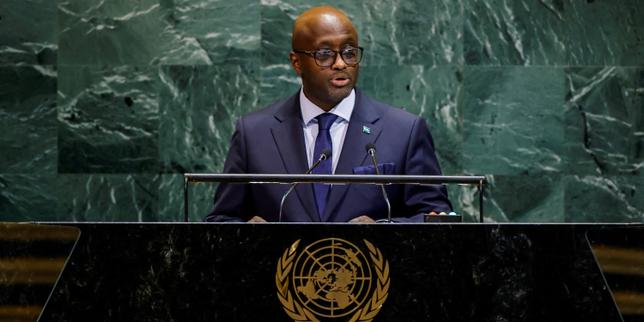
International diplomatic stages rarely witness the kind of raw confrontation that played out at the United Nations General Assembly. When Donald Trump took the podium and explicitly labeled Cuba an "absolutely failed state," he didn't just rattle traditional diplomatic protocols. He triggered an immediate, theatrical walkout by the Cuban delegation.
If you only caught the headline, you missed the deeper geopolitical chess match happening right beneath the surface. Washington isn't just throwing verbal punches. The administration has ramped up economic and oil blockades over the past year, weaponizing fuel shortages and crumbling infrastructure to squeeze Havana harder than ever before. For an alternative perspective, check out: this related article.
Why does this matter right now? Let's look past the political theater.
Cuba's leadership is currently grappling with rolling blackouts, scarce resources, and an aging energy grid that barely holds together. When Trump stood at the UN microphone to declare that "freedom will come to Cuba," it signaled a deliberate strategy. The White House wants total political turnover, and they are betting that maximum economic pressure will finally break the communist regime. Similar reporting on this trend has been provided by USA Today.
Critics argue that these sweeping sanctions amount to collective punishment, hitting ordinary citizens far harder than government officials. Meanwhile, hardline political groups—especially across Florida—cheer the aggressive posture, viewing it as long-overdue accountability.
The walkout itself was predictable. No sovereign government will sit quietly while a superpower brands them a failure on global television. Yet, the symbolism of empty seats speaks volumes about the current breakdown in bilateral communication. With Washington tightening the screws and Havana digging in its heels, finding a diplomatic middle ground looks nearly impossible.
Tensions are boiling over, and the fallout from this speech will shape Caribbean and Latin American politics for months.