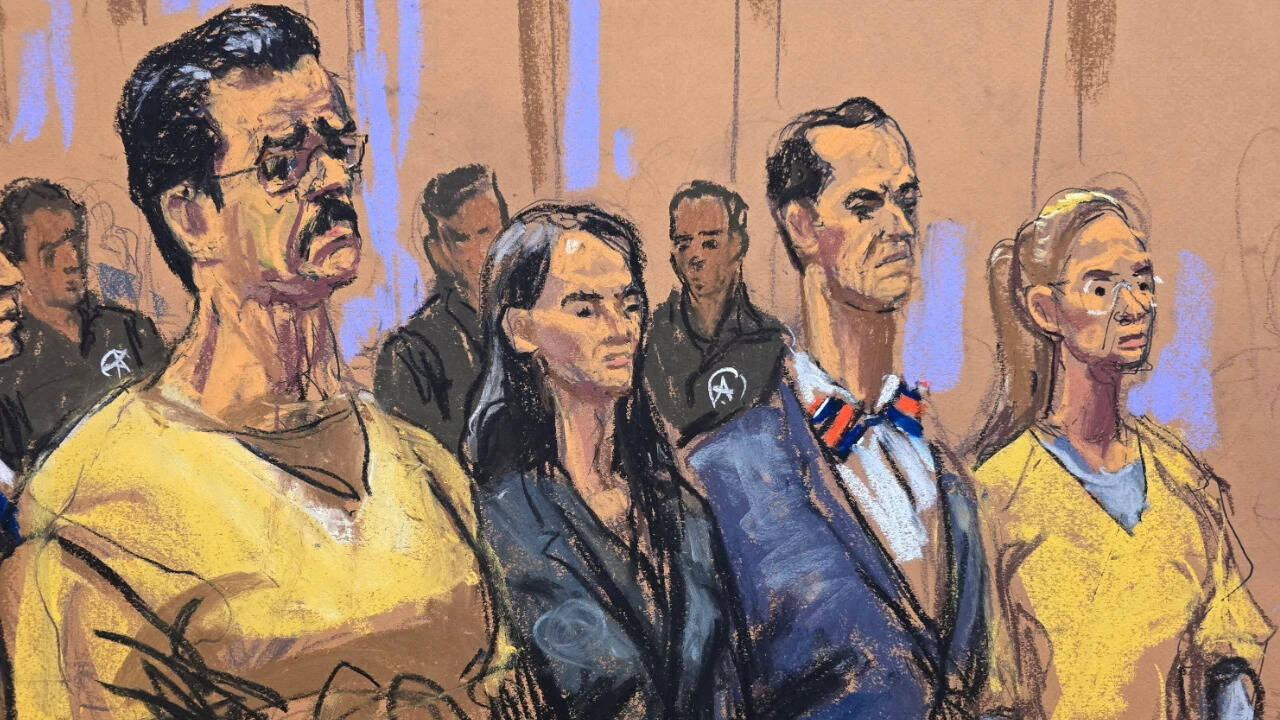
Nicolás Maduro called the new torture allegations "false accusations and false testimony" inside a Manhattan federal courtroom on October 15, 2026, while his wife, Cilia Flores, told the judge she was "completely innocent". Both denied leading a coordinated campaign of torture in Venezuela.
If you've only skimmed headlines about the pair pushing back in court, you might think this is just another noisy pretrial hearing in a sprawling narcotics case. It isn't. Prosecutors in the Southern District of New York rewrote their indictment on October 8, 2026, to layer torture conspiracy allegations—including alleged abuse of U.S. citizens—onto existing narco-terrorism, drug trafficking, and weapons charges after Maduro and Flores were seized by the U.S. military in Caracas in January 2026.
Then the ground shifted again. Federal Judge Alvin K. Hellerstein, who entered a not-guilty plea on Maduro's behalf when Maduro twice declined to enter one himself, died at age 92 on October 28, 2026. U.S. District Judge Analisa Torres stepped in to take over the case, and their trial is currently set for June 14, 2027.
Why the Torture Indictment Changes the Legal Fight
A straightforward reading of the courtroom clash makes it look like a simple tug-of-war between prosecutors and defiant defendants. In reality, adding torture charges changes the legal terrain in ways that matter far beyond a catchy headline.
Earlier phases of the case centered heavily on narcotics conspiracies, weapons offenses, and alleged ties to armed groups. By weaving torture allegations stretching back to Maduro's rise to power in 2013—and alleging broader patterns of state repression and abuse against detainees, including American citizens—federal prosecutors broadened both the moral stakes and the jurisdictional hooks of the case. As legal observers and reporting on the indictment note, torture is treated as a grave international crime that can be prosecuted outside the country where the alleged abuse occurred.
From a defense standpoint, that creates a sharp tension. Defense attorneys have argued that the U.S. case should be thrown out based on sovereign immunity, while Maduro's lawyer Barry Pollack stated when the charges were unveiled that Maduro denies them and looks forward to his day in court. Yet once a prosecution frames conduct around torture and alleged harm to U.S. citizens, it invites fierce arguments over whether official acts immunity applies at all—and it puts an entirely different set of witnesses and victims at the center of the courtroom.
Here's the catch people often overlook: an indictment is a set of accusations, not proof. When a defendant stands in a federal courtroom and calls accusations false, that response is part of the formal legal posture of the case, not a verdict on what happened in Venezuelan detention centers.
Inside the October 15 Courtroom Moment
Watching how Maduro and Flores handled that October 15 appearance shows two distinct styles under pressure, even though both landed on the same legal position.
Maduro pushed back sharply through an interpreter, branding the allegations false accusations and false testimony. When he twice declined to enter a plea himself, Judge Hellerstein stepped in and entered a not-guilty plea on his behalf. That moment captured the friction between a former head of state treating a U.S. federal prosecution as politically illegitimate and a federal judge keeping the criminal docket moving according to courtroom rules.
Flores took a slightly different tack. After stating she had read a Spanish-language version of the revised indictment, she told the court through a Spanish interpreter that she was completely innocent and not guilty. Earlier in October, Judge Hellerstein had denied her request for bail and house arrest, keeping both defendants in custody ahead of trial.
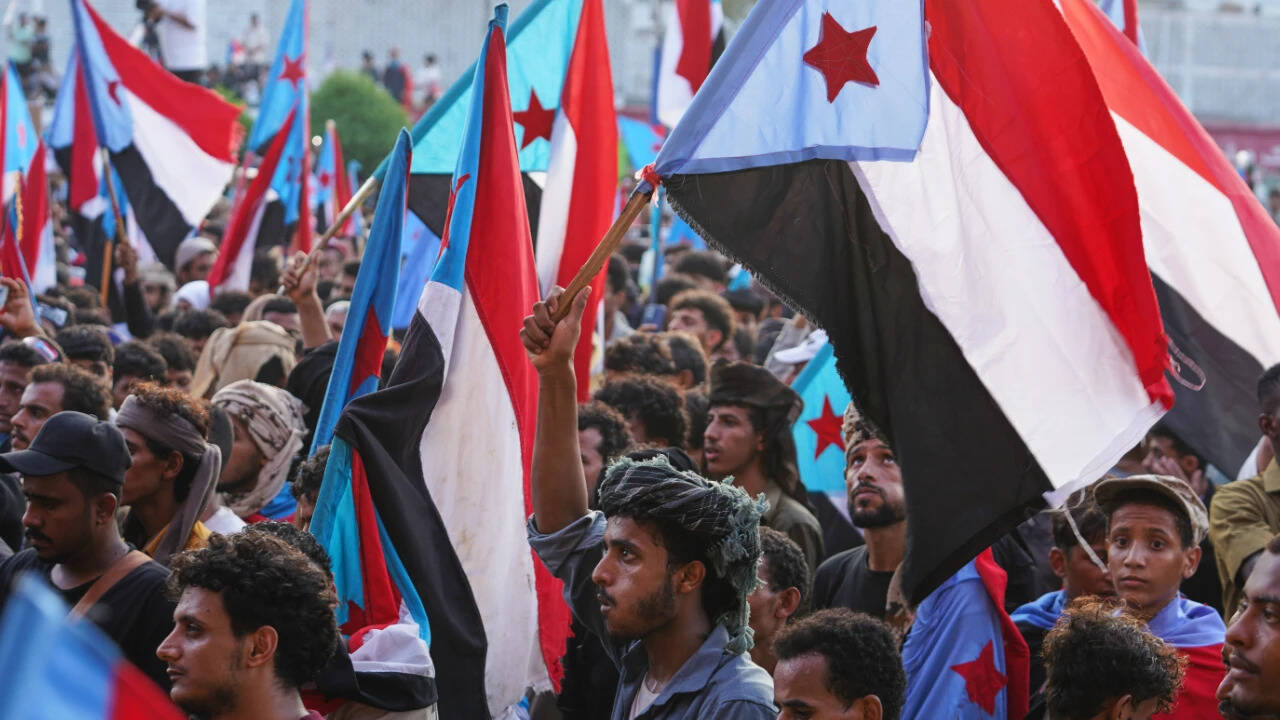
Outside the courthouse, scenes remained polarized, with demonstrators gathering to protest or support the defendants while the legal machinery inside moved slowly toward a trial date pushed two weeks later to June 14, 2027.
What Judge Alvin Hellerstein's Death Means for the Docket
If you haven't checked the docket since mid-October, you might miss one of the biggest procedural shifts in the entire prosecution. Judge Alvin K. Hellerstein, a long-serving Southern District of New York jurist appointed in 1998 who oversaw high-profile matters including 9/11 litigation, died on October 28, 2026, at age 92.
Even in his final weeks on the bench, Hellerstein was visibly strained—at an October 8 bail hearing for Flores, he mentioned having a voice problem while pressing forward—yet he remained determined to shepherd the case toward its scheduled trial. His passing meant the case had to be reassigned within the Southern District of New York, bringing in Judge Analisa Torres.
Switching judges midway through complex pretrial litigation doesn't automatically erase prior rulings, nor does it magically solve disputes over immunity, evidence, or defense funding. It does, however, introduce a new judicial temperament on evidentiary motions, scheduling, and pretrial disputes as the parties head toward their next scheduled court appearance on December 17, 2026.
Common Misconceptions About This Case
Whenever a major international figure faces federal charges in New York, narratives harden fast on both sides. A few assumptions trip people up constantly:
- A not-guilty plea settles the facts. It doesn't. A not-guilty plea is the starting gate in federal criminal procedure; it forces the government to prove its case beyond a reasonable doubt at trial.
- Adding torture charges means the original drug case disappeared. False. The torture allegations were added via a rewritten superseding indictment alongside the existing narcotics, narco-terrorism, and weapons framework, not as a replacement that wipes out earlier counts.
- Sovereign immunity is an automatic off-switch. Not necessarily. Courts scrutinize head-of-state and former-official immunity claims closely, especially when U.S. prosecutors allege criminal conspiracies, narcotics offenses, and torture involving U.S. citizens.
- The trial is happening right away. Actually, the trial is slated to begin June 14, 2027, giving lawyers months of pretrial motions, discovery fights, and hearing dates first.
How to Follow the Case Without Getting Burned by Noise
Honestly, social media clips and partisan commentary around this case are loud, repetitive, and often detached from what's actually filed in court. If you want to track what's real without getting pulled into rumor cycles, focus on primary court developments and credible reporting.
Start by checking official filings and releases from the U.S. Attorney's Office for the Southern District of New York, which publishes superseding indictments and case announcements directly. Pair those primary documents with established wire and newsroom coverage—such as the Associated Press and PBS News—to verify exact dates, plea records, and judicial rulings. Finally, mark the December 17, 2026 pretrial hearing on your calendar and watch for any motions filed under Judge Analisa Torres ahead of the June 14, 2027 trial start, because pretrial immunity and evidence rulings usually shape what a jury ever hears.