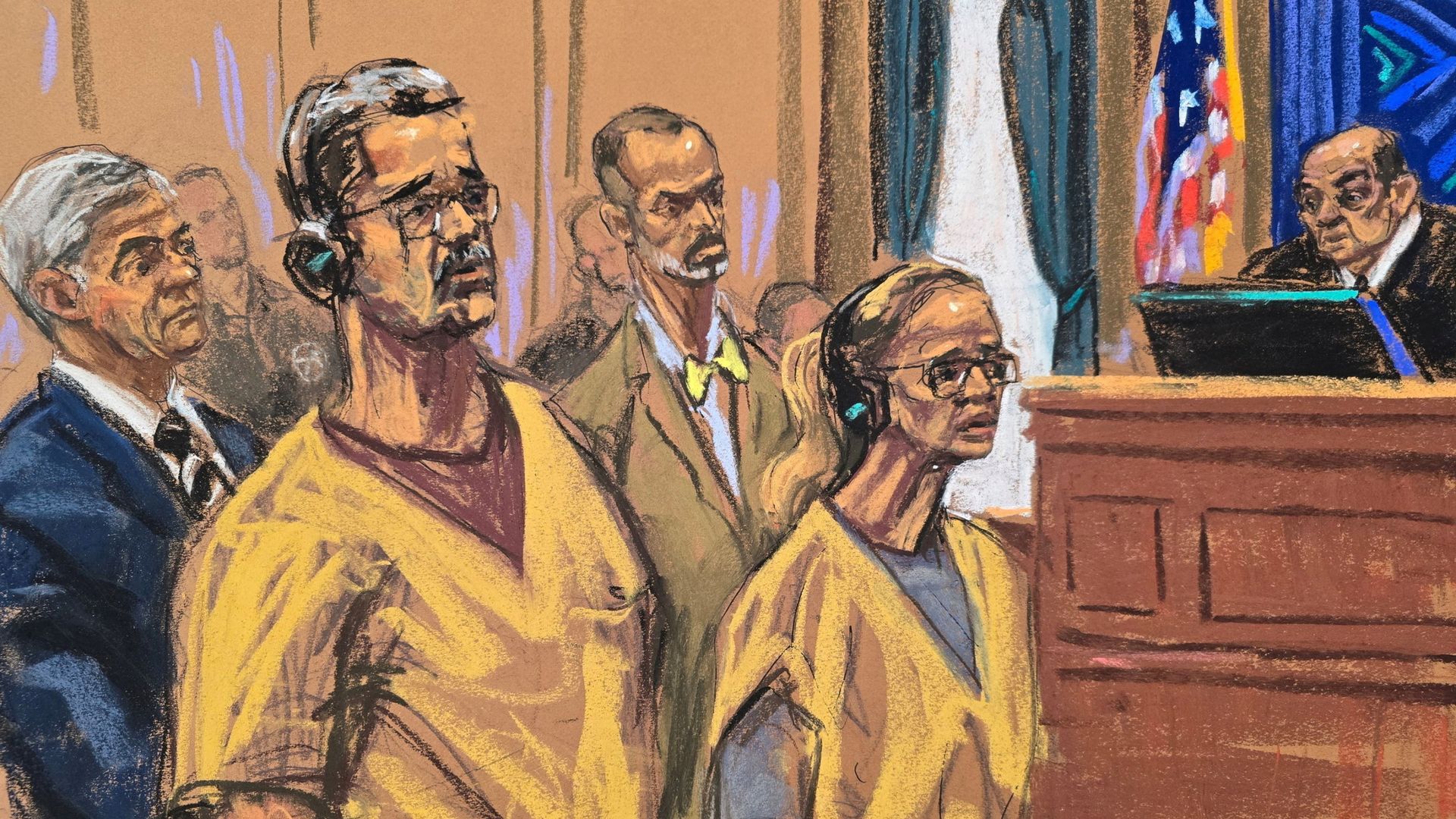
Nicolás Maduro walked into a Manhattan federal courtroom in ankle shackles and called the new torture allegations against him and his wife "false accusations and false testimony". Cilia Flores, standing beside him, struck a quieter tone through a Spanish interpreter: "I am completely innocent. I am not guilty".
On paper, that looks like a routine criminal denial. In reality, it's a watershed moment for international accountability and U.S. prosecutorial reach. Also making waves in this space: Inside the White House Press Exit Nobody Saw Coming.
When federal prosecutors in the Southern District of New York unveiled a revised indictment in October 2026 adding conspiracy to commit torture against Maduro and Flores, they didn't just tack on extra counts to an existing narcotics case. They pulled a long-standing Venezuelan human rights crisis into a U.S. federal court after the pair was seized from Caracas during a U.S. military raid in January 2026. And by pushing back so sharply in court, Maduro and Flores are testing whether a U.S. jury will buy their defense—or whether sovereign immunity and credibility battles will define the run-up to their June 2027 trial.
How a narcotics case became a torture prosecution
Anyone who only followed the early headlines about Maduro's legal trouble might think this started and ended with cocaine trafficking. Back in March 2020, during the first Trump administration, prosecutors in the Southern District of New York indicted Maduro and 14 others on narco-terrorism and drug charges. Following the January 3, 2026 nighttime raid in Caracas that brought Maduro and Flores into U.S. custody, the case escalated dramatically. More insights regarding the matter are detailed by Reuters.
Then came the October 8, 2026 superseding indictment. Federal prosecutors—led by the U.S. Attorney's Office for the Southern District of New York alongside the Justice Department's National Security Division—alleged that Maduro and Flores sat at the top of a system that used corruption, cartels, and state security forces to enrich themselves while terrorizing political opponents and detainees, including U.S. citizens.
Look closely at what prosecutors actually put in the indictment. It spans allegations stretching back to 2013, when Maduro took over after Hugo Chávez's death, and points to abuses at facilities such as Boleita Norte and Ramo Verde. Prosecutors describe electric shock, asphyxiation, beatings, simulated drowning, forced nudity, prolonged isolation, starvation, and threats against victims' families, including children. Against Flores, a former attorney general, the filing alleges she helped build the repressive apparatus and ordered the torture of specific detainees.
From a legal standpoint, that shift changes the stakes completely. Torture isn't just a domestic crime in Venezuela. Under international law and U.S. statute, torture can be prosecuted extraterritorially regardless of where the abuse occurred or the nationality of the victims, though federal prosecutions of foreign officials for torture remain rare. When prosecutors pair alleged narco-trafficking with alleged state-sanctioned torture, they're arguing that brutality wasn't a side effect of governance. They claim it was part of the operating model.
Why Maduro and Flores pushed back in court
During the October 15, 2026 court appearance before U.S. District Judge Alvin K. Hellerstein, the contrast between the two defendants stood out right away.
Maduro didn't stay quiet when asked about his plea. Speaking through an interpreter, he challenged the indictment twice, calling out what he termed false accusations and false testimony. When he resisted entering a straightforward plea, Judge Hellerstein stepped in and entered a not-guilty plea on his behalf. Flores took a more measured route. After confirming she had reviewed a Spanish translation of the revised indictment, she stated plainly that she was completely innocent and not guilty.
Their defense rests on a two-track strategy: challenging the truth of the allegations on the merits while arguing their former official roles shield them from U.S. prosecution.
Maduro's attorney, Barry Pollack, previously emphasized that the 63-year-old former president denies the allegations and looks forward to his day in court. Across the broader case, defense lawyers have argued that the charges should be dismissed on immunity grounds, pointing to Maduro's status as head of state and Flores's role as first lady.
Honestly, that defense faces steep hurdles in a Manhattan courtroom. First, U.S. courts don't automatically treat former leaders accused of severe human rights abuses or criminal conspiracies as immune, especially when the executive branch refuses to recognize their authority or immunity. Second, calling witnesses' accounts "false testimony" works only if the defense can poke real holes in witness credibility, chain of command, or documentary links between top officials and prison interrogators.
Common misconceptions about the torture charges
Whenever a high-profile political figure faces a dramatic new indictment, misinformation spreads almost as fast as the court transcripts. A few points deserve clear context:
- The torture allegations aren't just vague political rhetoric. While Maduro and his allies have long dismissed human rights criticisms as politically motivated, the U.S. indictment cites specific detention centers, methods, and patterns of abuse stretching back to 2013, alongside prior public documentation of abuses in Venezuelan custody. That doesn't prove guilt—a jury decides that—but it means prosecutors have structured concrete evidentiary claims rather than broad slogans.
- Flores isn't merely a passive bystander in the indictment. Casual coverage sometimes treats Flores as an add-on defendant because of her marriage to Maduro. Prosecutors specifically allege she played an active role in shaping repressive mechanisms and ordering abuse of specific individuals.
- A "not guilty" plea isn't an acquittal. When Maduro balked and Judge Hellerstein entered a not-guilty plea for him, that simply preserved his trial rights and moved the case forward on the court calendar. Pretrial hearings—including one scheduled for December 17, 2026—will test motions, evidence disclosures, and legal arguments long before a verdict is possible.
- U.S. torture prosecutions aren't totally unprecedented. Bringing foreign officials into U.S. court on torture charges is uncommon, yet federal prosecutors have pursued similar accountability in other international abuse cases, such as proceedings involving the son of former Liberian president Charles Taylor, Russians accused of war crimes in Ukraine, and a former Syrian prison warden under Bashar al-Assad's regime.
What this case means beyond New York
If you zoom out from the courtroom in Lower Manhattan, this prosecution carries weight far beyond two defendants.
For years, victims' advocates and international investigators have documented widespread abuse inside Venezuelan detention facilities, often running into brick walls when trying to get binding accountability against top decision-makers. Putting those allegations inside a U.S. federal indictment—and tying them directly to command and oversight claims—shifts how human rights evidence is used in criminal courts.
At the same time, the case raises thorny questions about jurisdiction, sovereignty, and how military capture intersects with civilian criminal trials. Even supporters of aggressive human rights enforcement watch cases like this closely because legal rulings on immunity, extraterritorial jurisdiction, and admissibility of testimony can set precedents that echo in future international cases.
With the trial set to begin June 14, 2027, the next several months will be all about paperwork, pretrial rulings, and positioning. Prosecutors will try to lock in witness testimony and prove command responsibility; the defense will try to knock out charges early or cast doubt on every link in the chain.
If you're following the case closely, don't rely on soundbites from either side. Read primary court filings from the U.S. Attorney's Office for the Southern District of New York to see the exact counts alleged, track docket updates ahead of the December 17, 2026 pretrial hearing, and pay attention to how Judge Hellerstein rules on immunity and evidentiary motions—those rulings will tell you far more about the case's trajectory than any courtroom exchange.
Maduro says new torture allegations against him and his wife are false. This video is relevant because it shows coverage of Nicolás Maduro rejecting the new torture allegations made against him and Cilia Flores.