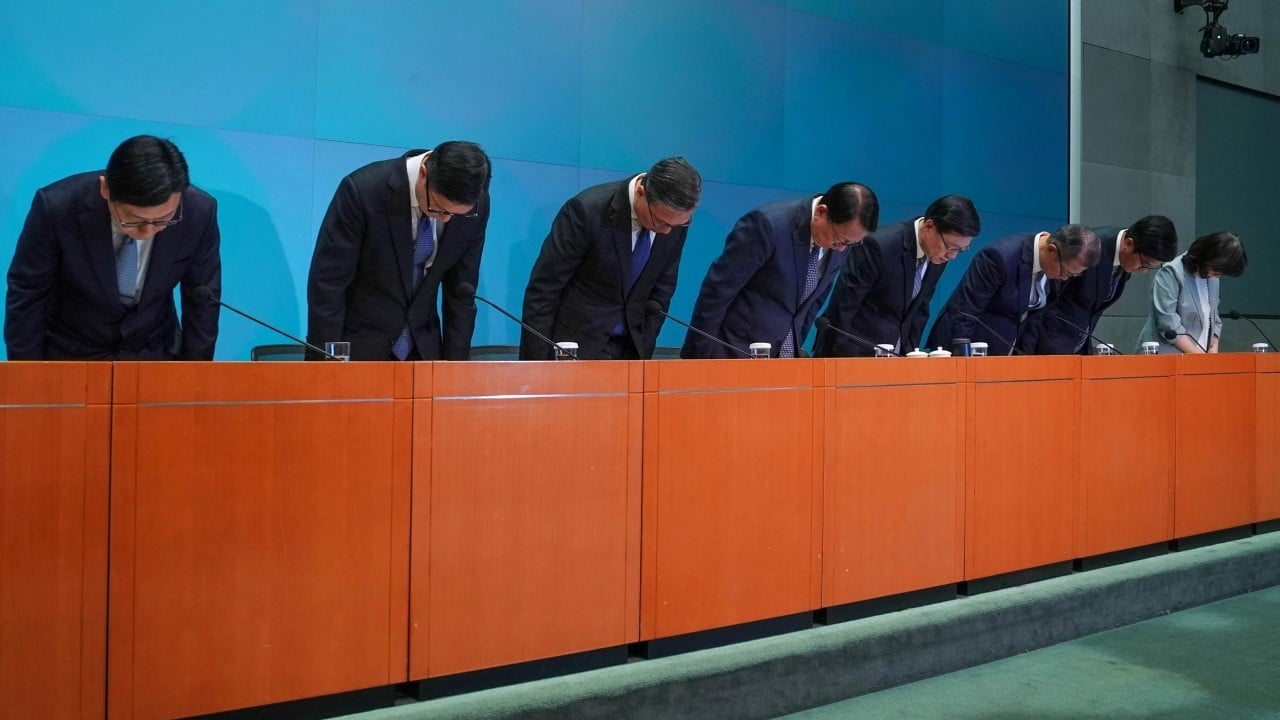
Accountability in Hong Kong politics rarely comes with a sudden resignation and a public mea culpa from the top. Yet that’s exactly what happened following the devastating Tai Po fire, where Chief Executive John Lee stepped up to apologize, announce sweeping safety reforms, and accept the departure of the city's housing chief. If you’ve only skimmed the headlines, you might think this is just standard crisis management. It isn't.
When a residential fire tears through an aging district like Tai Po, the political fallout runs much deeper than the immediate emergency response. The tragedy exposed long-standing cracks in how Hong Kong manages older residential buildings, enforces fire codes, and oversees subdivided flats. John Lee’s public apology wasn't merely a gesture of sympathy for the victims and their families. It was a calculated admission that systemic oversight had failed, forcing a high-profile cabinet exit and a complete rethink of urban housing enforcement.
Why the Tai Po Fire Became a Political Flashpoint
Tai Po sits in the New Territories, an area characterized by a stark mix of modern high-rises, traditional village houses, and aging tenement blocks built decades ago. Fires in older Hong Kong districts aren't new, and residents have complained for years about blocked fire exits, aging electrical wiring, and unauthorized structural alterations. When the blaze broke out in Tai Po, the speed at which it spread—and the tragic loss of life and property—turned localized frustration into a citywide demand for answers.
You have to understand the political climate in Hong Kong to see why this specific incident hit so hard. Over the past few years, the government has repeatedly promised to tackle "deep-seated livelihood issues," with housing sitting right at the top of that list. Beijing has explicitly instructed Hong Kong’s leadership to fix its notorious housing crisis and eliminate substandard living conditions. A deadly fire tied directly to building management and housing oversight strikes at the exact metric by which John Lee’s administration is being judged.
People weren't just angry about the fire itself. They were furious because the warning signs had been documented for years. Inspections had lagged behind schedule, enforcement orders went unfulfilled, and bureaucratic finger-pointing between different departments slowed down basic safety upgrades.
The Resignation of the Housing Chief
In Hong Kong’s Principal Officials Accountability System, introduced back in 2002, cabinet secretaries are supposed to take political responsibility when major policy failures happen on their watch. In practice, high-level resignations over domestic policy mishaps have been remarkably rare. Officials usually weather the storm, promise internal reviews, and quietly move on.
That’s what makes the housing chief's resignation so significant. Stepping down signals that the administration recognized a simple apology wouldn't satisfy public anger or scrutiny from higher up. By accepting the resignation, John Lee drew a clear line under past administrative failures and created political space to introduce aggressive new measures.
Does one resignation fix decades of neglected building maintenance? Of course not. Bureaucracies don't change overnight just because the person in the corner office packs their boxes. Still, removing the top official sends an unmistakable shockwave through the civil service. Department heads across the Buildings Department, the Fire Services Department, and the Housing Bureau now know that slow-walking safety inspections carries real career consequences.
Breaking Down John Lee’s New Fire and Housing Reforms
Apologies and resignations make good headlines, but policy changes determine whether people actually stay safe in their homes. Alongside his public apology, John Lee laid out a package of reforms aimed at closing the exact regulatory loopholes that turned the Tai Po fire into a catastrophe.
Here is what the reform package actually targets and why those specific changes matter on the ground:
- Mandatory timelines for fire safety directions. Previously, building owners and owners' corporations could drag out compliance with fire safety orders for years, citing financial difficulties or coordination headaches. The new rules introduce strict deadlines backed by escalating financial penalties and direct government intervention.
- Streamlined inter-departmental enforcement. One of the biggest headaches in Hong Kong building management is overlapping jurisdiction. The Fire Services Department handles fire equipment, while the Buildings Department oversees structural exits and alterations. Lee’s reforms establish a unified task force to conduct joint inspections and issue consolidated orders, cutting out the bureaucratic limbo that used to stall enforcement.
- Targeted crackdowns on high-risk subdivided units. Subdivided flats often feature makeshift partitions made of flammable materials, overloaded electrical circuits, and blocked corridors. The administration is accelerating registration and inspection schedules for these units, pairing enforcement with expanded transitional housing options so displaced low-income residents aren't left on the street.
- Expanded financial subsidies for older buildings. Many aging buildings in districts like Tai Po lack active owners' corporations, making it nearly impossible to organize and fund major fire safety retrofits. The government is boosting funding under existing building rehabilitation schemes and allowing authorities to step in, complete the mandatory safety work first, and recover costs from owners later.
The Problem With "Three-Nil" Buildings
If you want to understand why fire safety in Hong Kong is such a stubborn mess, look at what locals call "three-nil" buildings. These are older residential blocks that have no owners' corporation, no residents' organization, and no property management company. Nobody is in charge.
When a fire safety notice arrives at a three-nil building, it often gets taped to a crumbling lobby wall and ignored. Individual flat owners either can't agree on how to split the repair bill or simply don't have the cash. Meanwhile, stairwells fill up with discarded furniture, fire doors get propped open for ventilation, and antiquated wiring heats up every summer when air conditioners run non-stop.
John Lee’s push to let government contractors execute safety upgrades first and bill owners afterward directly attacks this bottleneck. It’s a practical shift away from endless legal notices toward physical compliance.
What the Critics Are Saying
Not everyone is convinced the reforms will work as smoothly as advertised. Housing advocates, district councilors, and building surveyors have pointed out several real-world hurdles that legislation alone won't solve.
First, there’s a severe manpower shortage in Hong Kong’s construction and engineering sectors. Ordering thousands of aging buildings to upgrade their sprinkler systems, fire-rated doors, and electrical wiring all at once creates a massive supply bottleneck. Registered contractors are already stretched thin, and sudden spikes in demand inevitably drive up costs for ordinary homeowners.
Second, tenant groups worry about unintended consequences for low-income families. When authorities crack down hard on unauthorized structures and subdivided flats, landlords frequently pass compliance costs onto tenants or simply evict them to avoid fines. Without enough immediate public housing or transitional units ready to absorb displaced families, aggressive enforcement risks pushing vulnerable residents into even worse hidden living conditions.
Third, skepticism remains high regarding long-term follow-through. Hong Kong has seen bursts of regulatory enthusiasm after previous tragedies, such as the deadly 2010 Ma Tau Wai Road building collapse or major industrial building fires in Kowloon Bay. Once media attention fades, enforcement often reverts to its usual sluggish pace.
Lessons for Property Owners and Tenants in Hong Kong
Whether you own a flat in an older New Territories block, rent a subdivided unit, or sit on an owners' corporation committee, this policy shift directly affects you. Waiting around to see how strictly the government enforces the new rules is a bad gamble.
If you are a flat owner or part of an owners' corporation, pull out any outstanding Fire Safety Directions issued to your building over the past five years. Under the revised enforcement framework, old notices that were sitting in limbo will be the first ones flagged for mandatory deadlines and fines. Engage an Authorized Person or registered fire service installation contractor now before contractor backlogs push prices higher.
If you are renting in an older building or subdivided flat, take ten minutes today to check your immediate environment. Make sure your unit's main exit and the building's common staircases are completely free of clutter, locked gates, or stored goods. Check that your building actually has functioning fire extinguishers and hose reels on your floor—if they're missing or expired, report it immediately through the Fire Services Department’s hotline or the government's 1823 portal, which now feeds directly into the priority inspection queue.
If you are a landlord of subdivided units, review your electrical load and partition materials immediately. The grace period for informal, non-compliant subdivisions is effectively over, and liability standards following the Tai Po tragedy mean turning a blind eye to fire hazards carries severe legal and financial exposure.
John Lee’s apology and the housing chief's resignation mark a rare moment of political accountability in Hong Kong, but signatures on reform papers don't put out fires—consistent, relentless enforcement on the ground does.