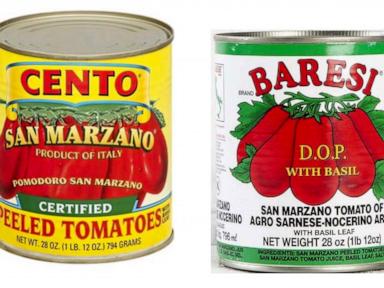
You’ve seen the cans. They’re usually the ones with the hand-drawn illustrations and the higher price tag, sitting on the grocery shelf like a VIP in the pasta aisle. You buy them because you want the "Ferrari of tomatoes." But a recent lawsuit is calling those labels a lie, and the company behind them is firing back, calling the whole thing meritless.
We're talking about the latest legal firestorm surrounding San Marzano tomatoes—specifically the claims that what you’re pouring into your saucepan isn't actually what the label says it is. If you've ever felt like your expensive "Italian" sauce tasted a little... ordinary, you might not be crazy.
The Core of the Tomato Fraud Claim
The lawsuit targets Simpson Imports, the company behind the widely recognized SMT (San Merican Tomatoes) brand. For years, these cans featured graphics that screamed "authentic Italian heritage." But according to the plaintiff, Andrea Valiente, the marketing is a calculated effort to trick you into thinking you're buying genuine San Marzano tomatoes from Italy, when you’re actually getting a proprietary blend of Roma tomatoes grown elsewhere.
It’s a classic bait-and-switch allegation. The lawsuit claims the packaging—complete with its specific font and imagery—mimics the style of high-end Italian imports to justify a premium price. The company’s defense? They’ve been using the "San Merican" name for nearly a decade. They even claim the tomato drawing on the label was a childhood sketch from the founder. Honestly, it sounds a bit convenient, doesn't it?
Why San Marzano Labels Are So Confusing
Most people don't realize that "San Marzano" is both a type of seed and a protected designation of origin. In the European Union, a "true" San Marzano must have the DOP (Denominazione d'Origine Protetta) seal. This means:
- The tomatoes were grown in the volcanic soil of the Sarnese-Nocerino region near Mount Vesuvius.
- They were harvested by hand.
- The vines were grown vertically.
- The can features a unique tracking number.
Here’s the catch: the U.S. government doesn’t strictly enforce DOP rules. In America, you can slap "San Marzano" on a can if the seeds are the right variety, even if they were grown in a field in California or New Jersey. This creates a massive gray area where brands can look Italian without actually being Italian.
The Problem With "Style" and "Certified"
This isn't the first time the tomato industry has landed in court. Cento Fine Foods, another giant in the space, faced a similar class-action suit a few years ago. Plaintiffs argued that Cento’s "Certified" label was misleading because it wasn't certified by the official Italian consortium.
Cento won that round. Why? Because they were technically using a third-party certifier. The court ruled that a "reasonable consumer" wouldn't necessarily know that "certified" only meant the specific Italian organization. It’s a legal loophole you could drive a truck through.
How to Spot a Fake Before You Buy
If you're tired of being a pawn in the tomato wars, you need to look past the pretty drawings. Most "tomato fraud" happens because shoppers buy the vibe, not the facts.
- Check for the DOP Seal: If it doesn't have the red and yellow sunburst seal and a consortium number, it’s not a protected Italian product. Period.
- Read the Origin: Look for the small print. If it says "Grown in the USA" or "Packed in California," you're paying a premium for domestic fruit. There’s nothing wrong with California tomatoes—they’re actually some of the best in the world—but don't pay Italian import prices for them.
- Beware of Abbreviations: SMT, San Marzano Brand, San Marzano Style. These are marketing maneuvers designed to keep the name without the regulations.
The Reality of the "Meritless" Defense
When a company calls a lawsuit "meritless," it’s often a standard PR move. But in the food industry, it’s also a bet on the "reasonable consumer" standard. Companies know that most people don't spend twenty minutes in the grocery aisle researching soil pH and vertical vine growth. They rely on the fact that if the label is technically true—like calling a tomato "San Merican" instead of "San Marzano"—they can usually beat the fraud charges.
This lawsuit matters because it challenges the "visual language" of food. It asks if a company can be held liable for implying something is premium even if they don't explicitly lie in the text.
If you want the real deal, stop looking at the pictures. Turn the can around and look for the specific certifications. If you see "San Merican" or "San Marzano Style," just know you're buying a brand, not a heritage. If the taste justifies the price for you, keep buying it. Just don't let a childhood drawing trick you into thinking you're eating at the base of a volcano.
Start checking the back of your cans today. If you find a domestic brand charging more than five dollars for "style" without the substance, it’s time to swap it for a transparent California brand that doesn't feel the need to hide behind a mask.