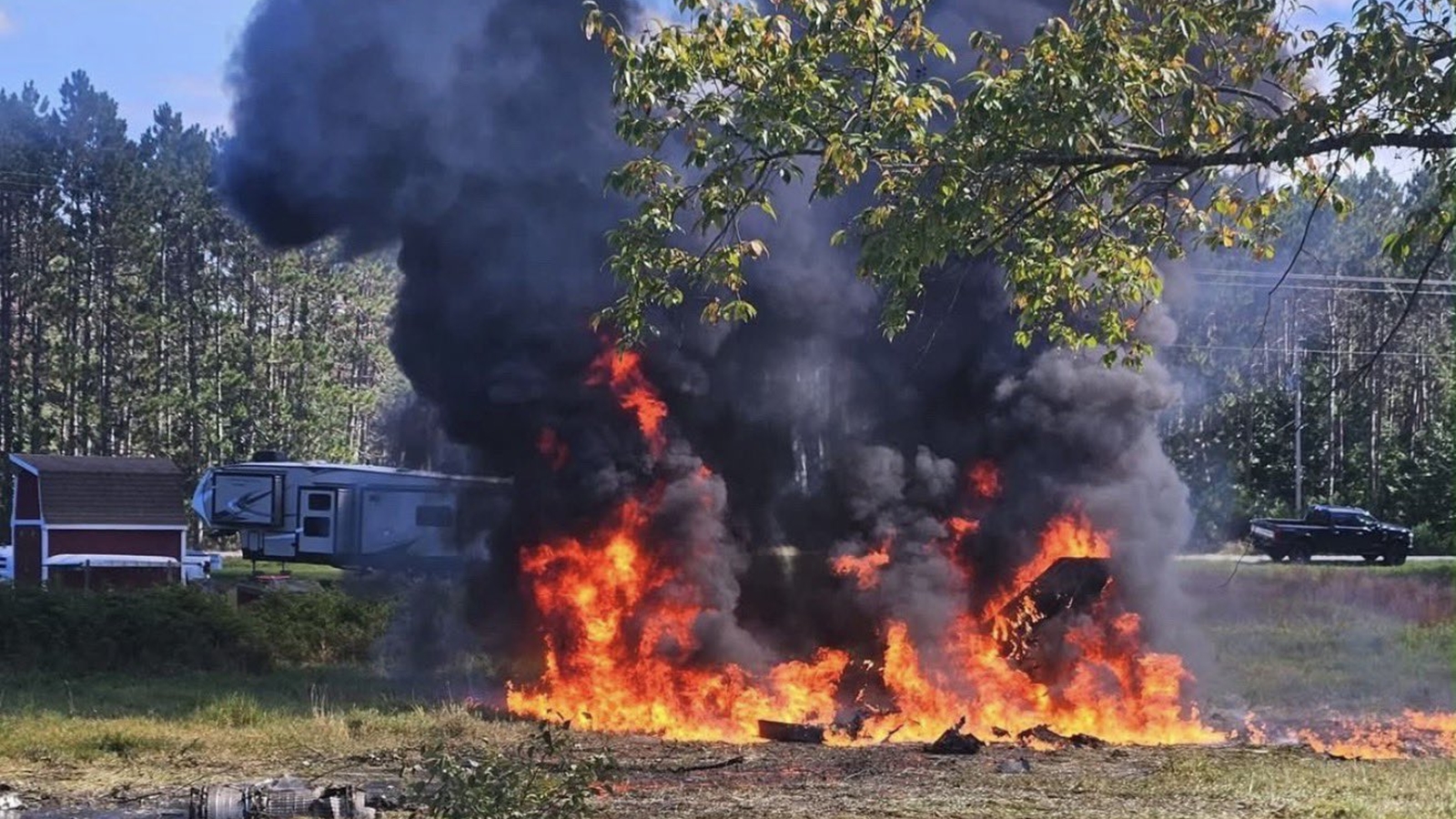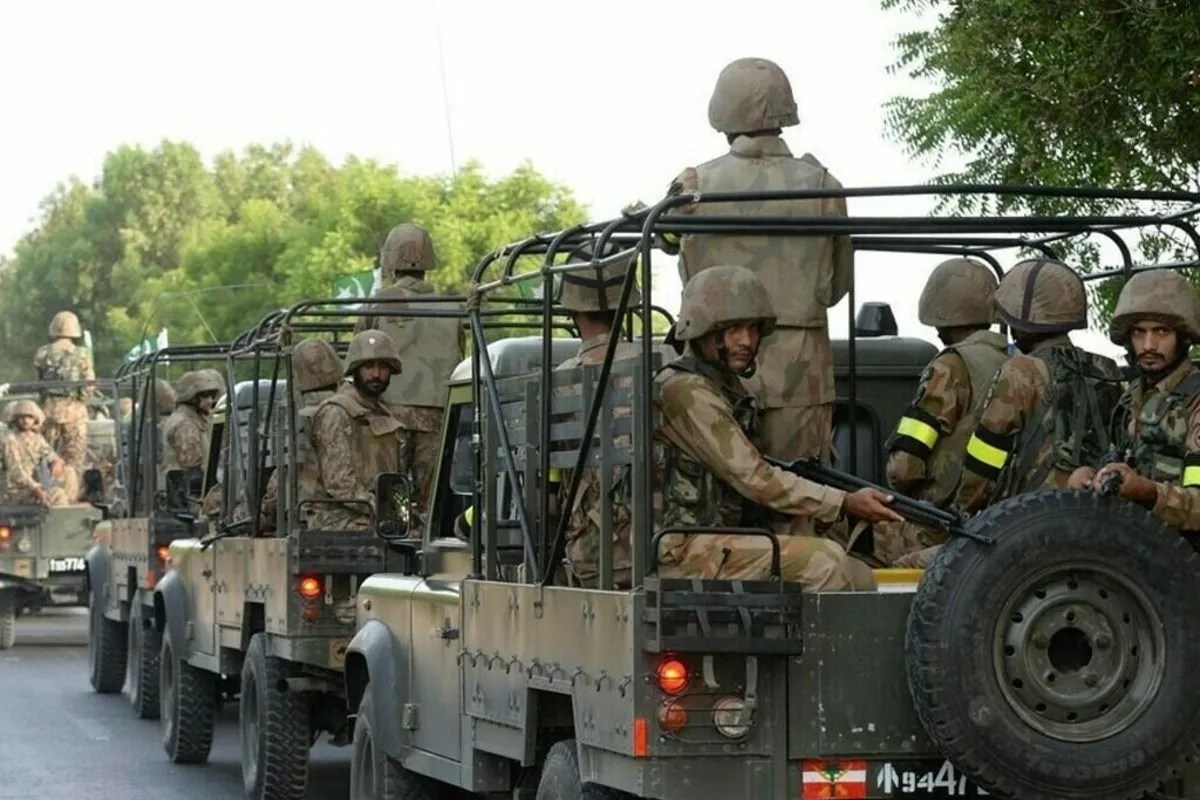
Missiles don't just fall out of the sky by accident. When an office tower in Riyadh's financial district takes a direct hit from shrapnel or an oil facility catches fire, the mainstream news cycle often treats it as a random, isolated incident. It isn't. The recent surge in Houthi drone and ballistic missile strikes targeting Saudi military positions and vital energy infrastructure points to a much deeper, calculated escalation. You can't understand what's happening in the Middle East right now if you look at these attacks through a temporary lens. This conflict has shifted gears entirely, and the consequences reach far beyond the borders of Yemen and Saudi Arabia.
Let's clear up a major misconception right away. Many casual observers assume these border skirmishes are just local domestic disputes between regional neighbors. They aren't. They represent a complex proxy matrix involving heavily armed non-state actors, advanced asymmetric warfare tactics, and shifting global energy dependencies. When Houthi military spokespeople claim responsibility for hitting Aramco installations or international airports, they are sending a direct message to Riyadh and its Western allies. They want maximum economic disruption, and they know precisely which buttons to push.
The Strategic Logic Behind Targeting Energy Assets
Energy assets are the lifeblood of the global economy, and the Houthis know it. Why strike empty desert when you can hit the facilities that power industrial nations? For years, critical infrastructure like processing plants, pipeline pumping stations, and refinery storage tanks have been primary targets.
When drones and cruise missiles fly hundreds of miles across the Arabian Peninsula, they expose the harsh vulnerabilities of modern air defense networks. Even when Saudi Patriot batteries or coalition interceptors successfully shoot down incoming threats, falling debris still wreaks havoc. Shrapnel shatters windows, ignites localized fires, and panics international markets. Oil prices react instantly to every flash of smoke visible from space.
You have to look at the economic calculus here. Every time a major refinery or administrative hub is threatened, insurance premiums for commercial shipping spike. Supply chains shudder. The cost of protecting these multi-billion-dollar installations climbs astronomically. The attackers don't need to win a conventional military war on the ground to achieve their strategic goals. They just need to impose a steady, high-cost attrition model that forces their adversaries to bleed resources day after day.
Inside the Technology of Asymmetric Warfare
Technology changed everything about how modern insurgencies fight. Twenty years ago, a rebel group operating out of the mountains of Yemen couldn't dream of threatening a wealthy, heavily armed goliath like Saudi Arabia. Today, off-the-shelf components, GPS guidance modules, and smuggled drone designs level the playing field.
These aren't primitive rockets fired blindly into the dark. The systems deployed in recent raids show remarkable sophistication. Long-range loitering munitions can evade radar detection by flying low-altitude corridors, hugging terrain features, and changing vectors mid-flight. When paired with ballistic missiles that arc high into the stratosphere before plunging down at supersonic speeds, defense planners face a nightmare scenario.
Building a multi-million-dollar defense shield against a swarm of inexpensive, mass-produced drones is mathematically unsustainable. That's the real trap. If a coalition spends millions of dollars on high-end interceptor missiles to destroy a device that costs a few thousand dollars to manufacture, the economic imbalance favors the attacker over the long run. Security experts have warned about this cost-asymmetry for years, but governments are still scrambling to find cost-effective kinetic or electronic countermeasures.
The Collapse of Truces and the Return of Open Hostilities
Diplomacy in the Middle East is fragile. A ceasefire that holds for a couple of years can evaporate in a single weekend of airstrikes and retaliation. That is precisely what happened when the post-2002 calm shattered into renewed violence.
When peace talks stall, military commanders take the wheel. Recent spikes in cross-border violence didn't happen in a vacuum. They followed intense airstrikes on populated areas and disputed provinces inside Yemen, which triggered immediate vows of vengeance from Sana'a. Once the cycle of retaliation starts, stopping it becomes nearly impossible without major concessions from all involved capitals.
Ordinary citizens pay the highest price while politicians posture. Families living near border towns or critical infrastructure hubs live with the constant hum of air raid sirens and the threat of falling debris. The humanitarian toll inside Yemen remains catastrophic, and every new wave of military escalation pushes millions deeper into poverty and displacement. Ignoring the human element of these strikes leaves you with a very sterile, incomplete picture of the geopolitical reality.
What Global Markets and Observers Fail to See
Most financial analysts focus exclusively on daily crude benchmarks, panicking whenever a headline mentions smoke near a Red Sea port or an oil terminal. But looking only at the spot price of oil misses the structural shift happening in global energy security.
Energy independence is a myth in an interconnected global market. Even nations that produce their own oil feel the shockwaves when Middle Eastern supply lines face persistent threats. Shipping lanes through crucial regional maritime chokepoints face constant disruption. When tankers have to reverse course or alter routes because of active missile threats, transit times double, freight costs explode, and inflation ripples through grocery stores and gas stations thousands of miles away.
You have to stop thinking of these events as distant foreign conflicts that don't affect your daily life. They do. They dictate the cost of fuel, the stability of international trade, and the geopolitical alliances that shape our world. The recent barrage of strikes on Saudi soil is a loud warning bell. Ignoring it won't make the underlying tensions disappear. It only guarantees that the next escalation will be even harder to contain.