Tokyo just ripped up its old defense playbook. For decades, Japan relied on a simple arrangement where its Self-Defense Forces acted as a defensive shield while the American military swung the offensive sword. That era is dead. Under its latest defense strategy revamp, Japan is actively fortifying denial capabilities alongside the United States to stop regional aggression before it even crosses the water.
Most headlines treat this like a routine military budget bump. They miss the point entirely. We aren't looking at a country simply buying more fighter jets or padding its troop numbers. Tokyo is fundamentally changing how war is prevented in the Indo-Pacific, shifting from passive defense to active deterrence by denial.
If you've followed East Asian security over the past five years, you've watched the strategic math change in real time. Beijing's rapid naval expansion, North Korea's relentless ballistic missile tests, and Russia's unpredictable posture in the north forced Tokyo's hand. Waiting to absorb a first strike before calling Washington for help isn't a viable plan anymore.
Why Deterrence by Denial Changes Everything
To understand what Japan and the US are actually building, you have to separate two military concepts that pundits constantly confuse.
Traditional deterrence relies on punishment. You tell an adversary, "If you hit me, I will hit you back ten times harder." That works fine until you deal with an opponent willing to absorb heavy losses to grab territory quickly—like seizing an island chain in a rapid fait accompli before outside help arrives.
Deterrence by denial flips that script. Instead of threatening revenge after the fact, you make the initial invasion physically impossible to succeed. You sink the landing ships before they reach the beach. You blind the radar networks. You turn the surrounding ocean and airspace into an impassable kill zone.
Honestly, this is the only strategy that makes geographic sense for Japan. Look at a map of the Southwest Islands, stretching from Kyushu down toward Taiwan. Those islands form a natural barrier along the First Island Chain. If Japan and the US fortify those outposts with mobile missile batteries, sensors, and drones, any hostile fleet trying to break out into the open Pacific faces a nightmare scenario.
What Tokyo Is Actually Buying and Building
Talk is cheap in defense policy, so look at where the money goes. Following its landmark 2022 National Security Strategy—which pledged to double defense spending toward 2 percent of GDP by fiscal year 2027—Tokyo started shopping for hardware built specifically for denial operations.
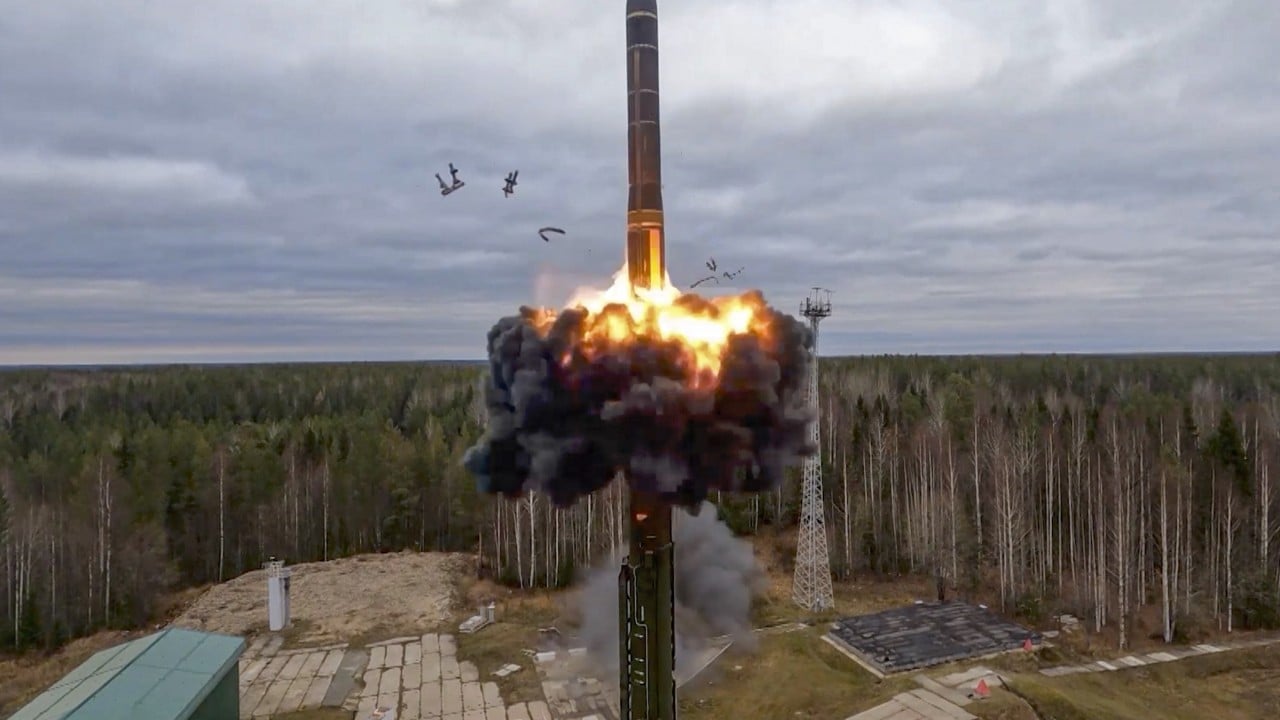
The centerpiece is counterstrike capability, which Japanese planners used to treat as a political third rail. Instead of relying solely on interceptor missiles to shoot down incoming warheads—an expensive losing game when an enemy fires hundreds at once—Japan is acquiring long-range standoff weapons capable of hitting launch sites and naval vessels from afar.
Here is how the hardware breaks down in practice:
- Tomahawk cruise missiles: Tokyo signed deals with Washington to acquire hundreds of Block IV and Block V Tomahawks, giving Japanese destroyers the ability to strike targets over 1,600 kilometers away.
- Upgraded Type 12 surface-to-ship missiles: Domestic engineers are extending the range of Japan's existing truck-mounted anti-ship missiles from roughly 200 kilometers to over 1,000 kilometers, allowing troops hidden on islands like Miyako or Ishigaki to threaten ships deep in the East China Sea.
- Hypersonic glide vehicles: Japan's Acquisition, Technology & Logistics Agency is rushing development on high-speed gliding projectiles designed to punch through modern naval air defenses to protect remote islands.
- Unmanned aerial and underwater systems: Smaller, cheaper autonomous drones are being networked across the archipelago to spot targets and feed real-time coordinates to long-range shooters.
None of this hardware exists in a vacuum. Buying missiles is the easy part. Connecting them to American satellites, radars, and command centers so a Japanese battery can fire on a target spotted by a US Navy aircraft is where the real heavy lifting happens.
Fixing the Broken Command Structure
For years, anyone who worked near the US-Japan alliance knew about its biggest structural flaw. The two militaries trained together constantly, yet they lacked a unified joint command in Japan.
Think about how crazy that was. Japanese forces answered to their Joint Staff in Tokyo. Meanwhile, American forces stationed in Japan reported back to US Indo-Pacific Command in Hawaii—thousands of miles away across multiple time zones. In a fast-moving missile crisis, waiting for approvals to bounce between Tokyo, Yokota, and Honolulu would cost precious hours.
Both governments finally admitted the old setup couldn't survive a modern conflict. Japan stood up its new Japan Joint Operations Command (JJOC) to unify its ground, maritime, and air branches under one operational roof. Right alongside it, Washington began upgrading US Forces Japan into a genuine warfighting headquarters capable of plugging directly into the JJOC.
This matters far more than any single weapons purchase. Denial warfare depends on speed. Sensors detect a threat, command centers assign a shooter, and missiles launch within minutes. Without tightly integrated US-Japan command nodes sharing encrypted data seamlessly—without bureaucratic friction—those expensive new standoff weapons would sit idle while satellites lose track of moving ships.
The Hard Truths Nobody Wants to Admit
It's easy to read official defense white papers and assume this revamp will run smoothly. It won't. Having watched defense procurement programs stall across multiple administrations, I can tell you the biggest threats to Japan's denial strategy aren't all sitting across the East China Sea. Many are sitting right inside Tokyo.
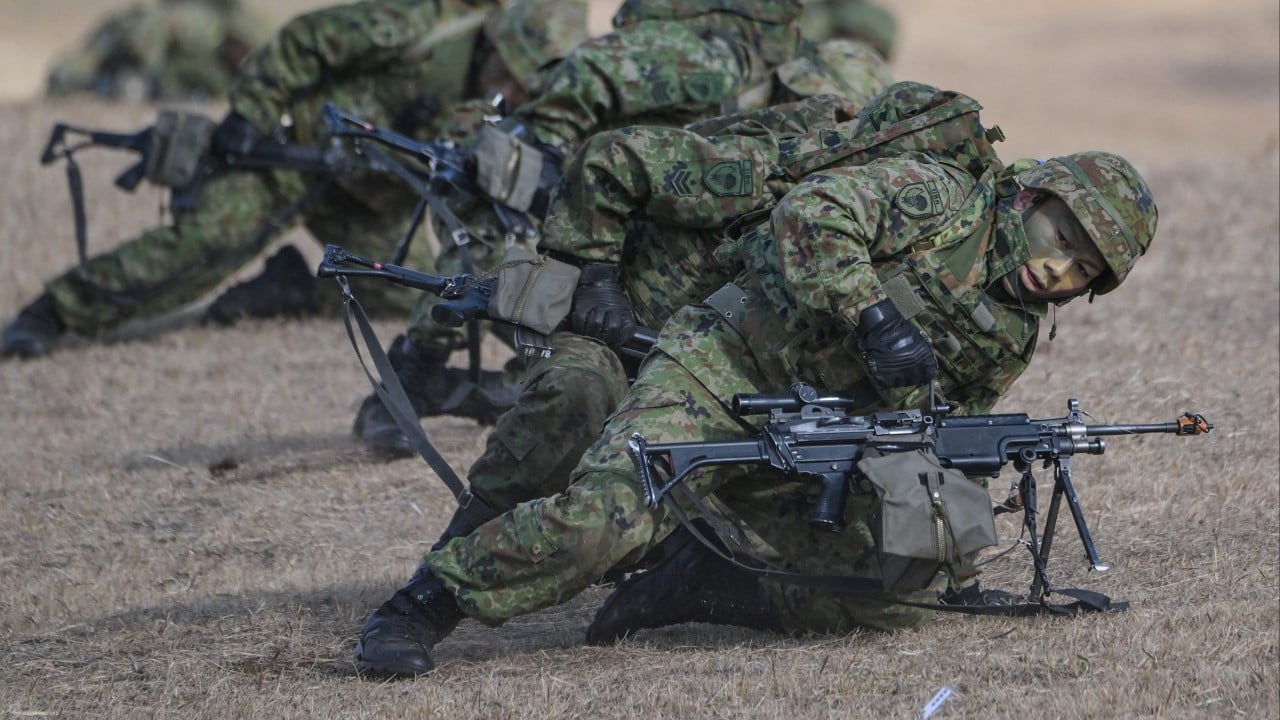
First, look at the demographic wall. Japan's population is shrinking fast, and the Self-Defense Forces consistently miss their annual recruitment targets. You can buy all the destroyers and missile launchers you want, but somebody has to crew the ships, maintain the trucks, and pull guard duty on remote islands. Automation helps, yet it doesn't solve a chronic manpower shortage.
Second, ammunition stockpiles and logistics remain glaring weak points. Recent wargames run by institutions like the Center for Strategic and International Studies (CSIS) repeatedly show that in a high-intensity conflict over Taiwan or the Senkaku Islands, both US and Japanese forces burn through precision-guided munitions in days, not months. Building hardened bunkers, dispersing fuel depots, and stockpiling spare parts across vulnerable southern islands costs massive amounts of money and triggers fierce local pushback from residents who don't want targets painted near their towns.
Third, there is the yen problem. A weak Japanese currency drastically inflates the real cost of buying American weapons systems like Tomahawks, F-35 stealth fighters, and Aegis components. Every time the yen slides against the dollar, Tokyo's historic defense budget buys less actual combat power.
What Critics Get Wrong About Escalation
Whenever Tokyo announces a new missile deployment or joint exercise with Washington, critics inevitably warn that Japan is abandoning its pacifist constitution and provoking an arms race.
That argument gets cause and effect backward. The arms race in East Asia started years ago without Japan's permission. Beijing built the world's largest navy by hull count, militarized artificial islands in the South China Sea, and routinely sends coast guard vessels into Japanese territorial waters around the Senkakus.
Doing nothing isn't a peaceful policy—it's an invitation. Weakness creates power vacuums, and aggressive neighbors fill them. By fortifying denial capabilities with the United States, Tokyo isn't gearing up to invade anyone. Japan still lacks aircraft carriers built for distant power projection, strategic bombers, or amphibious forces sized for foreign conquests. Everything in this revamp is tailored to defend Japanese territory and keep international sea lanes open.
How to Track What Happens Next
If you're watching Indo-Pacific security, investing in defense sectors, or analyzing geopolitical risk, stop getting distracted by flashy press conferences and diplomatic photo ops. Watch three concrete indicators over the coming year to see if this denial strategy actually holds together.
Track joint bilateral exercises like Keen Sword and Orient Shield. Look specifically for whether US Marines and Japan Ground Self-Defense Force missile units practice rapid "shoot-and-scoot" deployments on actual Southwest Islands rather than safe training grounds on the mainland.
Watch defense industrial co-production. Washington and Tokyo agreed to jointly manufacture Patriot air-defense interceptors and AMRAAM air-to-air missiles in Japan to ease strained American supply chains. If Japanese factories start cranking out munitions at scale, the alliance gains real staying power.
Finally, keep an eye on infrastructure hardening budgets. Concrete shelters, underground fuel storage, and secondary airstrips aren't sexy, so politicians hate funding them. Yet without hardened bases across Okinawa and Kyushu, every shiny new missile system Japan buys risks getting wiped out on the ground during the opening salvo of a conflict.
Japan's defense revamp is the most serious shift in Asian security since the Cold War ended. Whether it succeeds comes down to execution, logistics, and political nerve when budgets get tight.