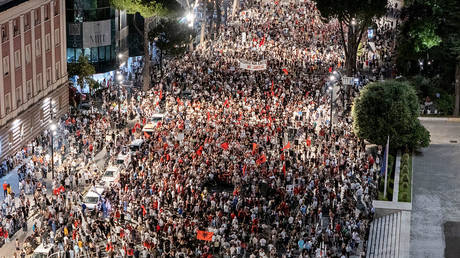
Thousands of people are flooding the streets of Tirana carrying pink inflatable flamingos. They aren't celebrating. They're furious. The chants of "Albania is not for sale" echo outside the prime minister's office, marking a major flashpoint in a battle over land, power, and the Trump family.
If you've only caught the headlines, you probably think this is a simple environmental protest. It isn't. The sudden uprising against a proposed $1.6 billion luxury resort backed by Jared Kushner, Donald Trump's son-in-law, runs much deeper than saving birds. This is a story about backroom political deals, sudden law changes, and a nation wrestling with its identity. In other updates, we also covered: Hydrological Gridlock The Structural Anatomy Of The Teesta Water Dispute.
The anger boiling over right now across the Balkan nation isn't just about a high-end holiday spot. It's about how the project came to be. It's about a feeling among locals that their pristine coastline is being handed over to foreign billionaires without their consent.
The Barefoot Hike That Ignited a National Crisis
The origin story of this massive development sounds like something out of a lifestyle magazine. Ivanka Trump recently shared that she and Kushner discovered the site by accident. They were on a friend's boat, stopped for a swim, and made it to Sazan Island. She described a barefoot hike to the top, where they were completely captivated by the untouched beauty. Reuters has analyzed this important subject in great detail.
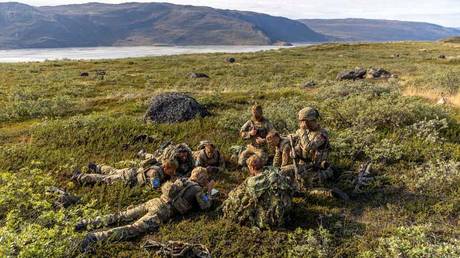
That casual swim turned into a massive business venture. Kushner's investment firm, Affinity Partners, secured special investor status from the Albanian government. The plan includes luxury hotels, villas, apartments, and a massive marina spanning two primary areas: Sazan Island, an old communist-era military base, and the Zvërnec-Narta Lagoon area.
Locals didn't find the story romantic. To many Albanians, the idea of American billionaires hiking barefoot across land that normal citizens have struggled to access for decades felt like a slap in the face. Heavy machinery moved into the pine forests and beaches near Zvërnec. Barbed wire fences went up. Bulldozers began clearing sand dunes. That's when the local outrage turned into a nationwide movement.
Why the Narta Lagoon Matters Beyond the Environment
The environmental stakes are genuinely massive. The Vjosa-Narta wetland complex is one of the most important biodiversity spots in the Adriatic Sea. It is a vital resting point for thousands of migratory birds, especially pink flamingos and the endangered Dalmatian pelican. Ornithologists state that over one percent of the entire global flamingo population relies on this specific area.
But look past the ecological data. The real issue is the legal maneuvering behind the construction. In early 2024, the Albanian government quietly amended its laws regarding protected areas. The new rules suddenly allowed high-end tourism developments inside zones that were previously strictly off-limits.
Activists claim the law was custom-tailored for Kushner's firm. It sets a dangerous precedent. If a government can rewrite environmental protections overnight to accommodate a wealthy foreign investor, then no piece of land in the country is truly safe. This specific realization transformed a localized environmental grievance into a broader fight against state capture.
The Flashing Red Light of Corruption Investigations
Prime Minister Edi Rama is not backing down. He firmly believes this multi-billion dollar investment is exactly what Albania needs to transition from a former isolationist state into a premier global tourism destination. He publicly stated that there is zero chance the project stops while he remains in office. He frames the opposition as people who fear progress.
The independent judiciary thinks there's at least something worth looking into. Albania's special anti-corruption prosecution body, SPAK, opened an official investigation into the venture. Prosecutors are examining the methods used to acquire land titles and how those titles were transferred to investors.
Property ownership in Albania is notoriously messy. Decades after the fall of communism, overlapping land claims and contested privatizations remain a nightmare for local courts. In nearby Rrjoll, villagers are holding parallel protests, claiming the government confiscated their ancestral lands under the guise of strategic development. The fear that public or disputed land is being signed away to wealthy outsiders is a powerful unifying force for the crowds.
The Flamingo Revolution Takes the Streets
The demonstrations started small in late May when heavy machinery arrived in Zvërnec. The situation turned volatile when private security guards clashed with local activists. Video footage of an activist being dragged across the ground quickly went viral.
The response was instant. The next day, tens of thousands of people marched in Tirana. The movement quickly earned the nickname the Flamingo Revolution. Protesters carry cardboard cutouts and giant blow-up flamingos as symbols of both the fragile ecosystem and their own defiance.
The demographics of these rallies tell an interesting story. This isn't just a group of career activists. Generation Z, student groups, diaspora members flying in from abroad, and older citizens who remember the country's communist past are marching side by side. They see a direct link between the lack of transparency in this deal and the wider democratic backsliding in their country. They're demanding the resignation of the prime minister and an immediate freeze on all construction in protected areas.
Learning From the Failed Project in Belgrade
Albania isn't the first Balkan nation to deal with these specific investment plans. Kushner's firm attempted a similar high-stakes project in Belgrade, Serbia. The plan was to build a luxury complex on the site of a bombed-out military headquarters, which held significant historical status.
The Serbian parliament went as far as passing a special law to pave the way for the deal. Then everything fell apart. Serbian prosecutors charged four individuals, including a government minister, with abuse of office and falsifying documents related to the project. Kushner ultimately withdrew from the Belgrade venture after the legal scandal erupted.
That Serbian collapse serves as a roadmap for the Albanian protesters. They know that international investment firms are highly sensitive to legal risks and prolonged bad publicity. By pushing SPAK to investigate and keeping the pressure high in the streets, opponents hope to make the political and reputational cost too high for Affinity Partners to continue.
What to Do If You Are Planning a Trip to Albania
If you are a traveler looking to visit the Albanian Riviera, the current unrest might seem alarming. The country remains highly safe for tourists, but you should navigate the situation thoughtfully.
Avoid active demonstration zones in central Tirana, particularly around Skanderbeg Square and the Prime Minister’s Office during scheduled rallies. These gatherings are loud but generally organized, though sudden police presence can slow down traffic and public transit.
Support eco-conscious local tourism operators instead of major international chains. Staying in family-run guesthouses in Vlora or the surrounding villages keeps your money directly in the hands of the local community.
Stay informed through independent local news outlets rather than relying solely on government press releases or international celebrity gossip columns. The reality on the ground changes daily, and the local perspective gives you a far clearer picture of where it is safe and sustainable to travel.