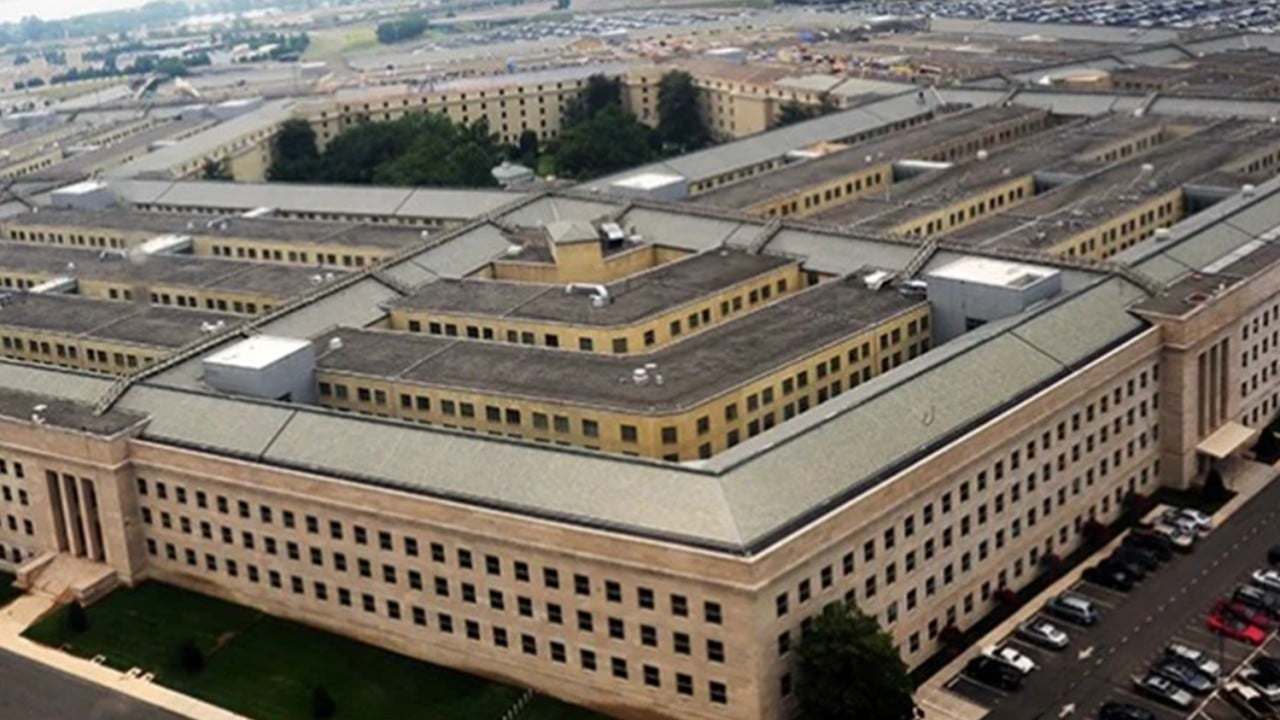
When the Pentagon dispatches Michael Chase, the deputy assistant secretary of defense for China, Taiwan, and Mongolia, to Beijing's annual Xiangshan Forum, international media loves to frame it as a massive diplomatic breakthrough. Let's be real for a second. It isn't a miraculous peace treaty. It is basic, back-to-basics risk management.
For years, military-to-military communications between Washington and Beijing sat on life support. Ever since lines went cold following high-level political visits to Taiwan, both superpowers realized they were flying dangerously blind. A single miscalculation in the Taiwan Strait or the South China Sea could easily spiral out of control. Sending a senior Pentagon official to China's premier security conference isn't about scoring diplomatic points. It's about making sure someone answers the phone when things get tense. If you enjoyed this article, you might want to read: this related article.
The Real Significance of the Beijing Xiangshan Forum
You shouldn't view the Xiangshan Forum as just another talk shop where officials read stale talking points off pieces of paper. Over ninety countries and international organizations send delegations to Beijing for these discussions. For Washington, showing up with a Senate-confirmed or senior civilian defense official like Chase signals a return to historical norms rather than a brand-new diplomatic era.
Back in 2019, Chad Sbragia attended in a comparable role. When the forum resumed after its pandemic-era hiatus, the U.S. sent a lower-ranking official, Xanthi Carras. Bumping the rank back up to a deputy assistant secretary level simply restores the baseline. It means the United States wants an open pipeline for working-level talks without granting major concessions on flashpoint issues. For another look on this development, check out the latest update from The Washington Post.
Core Issues Nobody is Budging On
If you think a single conference will solve the deep structural friction between the two militaries, you're missing the forest for the trees. Neither side is willing to compromise on their bottom lines.
- Taiwan: Beijing views the self-governing island as its most sensitive core interest, while Washington maintains commitments under the Taiwan Relations Act.
- The South China Sea: Maritime territorial claims clash directly with freedom of navigation operations championed by the U.S. Navy and its regional partners.
- Arms Sales and Sanctions: Ongoing weapons packages to Taipei routinely prompt Beijing to slam the brakes on bilateral nuclear and strategic stability dialogues.
National Security Adviser Jake Sullivan visited Beijing to push for better crisis communications, yet no sweeping agreements emerged. Nuclear talks faced sudden suspensions, and theater-level commanders still have to rely on scheduled phone calls to de-escalate maritime friction points.
What to Watch Next in U.S.-China Defense Ties
Look past the public handshakes and photo ops at the venue. True progress won't be measured by who attends a panel discussion in Beijing. Pay attention to whether operational commands can maintain unhindered dialogue channels when a naval near-miss happens in international waters. Until routine operational channels survive political storms, high-level attendance at security forums remains a necessary precaution rather than a cure-all.
Senior Pentagon official Michael Chase leads US delegation to China security forum
This video provides additional context on the U.S. decision to send a senior defense official to the Beijing security forum and examine the state of military ties between the two superpowers.