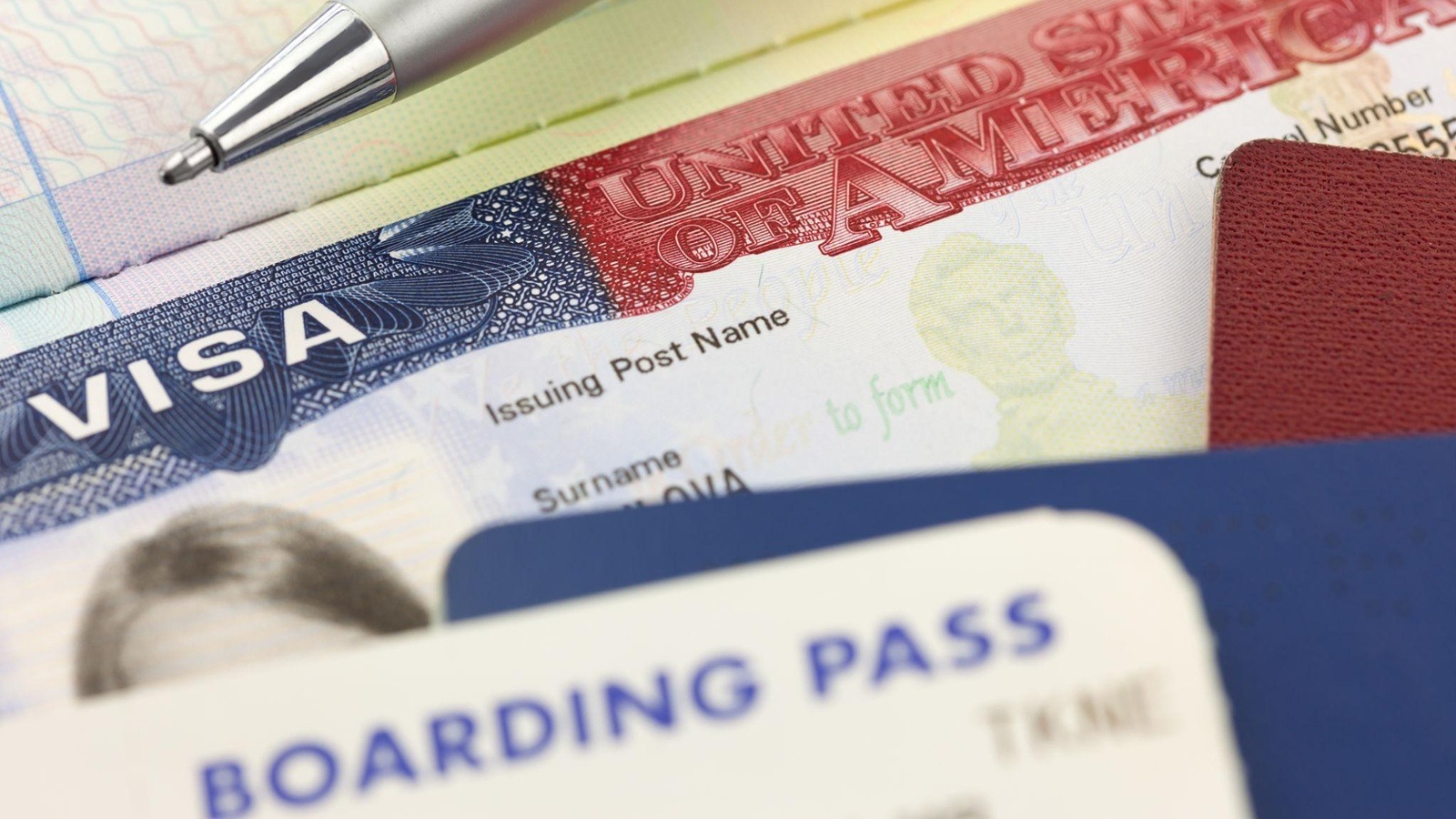
The mainstream media is practically salivating over the US State Department’s new pilot program. Starting July 1, 2026, B-1 and B-2 visitor visa applicants can fork over an additional $750 to secure an interview appointment within 10 business days. Outlets targeting Indian travelers—who routinely face agonizing, year-long backlogs—are pitching this as a monumental victory. They call it a lifeline for business travelers, a savior for families wanting to catch the 2026 FIFA World Cup, and a masterstroke of administrative efficiency.
They are completely wrong.
This is not a policy triumph; it is an expensive psychological trap. If you think writing a bigger check is a magic ticket to bypassing the absolute dysfunction of the consular bureaucracy, you are setting yourself up for a costly lesson in geopolitical reality. The lazy consensus says this is a premium fast lane. The reality is that the US government just figured out how to monetize its own systemic incompetence without guaranteeing you a single thing in return.
The Illusion of Speed
Let us dismantle the core premise immediately. The $750 premium add-on buys you exactly one asset: a calendar date. It does not buy you a visa. It does not buy you an accelerated background check. It does not even buy you a sympathetic ear.
The standard application fee is $185. Tacking on the premium fee brings your upfront gamble to $935. For a family of three trying to visit relatives or attend a conference, that is nearly $3,000 before anyone has even packed a suitcase.
What happens after you pay? You sit across from a consular officer who is operating under the exact same stringent, high-scrutiny guidelines enforced by the current administration. I have seen frantic corporate executives drop thousands on expedited logistics only to hit a brick wall because they assumed money buys leniency. It does not.
If your application triggers any security flags or requires administrative processing, your $750 fast track ends instantly. The State Department has explicitly stated that administrative processing timeframes remain entirely unchanged. Your 10-day interview window can easily dissolve into six months of radio silence while a desk analyst in Washington vets your data.
Monetizing Incompetence Under a New Banner
Why is this happening now? The government claims it is a strategic move to ease pressure ahead of massive international events like the World Cup and the 2028 Los Angeles Olympics.
Look closer at the mechanics. This pilot program runs from July 1 to December 31, 2026. It is a classic corporate tactic imported into public policy: dynamic surge pricing masked as a premium service. Instead of fixing the root cause of the backlogs—antiquated IT architecture, chronic understaffing, and bloated vetting procedures—the system is charging you a premium to cut the line that they created.
Furthermore, this fee is completely non-refundable. If your flight gets delayed, if you hit traffic on the way to the consulate, or if you simply need to reschedule because of an emergency, that money is gone forever. It is a high-stakes poker game where the house takes a massive rake and holds all the cards.
The Hidden Casualty: The Death of Genuine Merit
Before this pilot program, getting an expedited interview required meeting strict, logical parameters. You had to demonstrate a legitimate humanitarian emergency, an urgent medical crisis, or a compelling national interest. Consular managers reviewed these requests based on human necessity, not the size of the applicant's bank account.
Now, the system introduces a pay-to-play tier that caps the total number of expedited slots available per post to avoid completely breaking the standard queue. Think about what that actually means. By capping the availability of fast slots and allocating them to whoever has a corporate credit card or deep pockets, the pool of operational resources shrinks.
Imagine a scenario where a mid-level executive who wants to attend a routine networking mixer grabs the last available expedited slot of the week simply because their company can absorb $750 without blinking. Meanwhile, an independent researcher or a family member with a time-sensitive, non-humanitarian—but highly critical—personal matter is left stranded in the year-long standard queue.
The system has shifted the metric of urgency from "who needs to travel most" to "who can afford to pay the most."
The Right Strategy for Navigating the Bureaucracy
Stop looking at the $750 fee as a default solution. If you want to actually navigate the US visa gauntlet successfully, you need to abandon the lazy assumption that cash solves administrative friction.
First, optimize the existing, free emergency expedite channels if your situation genuinely warrants it. If you have a clear, documented business emergency—such as an urgent, unforeseen contract signing that directly impacts employment or substantial financial investments—build a bulletproof case file. Do not just throw money at the problem because it seems easier than compiling documentation.
Second, audit your timeline with brutal honesty. If you pay the premium fee and get slapped with a Form 221(g) refusal for administrative processing, you have gained nothing and lost close to a thousand dollars. If your documentation is complex, if your tech sector employment requires specialized technology reviews, or if you have a common name that triggers false positives in security databases, the 10-day interview window is a mirage. The processing tail will still catch you.
The US State Department has successfully reframed its processing backlogs as a premium revenue stream. They have shifted the financial burden of a broken system directly onto the shoulders of vulnerable travelers who are desperate for predictability.
Paying this fee does not make you a savvy global traveler. It makes you a willing participant in a system that charges you extra to fix a problem it created, while retaining the absolute right to deny you entry anyway. Save your money, plan around the structural delays, and stop falling for the premium processing illusion.