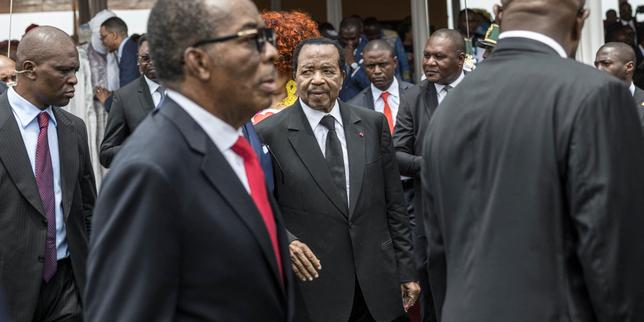
Forty-five days. That is how long President Paul Biya has been out of Cameroon. As the world's oldest sitting head of state, his routine departures for private stays in Europe are hardly new. Yet, this prolonged absence has pushed political tensions to a breaking point.
Opposition figures scream about a dangerous leadership vacuum. Meanwhile, loyalists insist that state machinery operates smoothly from afar. Behind the sharp rhetoric lies a tired nation questioning who is actually steering the ship.
The Anatomy of an Institutional Vacuum
When a leader spends weeks abroad, citizens notice the friction. Government offices slow down. Major policy decisions stall. Critics argue that running a country via electronic communication from a hotel suite in Geneva fails to meet the demands of modern governance.
The opposition Cameroon Renaissance Movement (MRC) labels the situation a glaring institutional void. Other political outfits, such as the Cameroon Democratic Union (UDC), demand formal medical assessments to test presidential capacity. They argue that months without a physical presence in Yaoundé compromises national security and public administration.
Official pushback has been fierce. Senior regime figures like Jacques Fame Ndongo reject the narrative of decline. They argue that no domestic law sets a strict maximum limit on presidential travel. According to ruling party defenders, executive functions continue uninterrupted because modern technology bridges any physical gap.
Succession Pressures and Closed Doors
The root of the panic isn't just about geography. It is about succession. Paul Biya has held power for over four decades. He has never formally anointed an heir apparent.
When the ruling Cameroon People's Democratic Movement (CPDM) abruptly calls high-level emergency meetings without publishing an agenda, political markets react. Speculation spikes. Everyone wants to know if insiders are quietly preparing for a transition or merely circling the wagons to protect the status quo.
Even though lawmakers previously established a framework for a vice presidency, that critical office remains empty. Leaving that safety valve blank creates an atmosphere of anxious suspense. Citizens are left guessing whether institutional stability depends on a single nonagenarian's health or a resilient state apparatus.
Navigating Uncertainty Moving Forward
For everyday Cameroonians, political theory matters less than economic survival. Inflation bites, infrastructure projects lag, and youth unemployment remains high. While political elites trade insults over constitutional technicalities, ordinary people carry the weight of administrative paralysis.
Demanding transparency shouldn't feel like a radical act. Whether Biya returns tomorrow or stays away for months more, the structural vulnerability of Cameroon's governance model remains exposed. True stability requires clear succession laws, transparent institutions, and leaders who answer directly to the public.
Stop waiting for a quiet fix. Watch the institutional moves in Yaoundé closely because the next chapter of Central African politics is writing itself right now.
Questions Mount Over President Paul Biya's Prolonged Absence
This video provides an on-the-ground look at the political fallout and public reaction in Yaoundé surrounding President Paul Biya's extended time abroad.
http://googleusercontent.com/youtube_content/1