The suitcase sits open on the bedroom floor, a half-packed monument to anticipation. Inside, there is a swimsuit, a pair of sunglasses, and a crumpled itinerary for a ten-day escape to the sun-drenched coast of Malaga. You can already feel the Mediterranean breeze. You can taste the saltwater.
But public health officials are looking at a completely different map of Spain this week, and their anxiety has nothing to do with lost luggage or flight delays.
Instead, they are tracking an invisible hitchhiker.
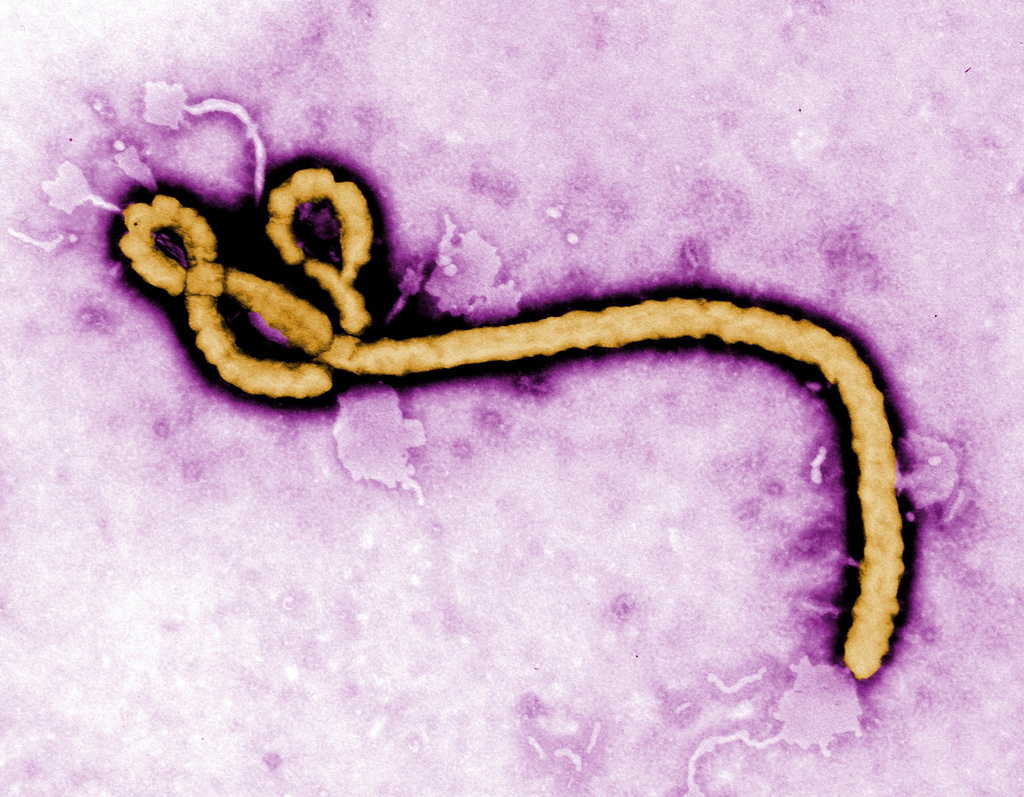
A sudden spike in measles cases across popular Spanish tourist hubs has triggered urgent warnings for holidaymakers. What was once considered a childhood disease of the past is currently staging a quiet, aggressive comeback in the very places where Europeans go to forget their worries. It takes only one breath in a crowded airport terminal. One shared conversation in a bustling hotel lobby.
The reality of modern travel is that we never cross borders alone. We bring our expectations, our habits, and, occasionally, our vulnerabilities.
The Arithmetic of Transmission
To understand how a postcard-perfect holiday transforms into a medical quarantine, look at a hypothetical traveler. Let us call her Sarah. Sarah is thirty-four, meticulously organized, and currently standing in a security queue at Gatwick. She has checked the weather, downloaded her boarding pass, and booked a rental car.
Sarah believes she is fully protected against the world's minor inconveniences. But she belongs to a specific demographic born between the late 1970s and the late 1990s—a generation caught in the shifting tides of vaccination schedules, where second doses were sometimes missed or undocumented.
Now, consider the mathematics of the virus waiting on the other side of her flight.
Epidemiologists use a term called the basic reproduction number. It measures velocity. For the seasonal flu, that number usually hovers around one or two. For a highly contagious variant of a respiratory virus, it might reach five or six.
For measles, the number routinely climbs to eighteen.
$$\text{Reproduction Number } (R_0) \approx 12 - 18$$
That is not just a statistic; it is a biological wildfire. If an infected person walks into a room of ten unimmunized people, nine of them will contract the virus. It does not require physical contact. The virus is light enough to suspend itself in the air, drifting through ventilation systems, lingering in empty rooms for up to two hours after the source has departed. Sarah could walk into a café to order an espresso, sit at a table vacated twenty minutes earlier by an ailing tourist, and breathe in her diagnosis.
The Mirage of Eradication
The current outbreak in Spain exposes a collective cultural blind spot. We forgot what the virus looks like.
Because safe, highly effective vaccines rendered this pathogen nearly invisible in Europe for decades, society developed a form of medical amnesia. We began to view it as a trivial illness, a rite of passage involving pink spots and a few days off school.
History tells a darker story. Before the introduction of widespread immunization programs, the virus claimed millions of lives annually across the globe. It is not a simple rash. It is a systemic assault on the human body that temporarily erases the immune system’s memory, leaving the patient vulnerable to secondary infections for months or even years afterward.
The current resurgence is driven by a drop in herd immunity. To keep this specific pathogen at bay, a community needs a continuous immunization rate of 95%. When coverage slips even slightly below that threshold—to 92% or 90%—the protective barrier breaks.
The virus finds the gaps. It moves through holiday resorts, transport hubs, and crowded restaurants with terrifying efficiency.
The Checklist Beyond the Passport
Medical professionals in Spain are currently working to contain clusters that threaten to spill over into the peak summer travel season. Their message to international visitors is clear, practical, and time-sensitive.
Protection requires checking immunization status before packing.
- The Two-Dose Standard: Full immunity requires two distinct doses of the MMR vaccine. A single dose leaves a significant percentage of individuals partially unprotected.
- The Age Gap: Adults born during the eighties and nineties should actively verify their records. Many assume they are immune simply because they received childhood jabs, unaware they missed the crucial booster introduced later.
- The Window of Opportunity: The vaccine requires time to stimulate the necessary antibody response. Booking an appointment the morning of a flight offers little protection for the journey.
The medical community is not advising people to cancel their flights or abandon their holiday plans. Spain remains a spectacular destination, and the local healthcare systems are highly sophisticated. Rather, the warning serves as a reminder that health security is an active responsibility, not a passive guarantee.
The True Cost of a Breath
The true weight of an outbreak is felt long after the tan lines fade.
Imagine Sarah returning home. She feels fatigued, a sensation she attributes to travel exhaustion and a late flight. Then comes the cough, the watery eyes, and the rising fever. By the time the characteristic rash appears on her hairline, she has already spent three days back at her office, visited her local supermarket, and hugged her sister's infant child, who is still too young to receive the vaccine.
The invisible stakes of travel are found in those connections. We do not live in isolation, and we certainly do not travel in it. Every boarding gate is a bridge between communities.
The open suitcase on the floor represents freedom, discovery, and rest. Ensuring that it contains protection against an ancient, opportunistic pathogen is the simplest way to keep those holiday memories exactly as they should be.
The Mediterranean is waiting, but the air we share on the way there requires our attention now.