Pundits love a good horse race, even when the horses haven’t even lined up at the starting gate.
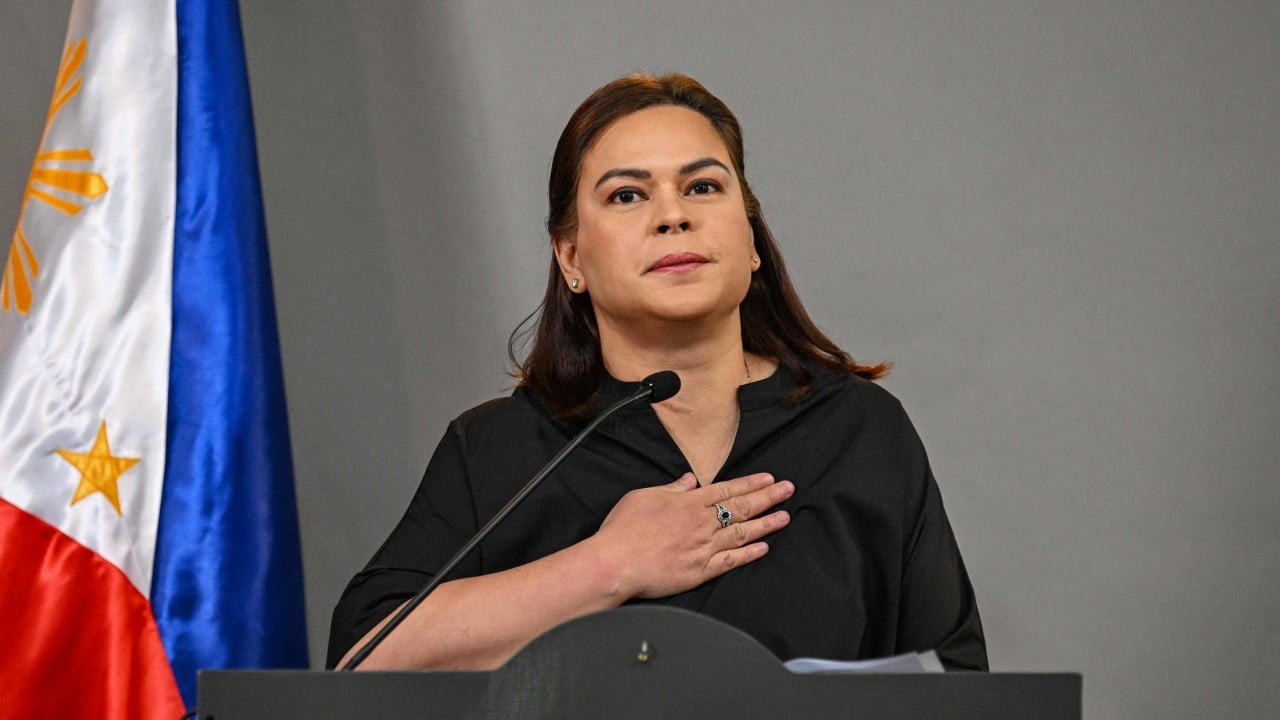
The conventional wisdom in Manila right now is practically hyperventilating over the latest polling data. Mainstream analysts point to the March and May 2026 data from Pulse Asia and OCTA Research, noting that Vice President Sara Duterte is losing ground in Metro Manila and "Balance Luzon." They point out that Senator Raffy Tulfo is neck-and-neck with her in hypothetical matchups, and that a united opposition pairing her against a Leni Robredo ticket could spell doom for the Duterte dynasty.
This analysis is lazy, short-sighted, and fundamentally misunderstands how power is won and consolidated in Philippine politics.
I have watched political analysts make this exact mistake cycle after cycle. They treat early, non-commissioned surveys like a predictive science instead of what they actually are: a snapshot of temporary voter fatigue. To declare that Sara Duterte’s 2028 lead is in jeopardy because of a statistical tie in a mobile-based Tangere poll or a minor drop in Luzon ignores the structural reality of the country's political mechanics.
The Myth of the Early Survey Ceiling
The core argument put forward by mainstream pollsters is that Duterte is "maxing out" her brand. Because she commands up to 95% approval in Mindanao and heavy margins in the Visayas, analysts claim she has hit a ceiling and has nowhere to grow, leaving her exposed in the voter-heavy regions of Luzon.
This is a complete misreading of voter psychology.
In Philippine elections, a solid, immovable regional base is not a ceiling; it is a fortress. Having an ironclad grip on Mindanao means Duterte starts the 2028 race with a massive, guaranteed block of votes. Her rivals, by contrast, are fighting over highly fragmented, fickle voter bases in Luzon.
Look at the mechanics of a multi-candidate presidential race. Philippine elections do not require a majority to win; they require a plurality. If the opposition fails to unite—which history shows it almost always does—the vote in Luzon splits three or four ways. In that scenario, a candidate with a hyper-loyal, consolidated regional base wins every single time, even if their national approval rating looks "stagnant" two years prior.
Why the Luzon Slump is an Illusion
The panic over Duterte's dip in Balance Luzon and Metro Manila assumes that current sentiments will hold until 2028. This assumes a stable status quo, which is a fantasy in this political climate.
Luzon voters are historically the most sensitive to immediate economic pressures, particularly inflation, food security, and transport costs. Right now, the Marcos administration is absorbing the brunt of the public’s frustration over rising fuel costs and economic friction. While the President's ratings showed a year-on-year recovery in early 2026, his overall national disapproval remains high at 45%.
Duterte’s current slide in Luzon isn’t a rejection of her brand; it is the natural consequence of her being stuck in the messy middle of a public divorce from the Marcos administration. She has spent months navigating impeachment threats and public feuds. Now that she has officially declared her 2028 presidential bid and openly broken with Marcos, her political identity is shifting from a compromised incumbent to an anti-establishment outsider.
Once she fully embraces the opposition mantle, the narrative changes. The voters in Luzon who are angry with the current administration’s economic performance will not automatically flock to a traditional liberal opposition or a media personality. They will look for the strongest stick to beat the current establishment with. Historically, that stick has been a Duterte.
The Flawed Premise of the "United Opposition"
Let’s look at the thought experiment dominating current commentary: the idea of a formidable Raffy Tulfo and Leni Robredo coalition toppling the Duterte machine.
Imagine a scenario where these disparate political forces actually manage to sit in a room and agree on a single ticket. The logistical and ideological friction would be immense. Tulfo’s appeal is rooted in populist, action-oriented, anti-bureaucratic sentiment. Robredo’s base is built on institutional liberalism and technocratic governance.
Trying to fuse these two camps into a single coalition creates a structural paradox. If they run together, they risk alienating the very voters that make them potent individually.
- The Populist Dilemma: Tulfo’s working-class supporters are largely indifferent to, or openly hostile toward, old-school liberal politics.
- The Institutionalist Dilemma: The core liberal intelligentsia will struggle to rally behind a populist media figure whose brand is built on bypassing institutional processes.
Furthermore, assuming Tulfo’s current survey strength will easily convert into a presidential victory ignores the brutal reality of national campaigns. A high rating in a media-preference poll is cheap. Building a nationwide grassroots machinery, securing backing from provincial governors, and financing a multi-billion-peso campaign is an entirely different beast. The Duterte machinery is already built, tested, and funded. Her competitors are still trying to figure out who gets top billing on the poster.
The Impeachment Backfire
The loudest argument for why Duterte is in danger points to the weaponization of the legal system against her. With multiple impeachment complaints moving through the gears behind the scenes, conventional wisdom says she will be bled dry by scandals before she can even file her candidacy.
This is an incredibly naive view of how the Philippine electorate responds to state-sponsored political persecution.
When the state apparatus tries to dismantle a popular populist leader, it rarely destroys their viability. Instead, it martyrs them. Every hour the House of Representatives spends trying to litigate old budget allocations or campaign statements is an hour they are not spending on inflation or job creation.
Duterte has already shown she knows how to play this hand. By framing the attacks against her as a coordinated elite effort to subvert the will of the people, she reinforces her core appeal. The more the administration pushes the legal levers to sideline her, the more they validate her narrative that the system is rigged against her and her base.
The Real Battle Metaphor
The media wants you to view the 2028 race as a fragile house of cards waiting to collapse because of a 4-point shift in an OCTA Research poll. It isn’t a house of cards. It’s a game of political chess where one side holds all the heavy pieces while the other side is still arguing over who moves first.
The drop in Duterte’s early survey numbers isn’t the beginning of the end. It is the end of the beginning. It represents the shedding of the casual, non-committed voters who joined the "UniTeam" bandwagon in 2022. What remains is a hardened, highly motivated core that cannot be diluted by typical media cycles.
Stop looking at minor regional fluctuations as a sign of terminal vulnerability. In a fragmented political landscape, a candidate with an absolute monopoly on one-third of the country and a proven formula for capturing the anti-establishment vote isn't in danger. They are simply waiting for the crowd of challengers to thin out.