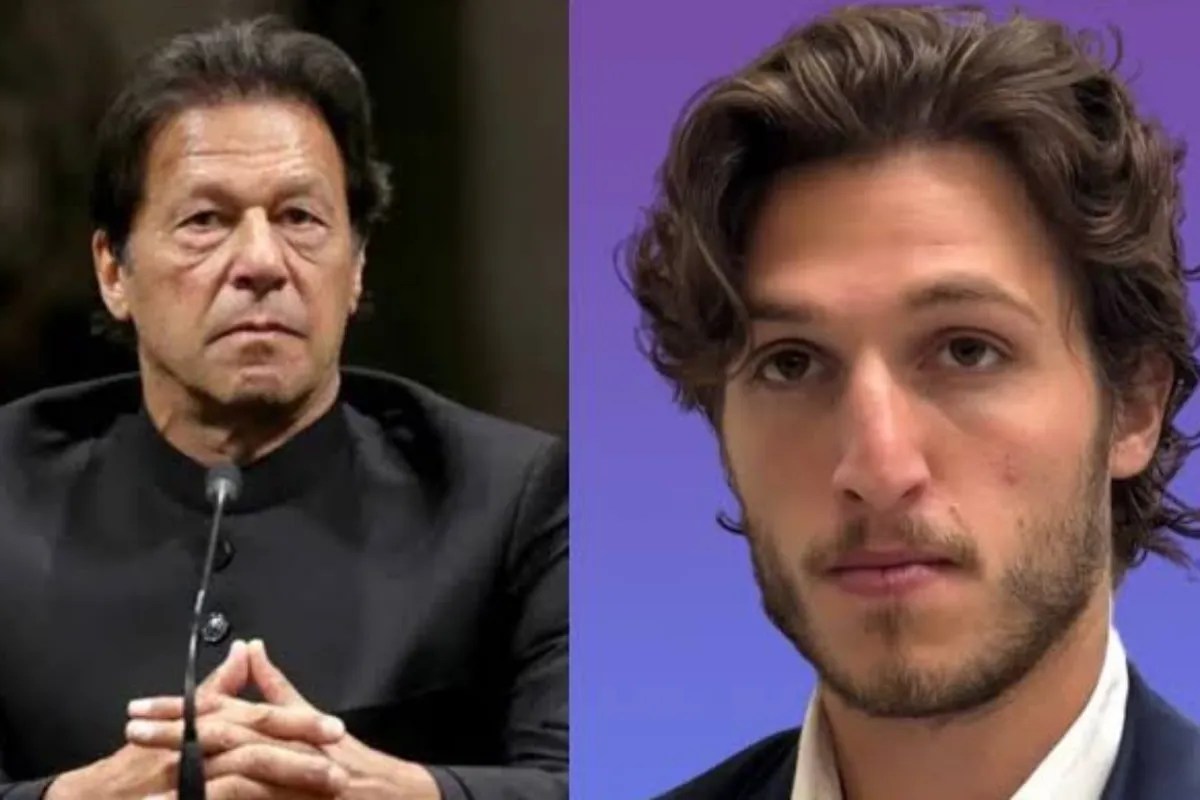
Political pressure in Pakistan escalated sharply when the federal government imposed a state of emergency and governor rule in Khyber Pakhtunkhwa. The move effectively sidelined the provincial administration led by Imran Khan’s Pakistan Tehreek-e-Insaf (PTI) party. Almost immediately, Kasim Khan, the son of the jailed former prime minister, stepped into the public sphere with a blunt declaration: Pakistan belongs to its people, not its military.
If you're trying to figure out why this specific provincial takeover matters beyond local headlines, you have to look at the mounting friction between civilian military authorities and the country's most persistent populist opposition.
The Anatomy of the Khyber Pakhtunkhwa Takeover
The declaration of emergency under Articles 232 and 234 of Pakistan's Constitution didn't happen in a vacuum. Islamabad justified the intervention by pointing to escalating security challenges and rising militant violence in the region. Federal ministers argued that the local provincial setup was failing to curb threats effectively, leaving the central government no choice but to step in.
PTI leaders rejected these rationales completely. They pointed out that shifting control away from an elected provincial government is an authoritarian shortcut disguised as counter-terrorism policy. Chief Minister Sohail Afridi and several high-ranking party figures faced detention, throwing the regional administrative apparatus into chaos.
When central authorities suspend a functioning provincial government, they aren't just adjusting security protocols. They're altering the federal balance of power. Khyber Pakhtunkhwa has long served as a political stronghold for PTI. Dislodging them through executive decree rather than democratic electoral defeat exposes deep structural anxiety within the ruling establishment.
Kasim Khan and the Family Pushback
While Imran Khan remains locked inside Adiala Jail, his family members based abroad have taken on vocal roles in calling out institutional overreach. Kasim Khan didn't mince words on social media, labeling the emergency decree a cowardly act designed to stifle public dissent. He emphasized that clamping down on regional governance to cling to power ultimately harms the country's future generations.
This international pushback from family members highlights how polarized Pakistan's political landscape has become. The strategy from Islamabad seems focused on cutting off political oxygen for PTI, yet every aggressive administrative clampdown appears to galvanize a fresh wave of public anger.
What Happens Next Legally and Politically
Constitutional frameworks in Pakistan dictate that an emergency proclamation must face parliamentary review. It requires approval from a joint sitting of the legislature to remain active past a strict initial window. Meanwhile, PTI legal teams have vowed to challenge the suspension directly in the courts.
The core question isn't just whether governor rule will survive legal scrutiny. It's whether administrative maneuvers can permanently suppress a mass political movement. Past patterns suggest that shutting down provincial governments rarely extinguishes populist sentiment. Instead, it pushes the conflict deeper into the streets and the courts, ensuring that the friction between Islamabad and its fierce opposition remains front and center.