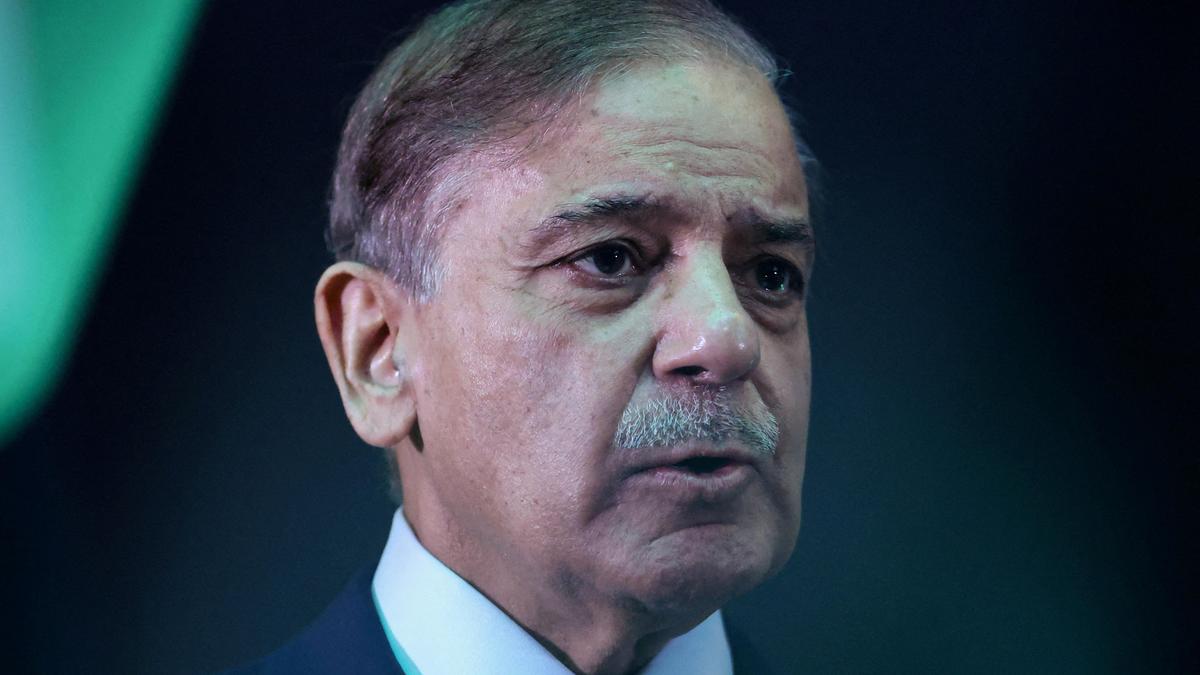
Pakistan is walking a tightrope. Again. While the headlines today talk about a temporary ceasefire between the U.S. and Iran, the reality on the ground in Islamabad is far more frantic. Prime Minister Shehbaz Sharif just pulled the trigger on a high-powered crisis team—the National Coordination and Management Council (NCMC)—because the country's fragile recovery is one oil price spike away from a total meltdown.
You've probably heard the term "West Asia conflict" tossed around, but for Pakistan, this isn't some distant geopolitical chess match. It's a direct threat to the wallet of every person in the country. If the Strait of Hormuz stays choked, the inflation you're seeing now will look like the "good old days." For a different view, read: this related article.
The War Council Behind the Scenes
This isn't just another committee to file reports. The NCMC is a civil-military hybrid co-chaired by Economic Affairs Minister Ahad Khan Cheema and Lt. General Zafar Iqbal. That structure tells you exactly how serious this is. They're merging economic policy with internal security because, in Pakistan, those two are inseparable.
When the price of petrol goes up, people take to the streets. The government knows this. The NCMC is tasked with monitoring real-time digital dashboards that track everything: foreign exchange reserves, the value of the rupee, and the cost of shipping containers. Similar coverage on this matter has been provided by BBC News.
One of their first moves? Allowing the export of surplus furnace oil. It sounds technical, but it’s basically a storage panic. Local refineries are so backed up that they’re running out of space to put the stuff. By clearing that out, the government is trying to keep the energy supply chain from seizing up entirely.
Why You Should Care About the Strait of Hormuz
If you want to understand why your electricity bill or your commute is getting more expensive, look at the map. Around 20% of the world's oil and liquefied natural gas (LNG) passes through the Strait of Hormuz. For Pakistan, that percentage is even more critical. We aren't just "exposed"; we're practically tethered to it.
Since the recent hostilities began, maritime traffic through the strait has plummeted by a staggering 95%. Think about that. We went from nearly 100 ships a day to maybe five.
- Fuel Prices: Brent crude hit $120 a barrel during the peak of market tensions. Even if it settles, the "risk premium" means we’re paying more just because of the uncertainty.
- Fertilizer Shortage: The Gulf states provide 30% of the world’s urea exports. No fertilizer means lower crop yields in Punjab and Sindh, which leads to higher food prices.
- Remittance Drops: Millions of Pakistanis work in the Gulf. When the region becomes a war zone, the money they send home—the literal backbone of our forex reserves—starts to dry up.
The Resilience Problem
The World Bank recently slashed the 2026 growth outlook for the region. Without Iran, growth is expected to crawl at 1.8%. That’s a massive drop from the 4% we were hoping for. Pakistan is in a particularly tight spot because we’re just coming off an IMF-supported stabilization program.
We’ve seen inflation drop to 4.1% late last year, which felt like a victory. But it’s a hollow victory if we can't protect it. The NCMC is now trying to figure out how to diversify trade. They're looking for alternate import sources so we aren't 100% dependent on a region that’s currently on fire.
What Happens if the Ceasefire Fails
The two-week ceasefire announced by Donald Trump is a breather, not a solution. The NCMC met and decided they aren't going anywhere. They believe the danger of war still looms. If things go south again, the government is prepping targeted subsidy plans for low-income families. Honestly, it’s a "break glass in case of emergency" scenario.
If the conflict resumes and targets energy infrastructure, the rupee will likely face fresh pressure. We're already seeing hints of fuel rationing for private car owners in some areas. It’s a messy, complicated situation that requires more than just hope.
Your Next Steps
Don't wait for the government to announce a formal fuel hike. If you're running a business or managing a household budget, now is the time to tighten up.
- Hedge Your Energy Costs: If you can transition even a portion of your energy needs to solar, do it yesterday. The volatility in the Gulf isn't going away soon.
- Monitor the Rupee: Keep a close eye on the PKR/USD parity. If the NCMC starts flagging concerns about foreign exchange reserves, expect the rupee to slide.
- Stay Informed: Ignore the "narrative management" and look at the hard data. Check the shipping volumes in the Gulf and the price of Oman/Dubai crude benchmarks, which often hit Asian importers harder than Brent.
The crisis team is in place, but they're playing defense. You should be too.



