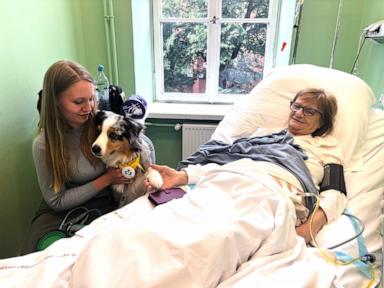
Integrating domestic animals into palliative and end-of-life care facilities presents a complex intersection of clinical utility, operational risk management, and environmental sanitation. While media narratives frequently frame animal presence in healthcare settings through an emotional lens, optimizing hospice care requires translating these anecdotes into scalable, quantifiable frameworks. Evaluating the deployment of companion animals in residential hospice wards requires analyzing the physiological feedback loops, the operational friction points, and the risk-mitigation strategies necessary to execute this intervention without compromising clinical standards.
The Clinical Efficacy Framework of Animal Presence
The therapeutic value of animal presence in palliative settings operates across distinct biological and psychological mechanisms. Rather than viewing pet integration as a vague comfort measure, clinicians evaluate its impact through measurable biomarkers and validated psychological scales.
Neurochemical and Physiological Feedback Loops
Interaction with familiar animals induces specific neurochemical shifts in patients facing terminal illnesses. Quantitative studies measuring salivary cortisol, blood pressure, and heart rate variability demonstrate that structured animal interactions alter autonomic nervous system activity.
- Sympathetic Nervous System De-escalation: Sustained tactile interaction with an animal reduces the production of glucocorticoids, specifically cortisol. This reduction lowers the physiological stress response, mitigating the chronic anxiety frequently observed in terminal stages of oncological and neurodegenerative diseases.
- Neurotransmitters and Endorphins: Data indicates that tactile interaction triggers the release of oxytocin, dopamine, and beta-endorphins. This biochemical shift acts as a non-pharmacological analgesic, altering central pain perception and potentially reducing the baseline requirement for breakthrough opioid dosing in select patients.
Psychological Stability in Terminal Transitions
The psychological trajectory of hospice patients involves navigating profound existential distress, cognitive decline, and social isolation. The presence of a companion animal introduces an objective, non-verbal stimulus that stabilizes emotional variance through two primary vectors:
- The Anxiolytic Effect of Unconditional Stimuli: Human interactions in a clinical setting are inevitably transactional, tied to assessments, procedures, or emotional goodbyes. Animals provide a stimulus free of clinical or emotional expectations, lowering the patient's defensive psychological posture.
- Sensory Anchoring: For patients experiencing delirium or cognitive drift associated with advanced organ failure or medication side effects, the physical weight, warmth, and sound of a familiar animal offer a concrete sensory anchor, reducing episodes of acute agitation.
The Operational Risk Matrix and Environmental Barriers
Transitioning from a theoretical appreciation of animal utility to a functional facility policy introduces substantial operational friction. Healthcare environments are bound by stringent regulatory frameworks designed to protect vulnerable populations. Introducing non-human vectors requires a rigorous analysis of the liabilities and containment protocols.
Zoonotic and Infectious Disease Transmission
The primary barrier to pet integration is the introduction of biological hazards into a controlled clinical environment. Terminal patients possess compromised immune systems, making them highly susceptible to opportunistic pathogens.
- Bacterial Pathogens: Animals carry flora that pose severe risks to immunosuppressed individuals. Methicillin-resistant Staphylococcus aureus (MRSA), Pasteurella multocida, and Campylobacter species can be transmitted via saliva, open wounds, or mucosal contact.
- Parasitic and Fungal Vectors: Dermatophytosis (ringworm), Toxoplasma gondii (primarily associated with feline waste), and external parasites like fleas and ticks introduce secondary contamination vectors into patient rooms.
Environmental Sanitation and Facility Maintenance
The physical architecture of a hospice facility must accommodate the mechanical realities of animal presence. Neglecting these realities accelerates the degradation of environmental sterility.
- Particulate Distribution: Animal dander and hair compromise high-efficiency particulate air (HEPA) filtration systems. Increased particulate load requires more frequent filter replacement cycles and specialized environmental cleaning protocols, elevating the baseline operational cost per bed.
- Excreta Management: The risk of accidental elimination requires strict zoning laws within the facility. Defining clear boundaries where animals are permitted prevents the contamination of sterile supply corridors, compounding pharmacies, and communal dining areas.
The Cost Function of Implementing Facility Wide Pet Policies
Deploying a structured pet integration program demands financial and human resource allocations that must be balanced against the facility's operational budget. The total cost function of a pet integration program involves several distinct variables.
$$C_{total} = C_{compliance} + C_{sanitation} + C_{insurance} + C_{labor}$$
Liability and Insurance Premiums
Introducing unpredictable biological entities into a healthcare facility shifts the actuarial risk profile. Insurance providers recalculate general liability premiums based on the probability of animal-inflicted injuries—such as bites, scratches, or falls caused by tripped patients—and the potential for nosocomial outbreaks traced directly to an animal vector.
Specialized Labor Allocation
A common failure mode in pet integration programs is relying on existing nursing or investigative staff to manage animal logistics. Effective programs require dedicated oversight.
- Credentialing Verification: Staff must verify veterinary records, immunization histories, and behavioral certifications for every animal entering the premises.
- Supervision Requirements: Staff hours must be allocated to supervising visits, ensuring that the animal does not interact with patients who have documented allergies, phobias, or clinical contraindications.
The Strategic Implementation Framework
To execute a pet integration strategy without degrading clinical outcomes or violating regulatory mandates, facilities must adopt a tiered deployment matrix. This framework operationalizes the intervention while maintaining strict boundary controls.
[Patient Eligibility Screening] ──> [Animal Credentialing Protocol] ──> [Zoned Facility Deployment] ──> [Post-Visit Sanitation]
Phase 1: Patient Selection and Clinical Contraindications
Not every patient is a candidate for animal interaction. The clinical team must screen individuals based on a specific exclusion matrix:
- Absolute Exclusions: Open, un-staged wounds; severe Neutropenia (Absolute Neutrophil Count $< 500/\mu L$); documented severe allergies; active splanchnic or pulmonary infections.
- Relative Exclusions: Unpredictable behavioral patterns or combativeness due to advanced dementia, which could provoke an aggressive response from the animal.
Phase 2: Animal Verification and Protocol Enforcement
Animals must pass a standardized evaluation before entering patient care areas. This protocol applies to both resident therapy animals and personal pets belonging to the patient.
- Immunization Mandate: Current rabies, DHPP (canine), and FVRCP (feline) vaccinations must be documented by a licensed veterinarian.
- Hygiene Standards: Animals must be bathed within 24 hours of arrival using chlorhexidine or equivalent antimicrobial shampoos to minimize external dander and transient pathogen loads. Claws must be filed smooth to prevent skin tears on fragile geriatric or cachectic skin.
Phase 3: Zonal Containment and Path Isolation
Facilities must map their floor plans into explicit risk zones to prevent cross-contamination.
- Red Zones (Strict Prohibitions): Kitchens, medication preparation areas, clean utility rooms, and rooms housing highly immunosuppressed patients.
- Yellow Zones (Conditional Access): Patient rooms, provided the roommate (in semi-private configurations) gives explicit consent and has no clinical contraindications.
- Green Zones (Unrestricted Access): Designated outdoor courtyards and specific reception spaces engineered with non-porous, easily sanitized flooring materials.
Strategic Recommendation for Palliative Institutions
Organizations seeking to maximize patient utility through animal integration must reject informal, ad-hoc permissions in favor of a formalized, policy-driven architecture. The optimal strategy requires establishing a dual-track protocol: one pathway optimizing for validated third-party therapy animal organizations to handle general ward presence, and a separate, high-security protocol for personal pet visitation.
By offloading the behavioral screening and initial liability to certified third-party handlers, the hospice facility minimizes its direct labor expenditures. Simultaneously, reserving internal resource allocation exclusively for the rigorous sanitation and clinical screening of personal pets ensures that the deep psychological value of a patient's own companion is realized safely. Implementing this bifurcated strategy allows healthcare executives to meet humanistic patient needs while maintaining uncompromised epidemiological control and fiscal discipline.